Care Neighborhoods: Valdivia
Transforming transit infrastructure into well-being environments for early childhood.
Place
Santiago, Chile
Year
2024
Objectives
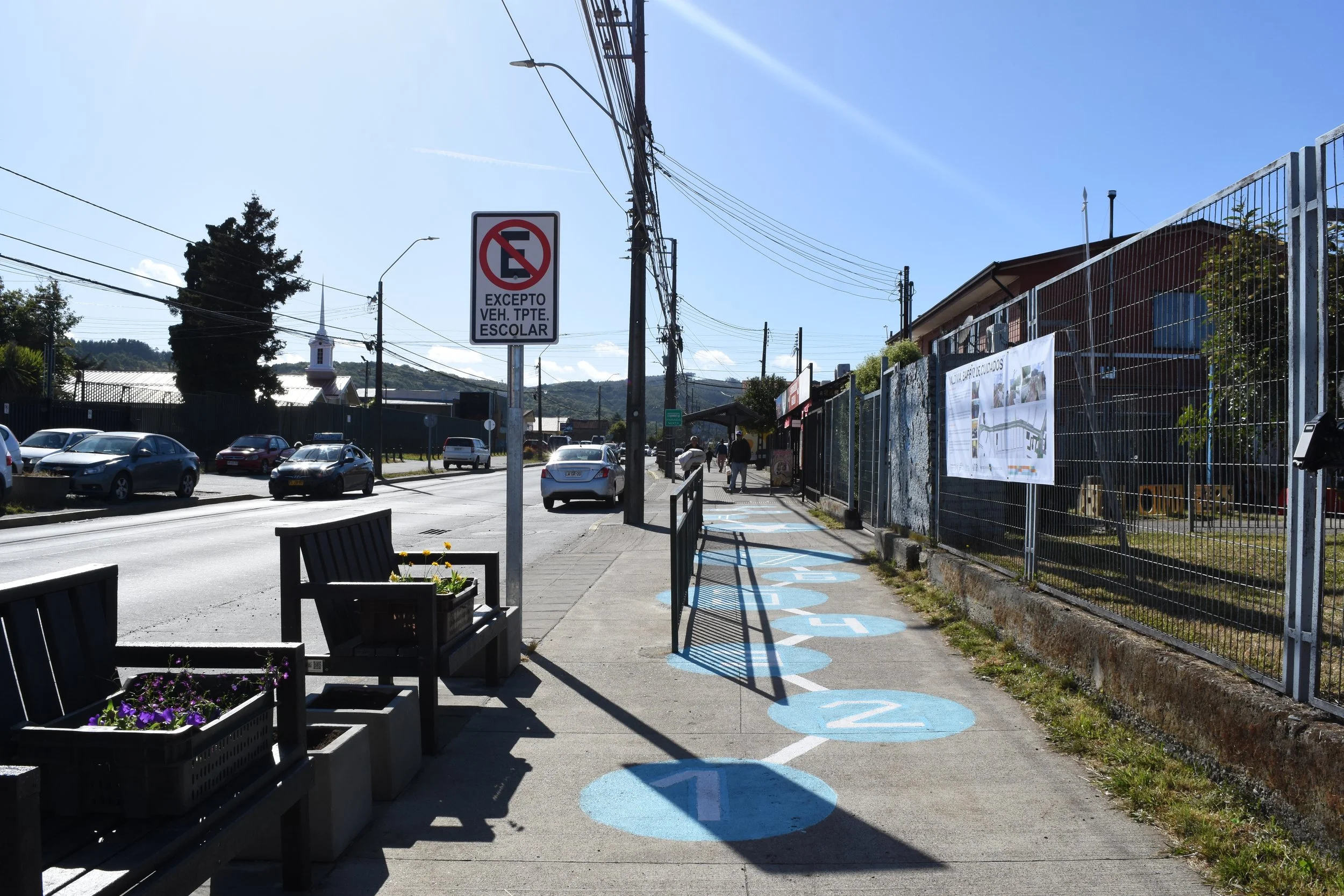
Promote healthier and safer early childhood development by transforming vehicle-centric streets into care neighborhoods.
Protect pedestrian spaces from heavy traffic in zones with a high concentration of schools.
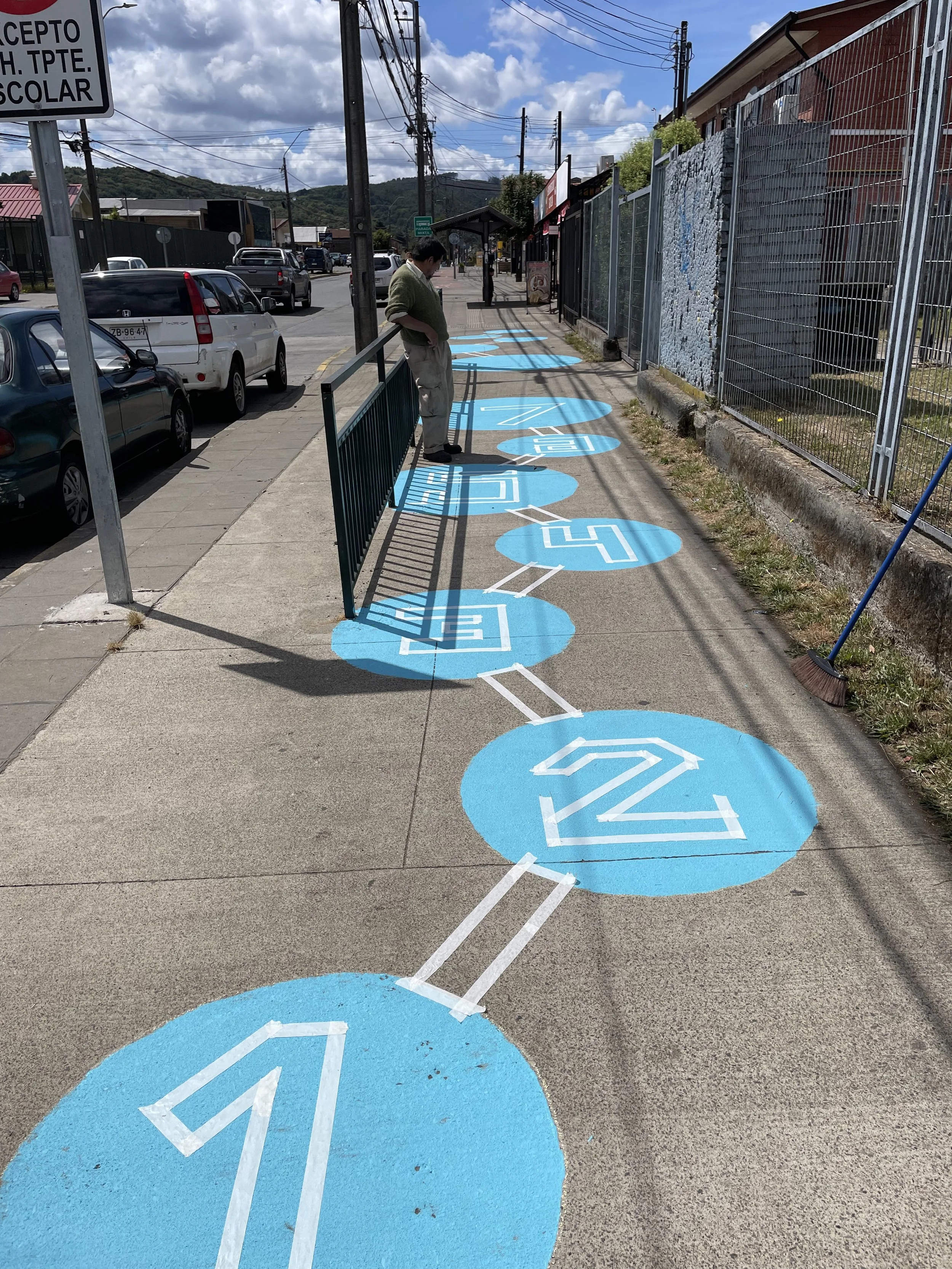
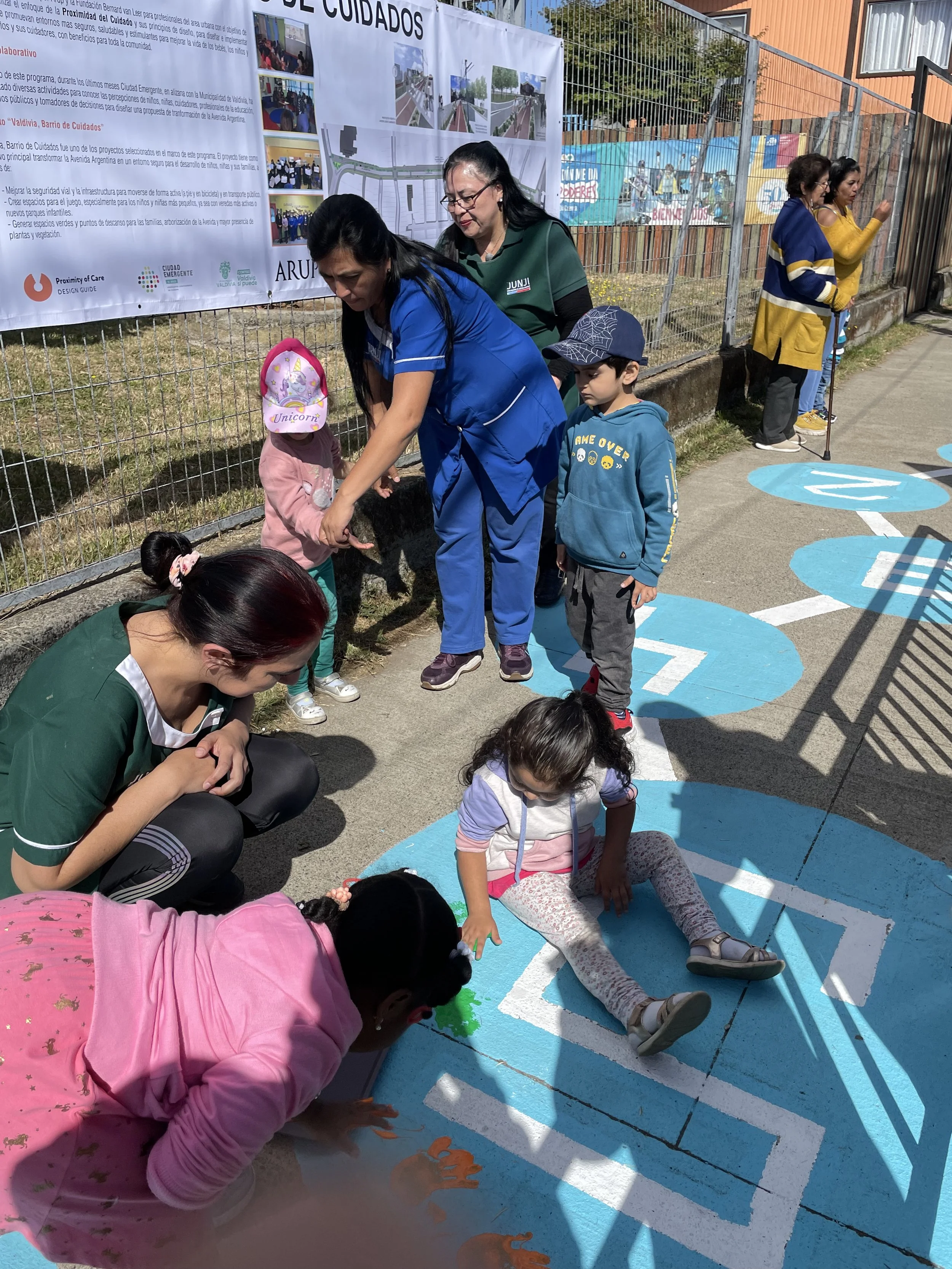
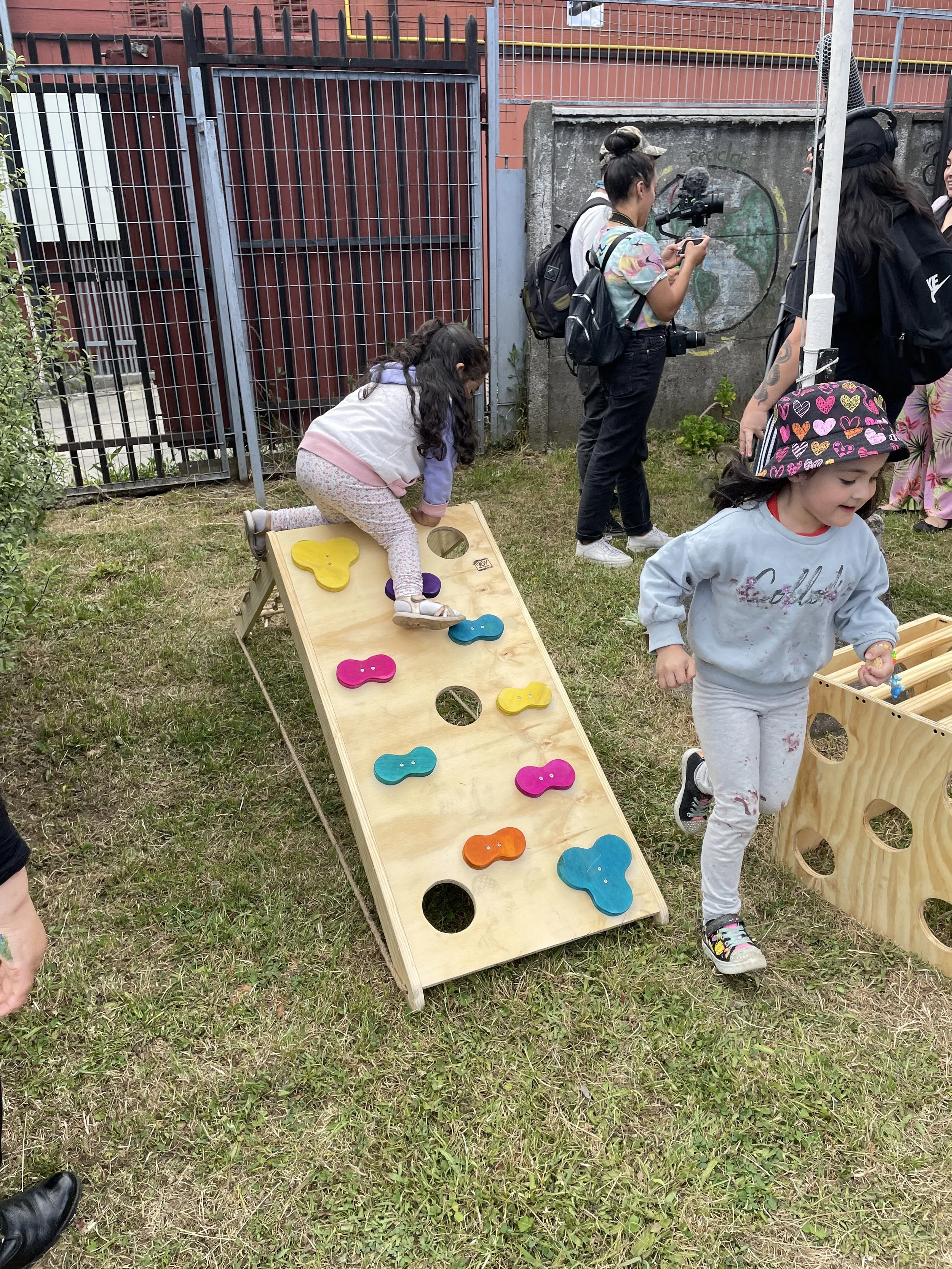
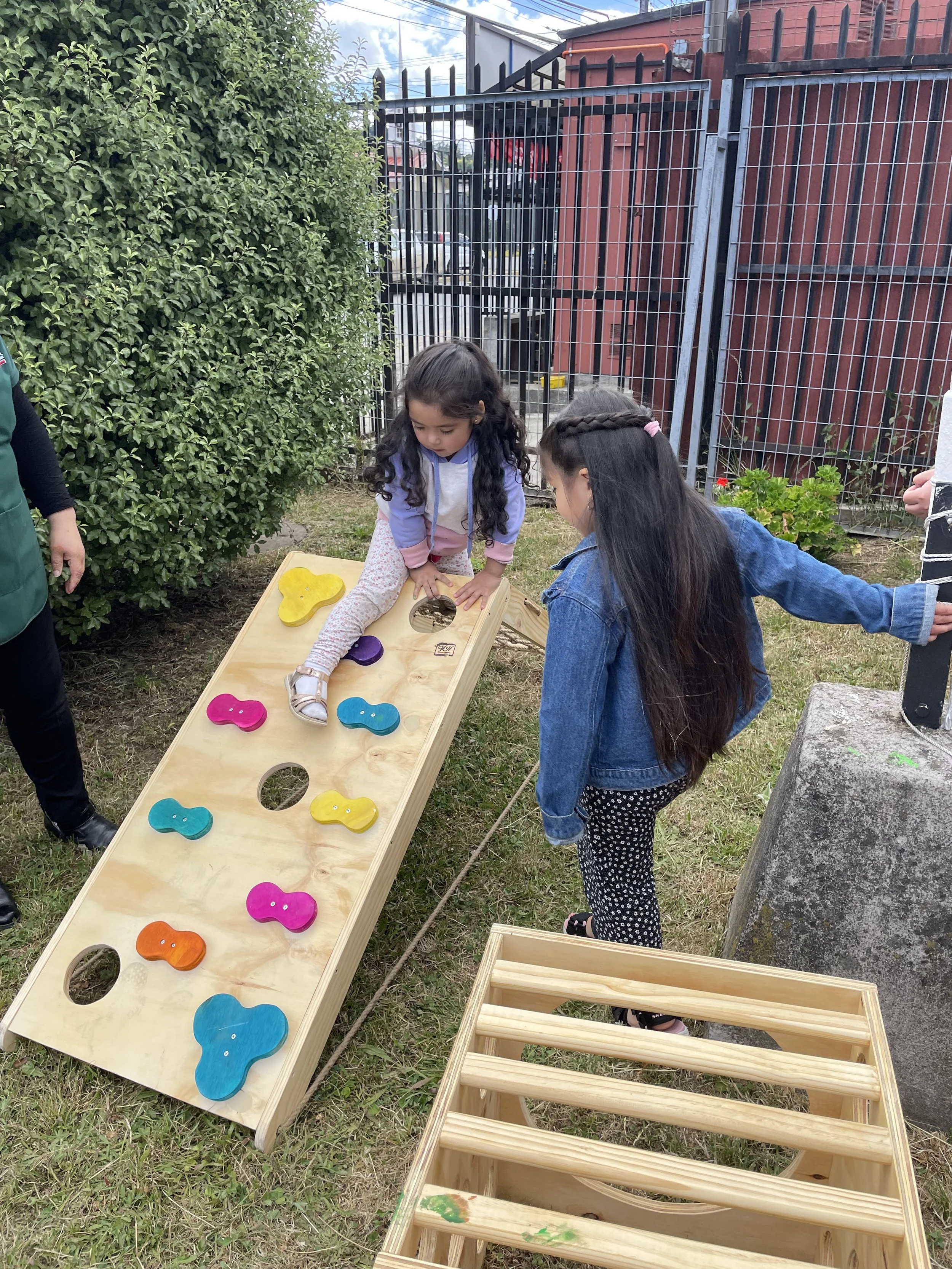
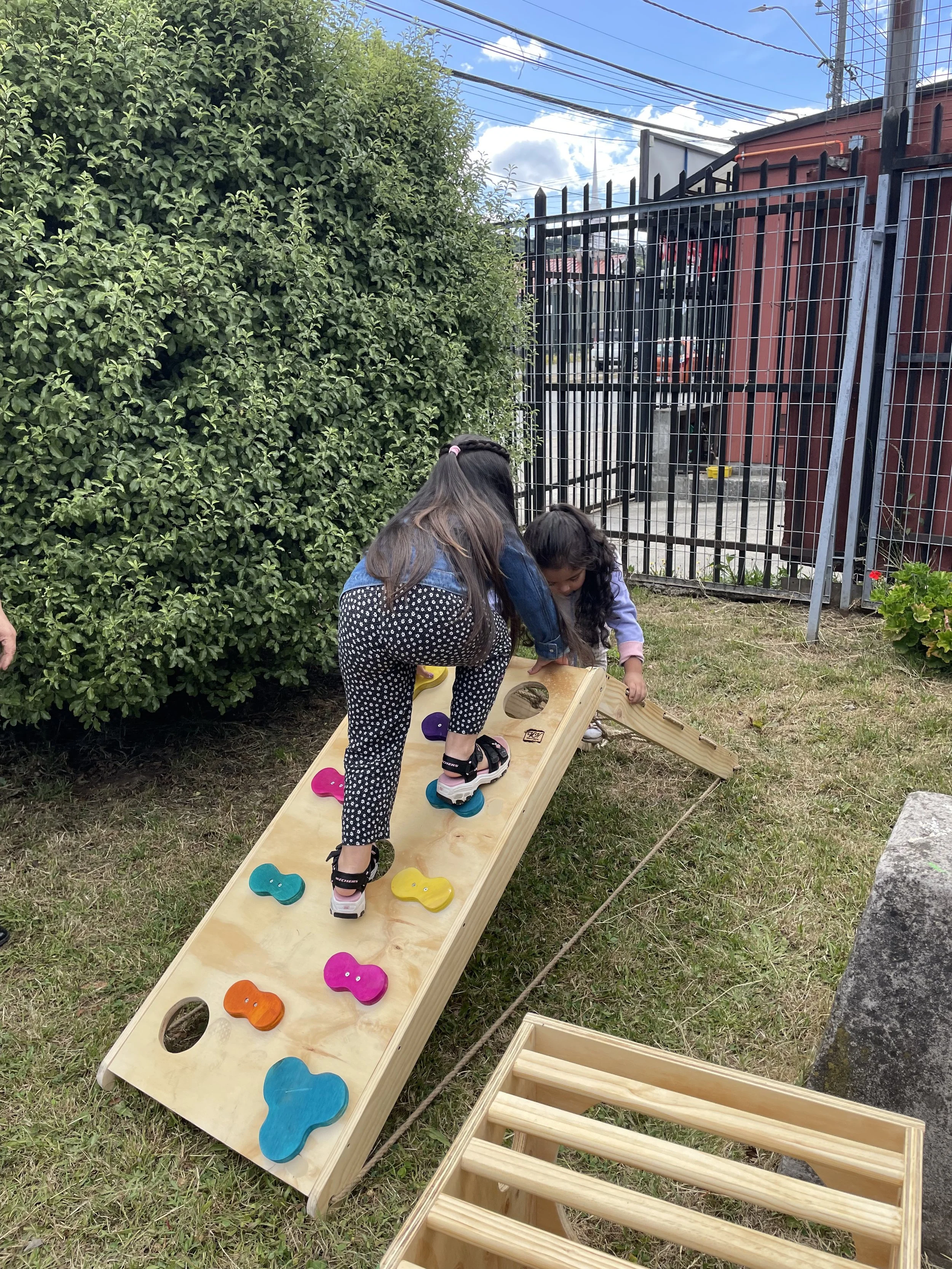
Create new play and rest areas specifically designed for young children and their caregivers.
Generate an evaluation baseline so local governments can measure how child-friendly their neighborhoods truly are.
Methodology
The project applies the Proximity of Care (PoC) methodology, focusing on Avenida Argentina in Valdivia through:
Child-Centered Diagnosis: Identifying critical areas where the high presence of schools and kindergartens contrasts with the lack of safe spaces for movement.
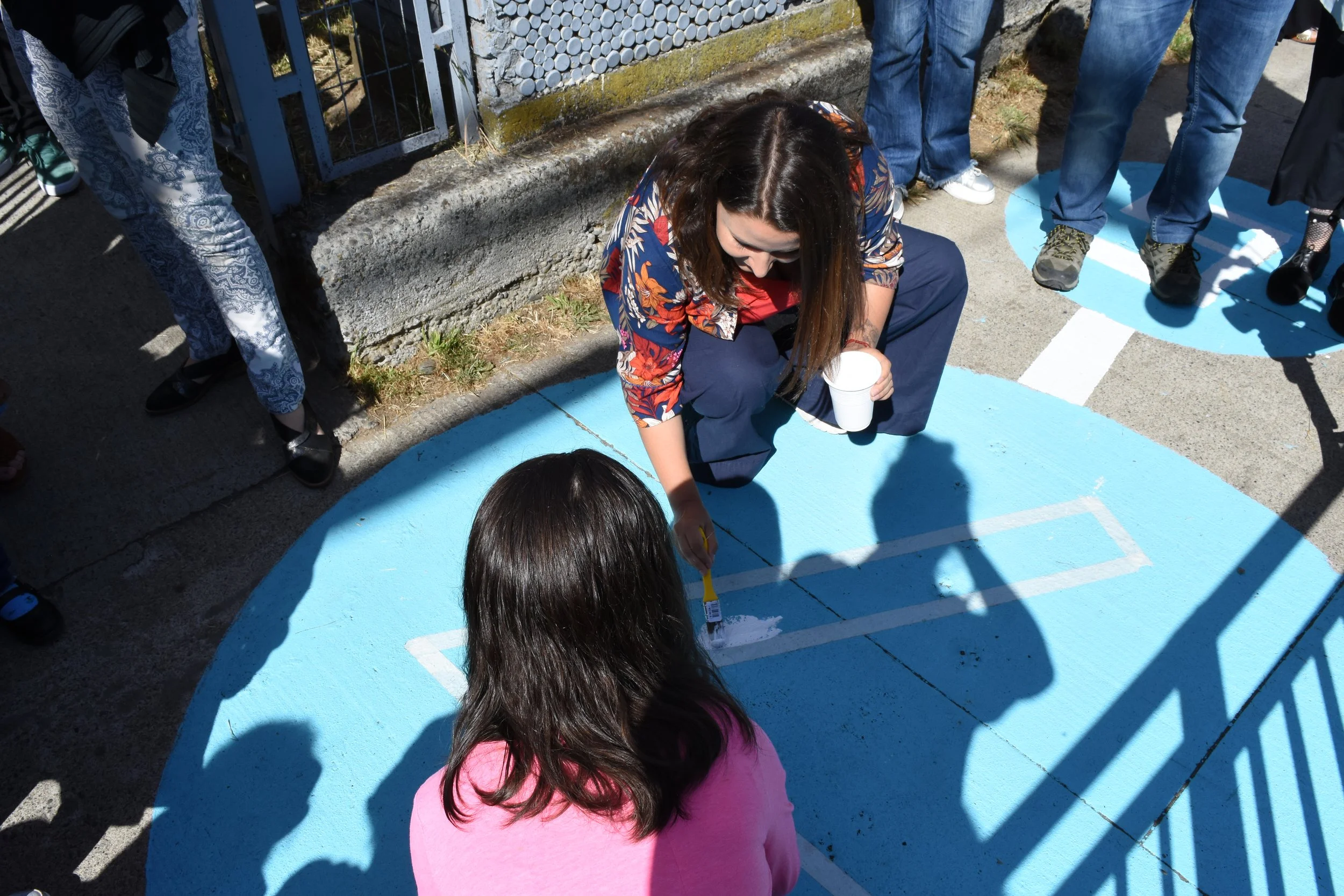
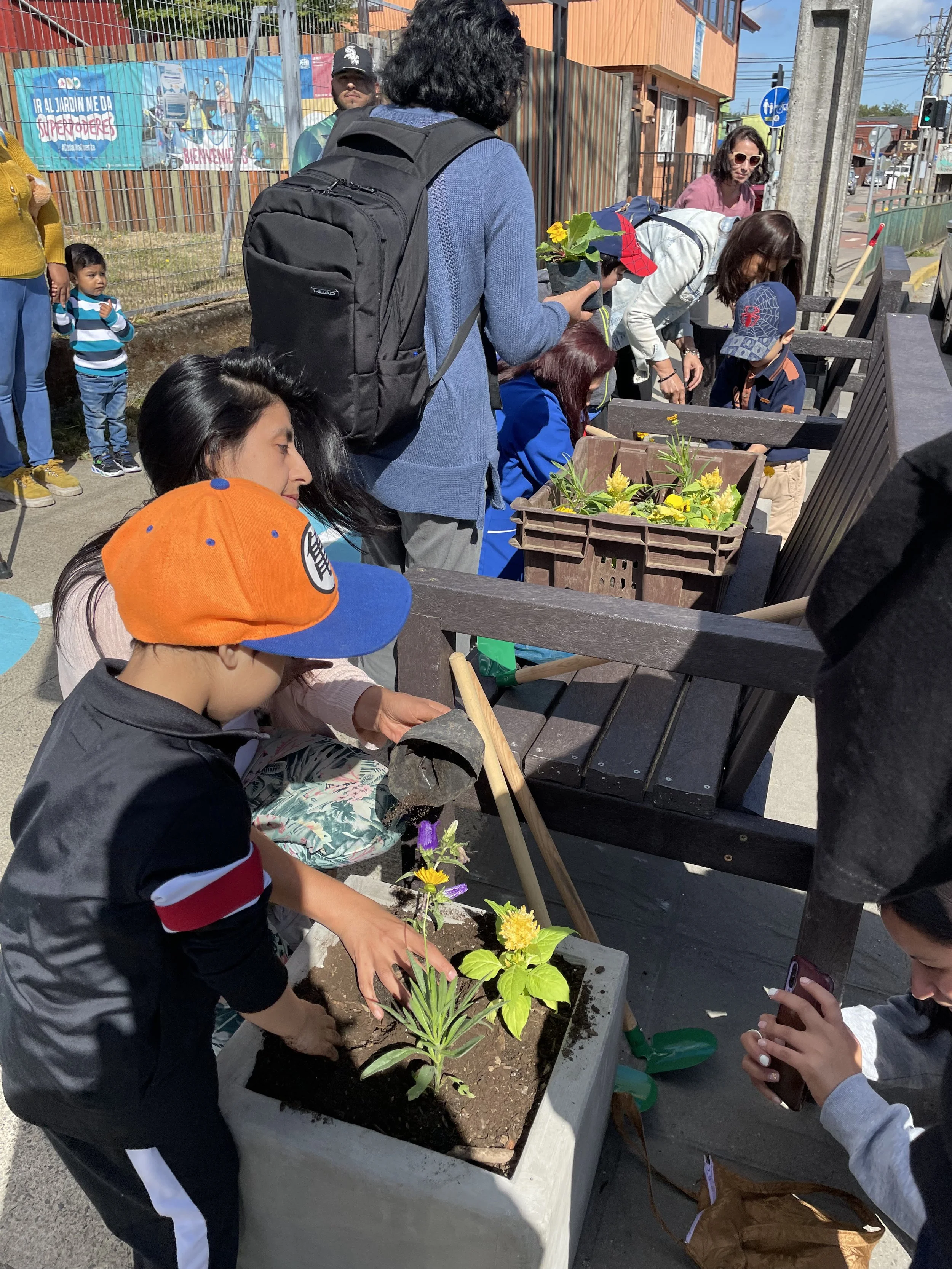
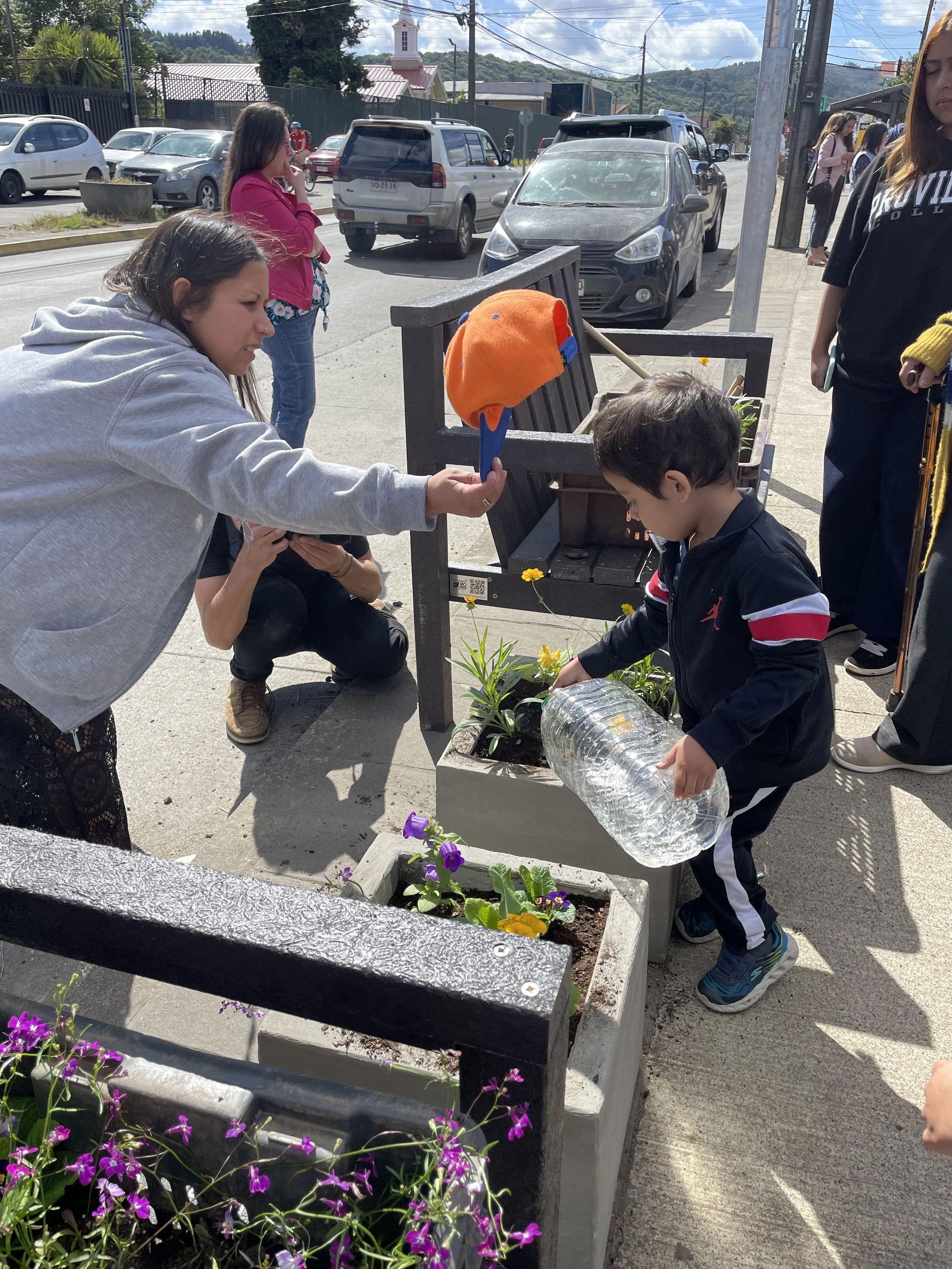
Multi-stakeholder Participation: Between November 2023 and January 2024, workshops and activities were held to involve parents, caregivers, and children in the vision of the built environment.
Stimulating Design: Planning interventions that transform "grey space" into a safe, healthy, and visually stimulating environment for young children.
Advocacy Management: Developing a refined technical proposal to seek public and private funding for definitive implementation.
Client / Partners
International Framework: Bernard van Leer Foundation (Urban95) and ARUP.
Execution: Ciudad Emergente.
Local Context: School and neighborhood community of Avenida Argentina, Valdivia.
Results & Impact
Local Perspective Shift: The project successfully led caregivers and parents to re-evaluate their relationship with the city, understanding that the built environment is a determining factor in child development.
Diagnostic Tool: The PoC methodology was validated as an excellent self-assessment tool for municipalities, allowing them to prioritize investments in inclusive infrastructure.
City Model: It established the precedent that "if the city works for the youngest children, it works for everyone," achieving community consensus on the need to calm traffic on school avenues.
Roadmap: The participatory phase culminated in a solid technical project, ready for execution and replicability in other areas of the Los Ríos region.
Conclusions
Care Neighborhoods Valdivia goes beyond physical improvement; it proposes a new way of conceiving cities. By using the Proximity of Care methodology, Ciudad Emergente demonstrates that it is possible to transform hostile infrastructure into protective environments. The great lesson is that urban planning must focus on the most vulnerable citizens—young children—to generate systemic improvements that raise the quality of life for the entire urban population.