Time to Play
Reclamation of vacant lots through sports infrastructure and community activation.
Place
Antofagasta, Chile
Year
2014
Objectives
To reclaim abandoned and deteriorated neighborhood spaces, transforming them into safe places for community gathering.
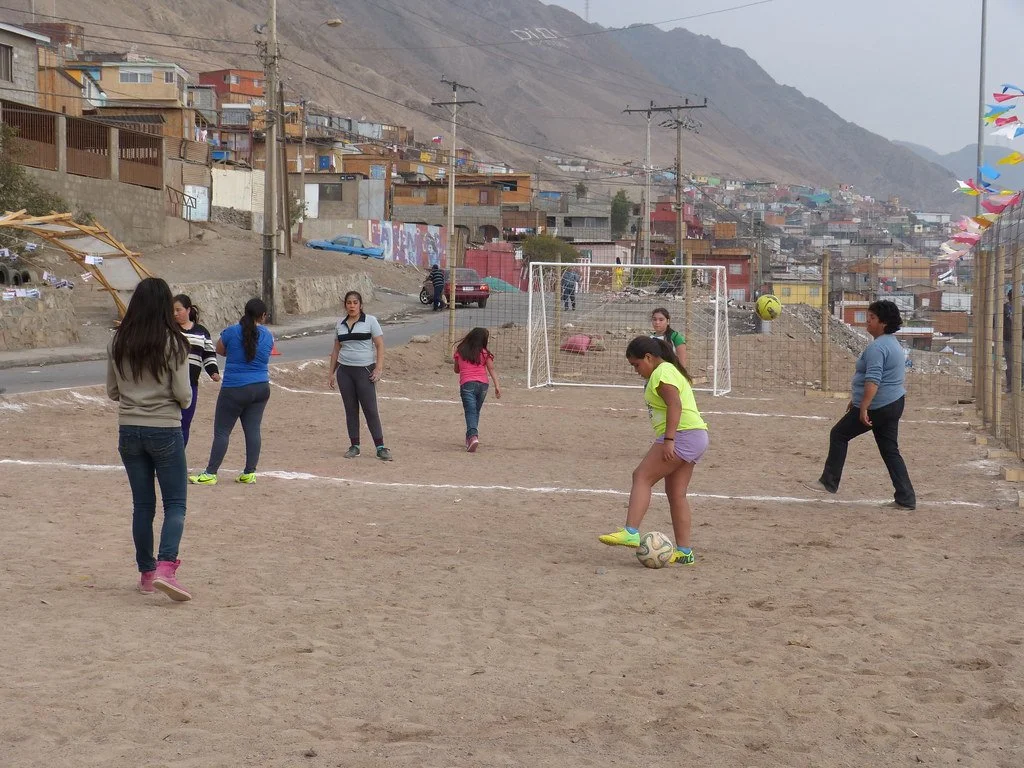
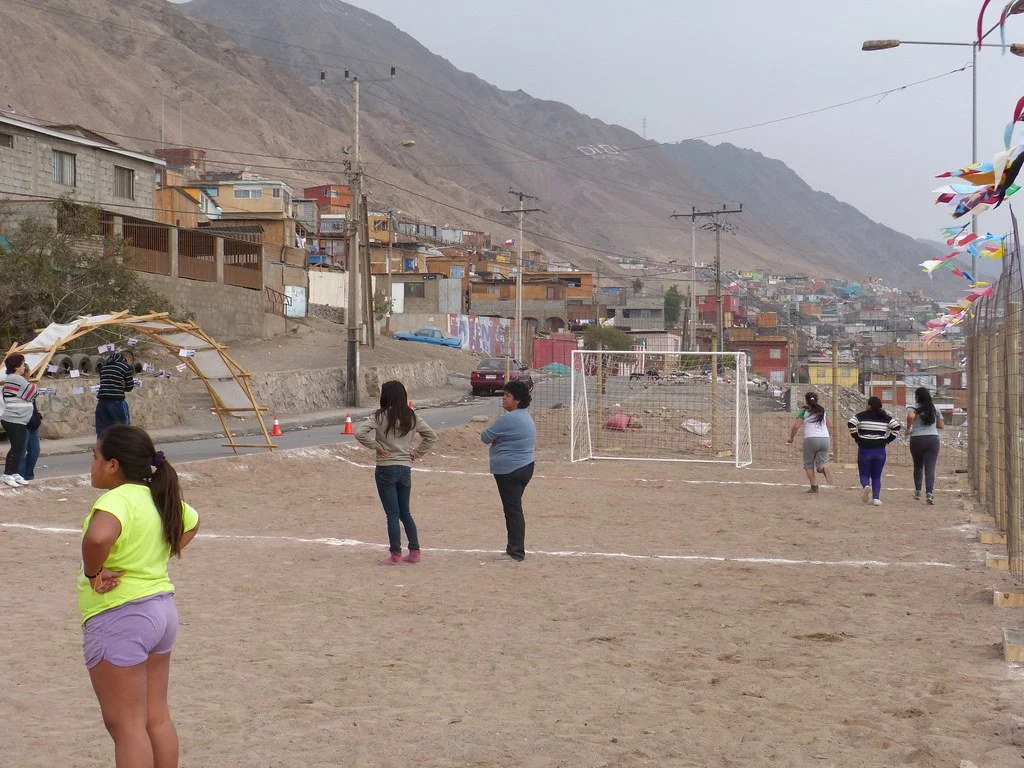
To enable protected sports infrastructure on sloped terrain, improving playing conditions for children and youth.
To foster a cultural shift based on cleanliness, connectivity, and the residents' sense of belonging to their environment.
To institutionalize the use of public space through partnerships that promote ongoing social and athletic training.
Methodology
The project was executed following a logic of co-production with the sector's inhabitants:
Participatory Identification: Selection of the vacant lot on Alfonso Meléndez Street based on suggestions from neighborhood leaders and pre-existing use by local children.
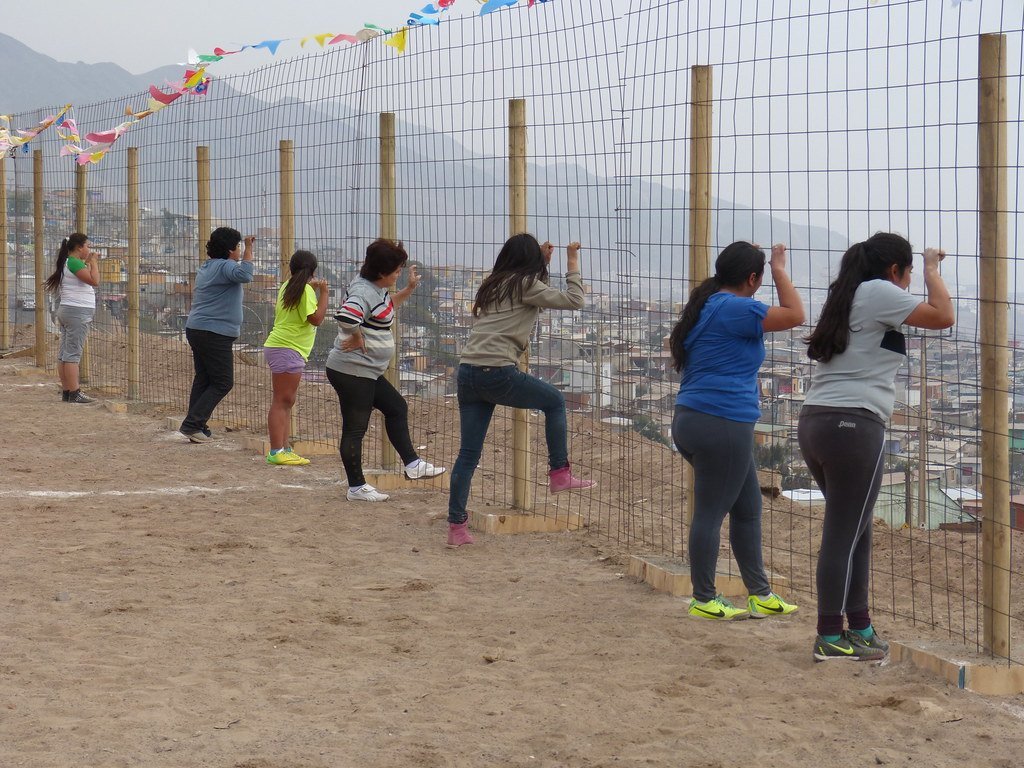
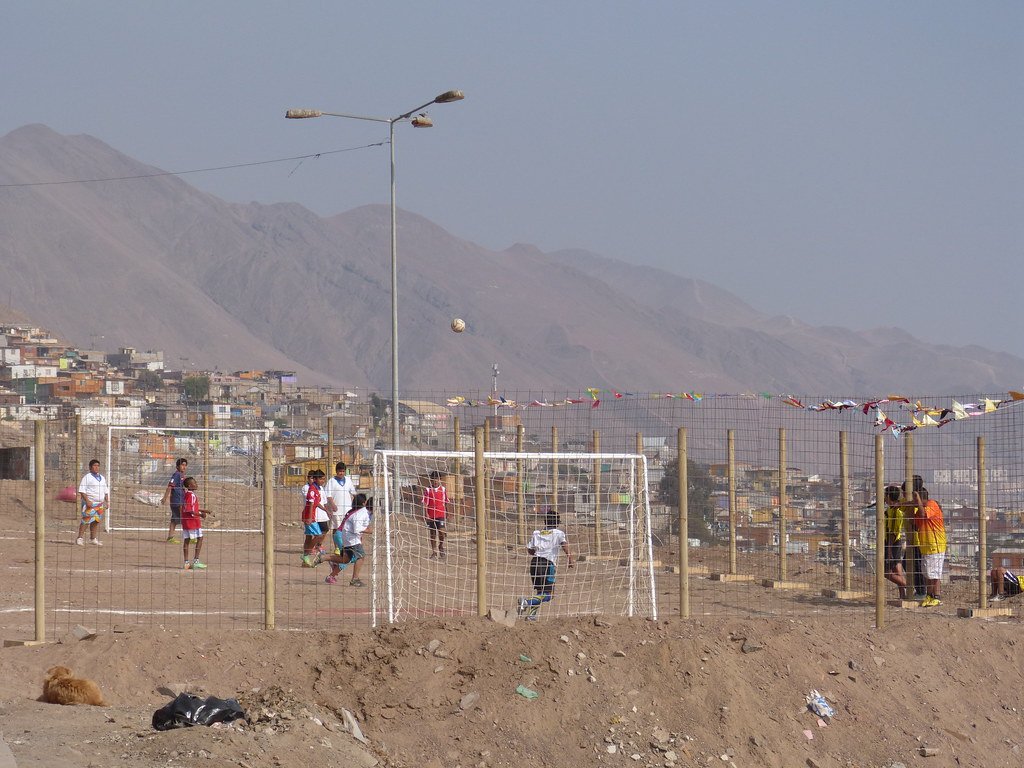
Adaptive Technical Solution: Installation of a perimeter protection net specifically designed to prevent balls from rolling down the slope, guaranteeing safe and continuous play.
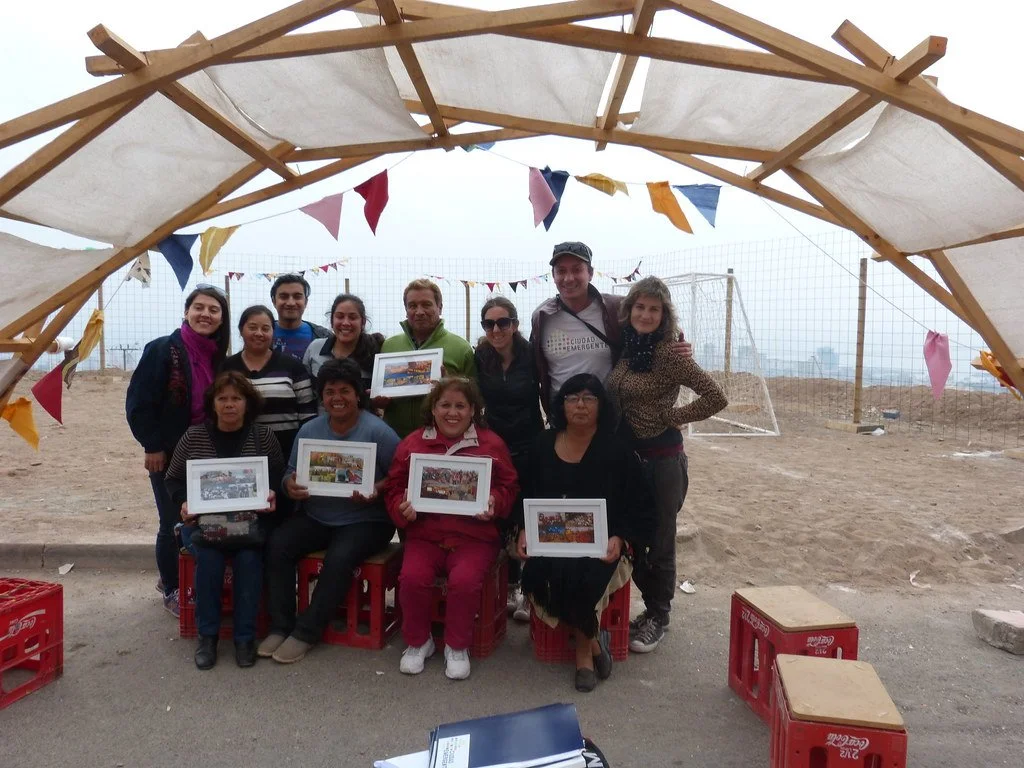
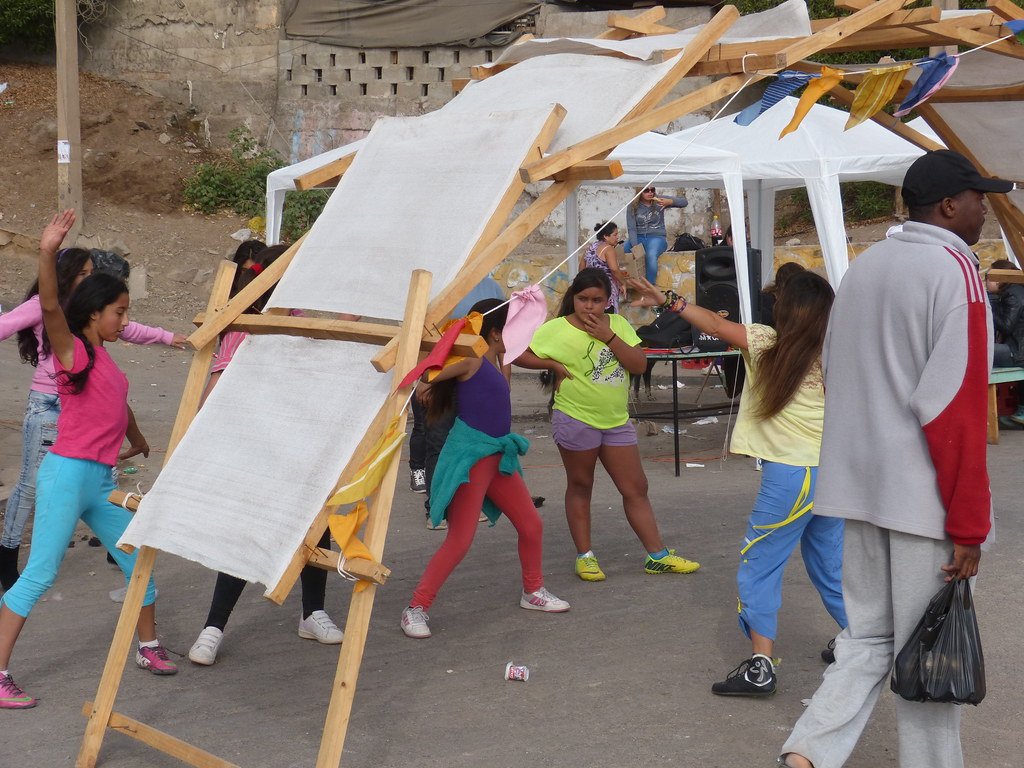
Provision of Tactical Furniture: Implementation of light, modular urban furniture to diversify space use (recreational, cultural, and social) beyond sports.
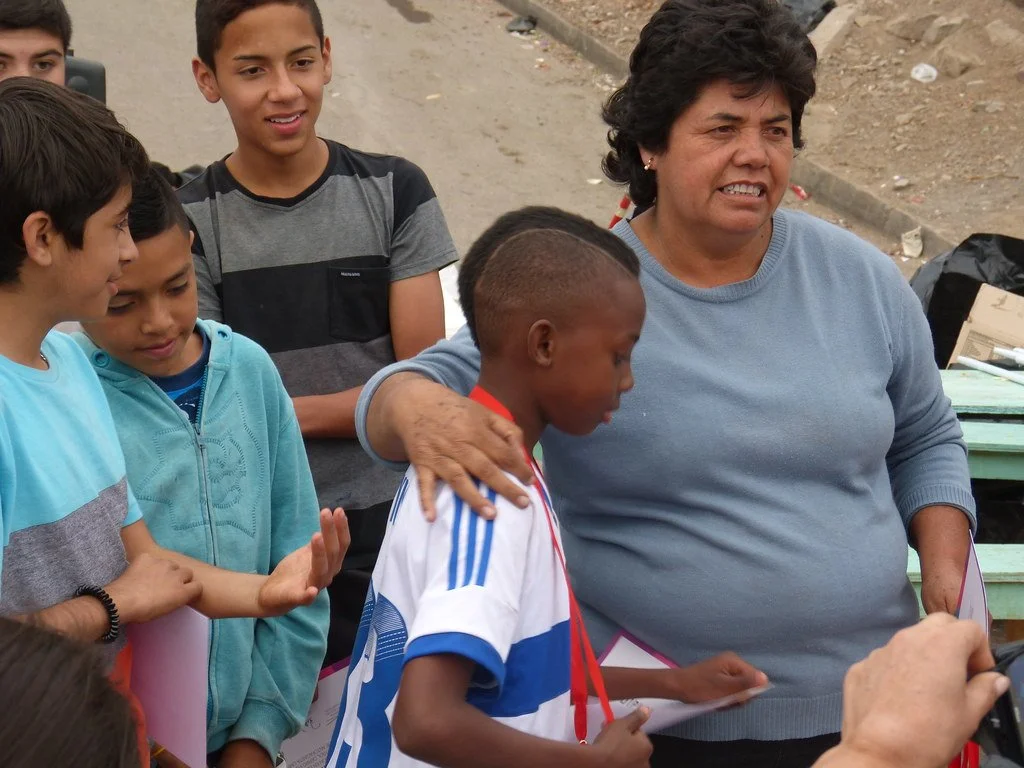
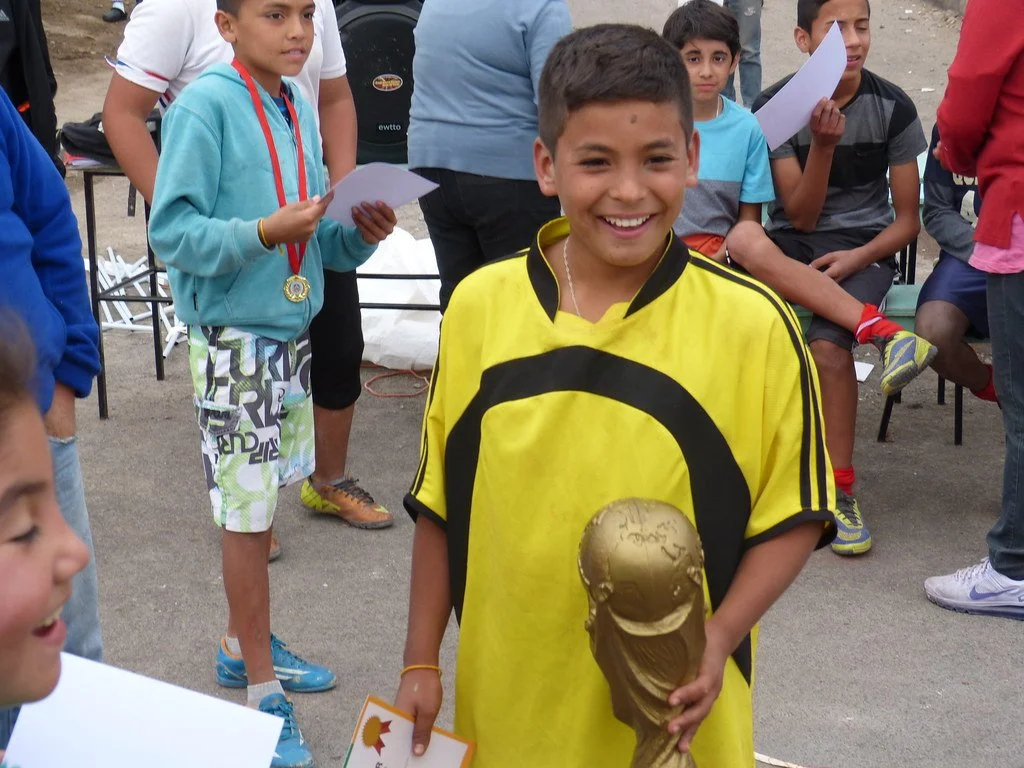
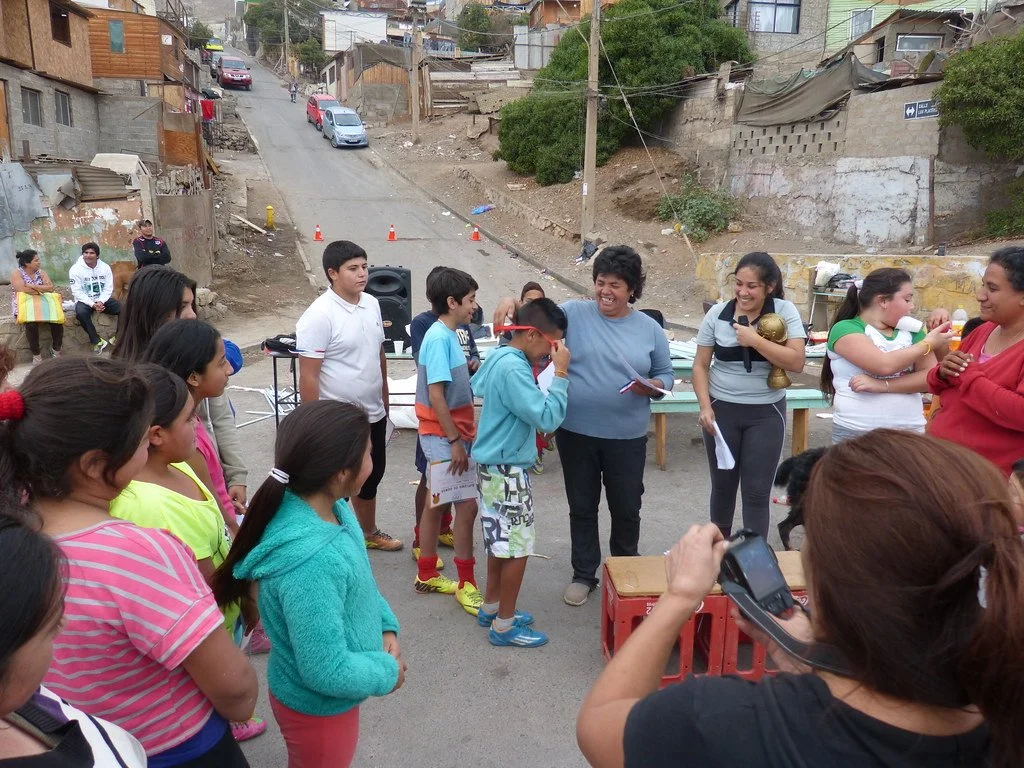
Inauguration Through Action: Activation of the space with a community-organized soccer tournament, consolidating the name chosen by the residents: "Cerro Porteño Court."
Clients / Partners
Client: CREO Antofagasta.
Strategic Allies: René Schneider Sur Neighborhood Council and Club de Deportes Antofagasta (CDA).
Execution: Ciudad Emergente.
Results & Impact
Creation of a Soccer School: The project enabled an unprecedented partnership where CDA professionals provide soccer training every Sunday in the neighborhood.
Urban Land Reclamation: Transformation of a site once characterized by litter and neglect into a hub for physical activity and community life.
Safety and Comfort: The installation of the protection net eliminated environmental friction (the slope), allowing sports to be practiced without interruption.
Strengthening Local Governance: Empowerment of neighborhood leaders in the management and maintenance of their own sports infrastructure.
Conclusions
Time to Play demonstrates that sometimes the most transformative infrastructure is not the most expensive, but the most timely. By installing a simple protection net on an Antofagasta hillside, Ciudad Emergente did more than build a court; it enabled a space for discipline, health, and dreams for hundreds of children. This project validates that tactical urbanism can be the spark that ignites long-term alliances between professional sports and neighborhood life, proving that playing is the most powerful way to inhabit and care for the city.