Quilicura Clean & Safe
Participatory transformation of illegal dumpsites into the Quilicura Environmental Education Center.
Place
Quilicura, Chile
Year
2024
Objectives
To eradicate micro-dumps and informal landfills, transforming them into clean, safe public spaces of ecosystem value.
To trigger an urban transformation process through an unprecedented alliance between the public sector, private sector, academia, and civil society.
To protect and enhance the value of the local wetland, safeguarding its biodiversity and native plant species.
To design a Master Plan for an Environmental Education Center that is a benchmark in sustainability and citizen participation.
Methodology
Ciudad Emergente led a cycle of incremental transformation based on three strategic stages:
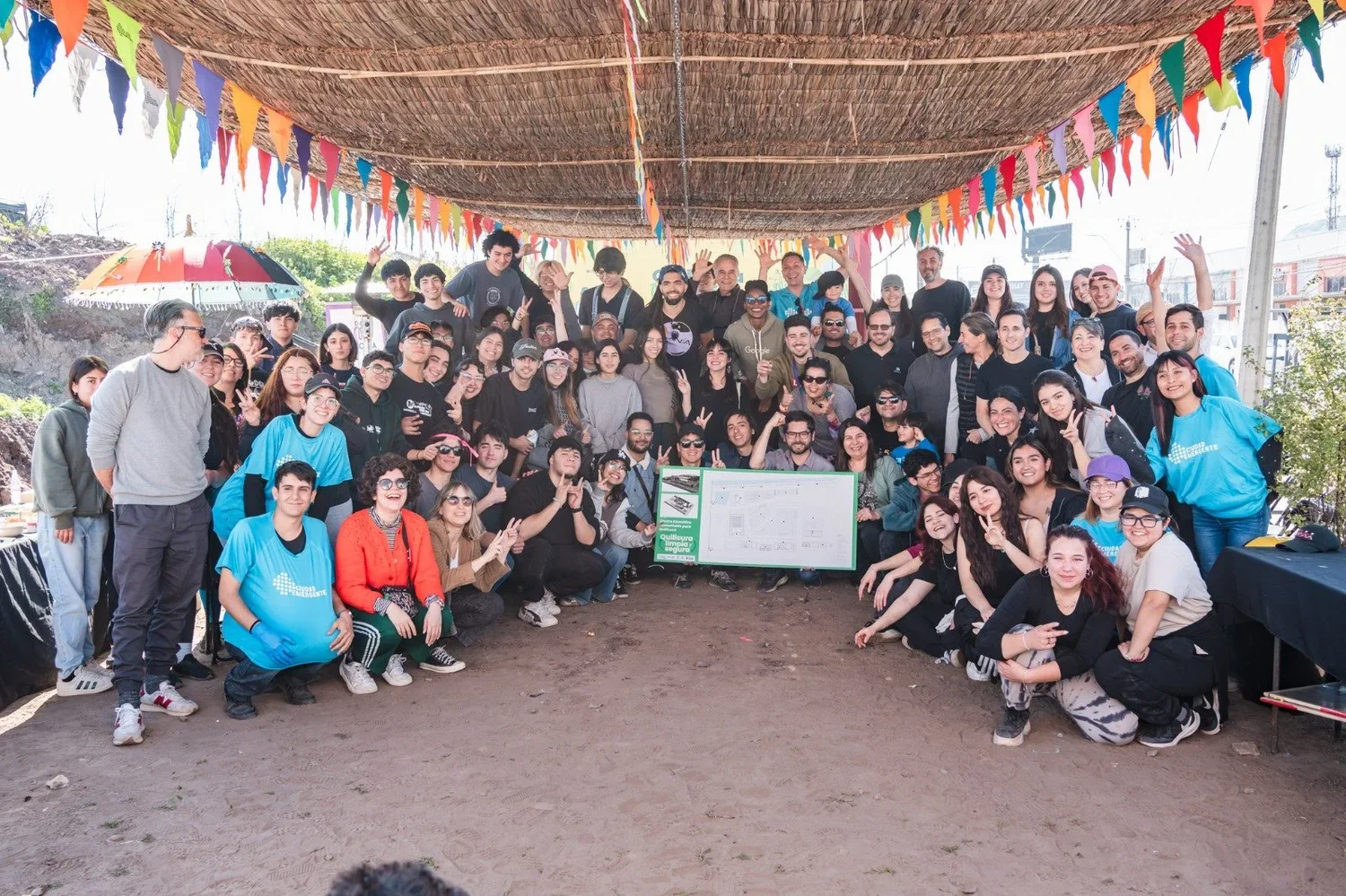
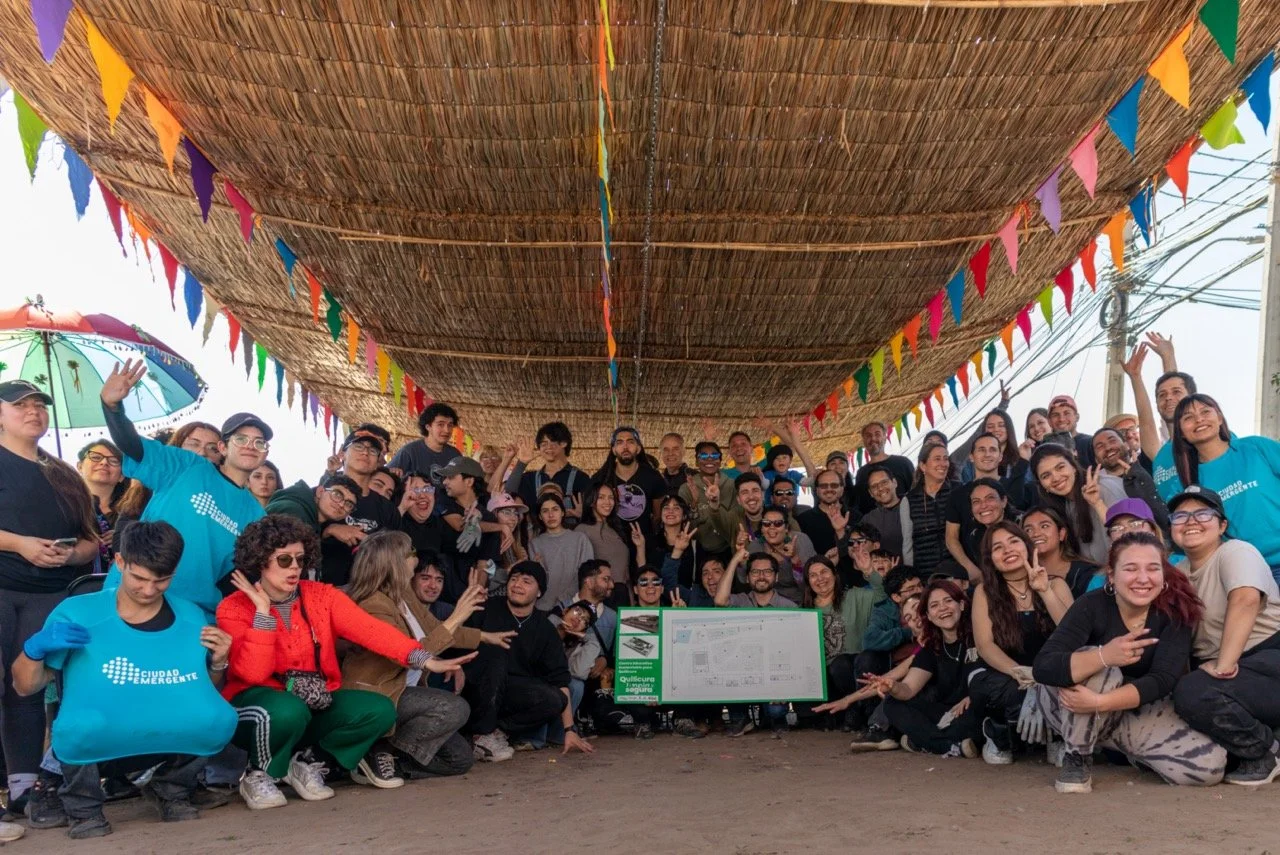
Participatory Cleanups: Direct action with the community and educational establishments for the massive removal of waste, integrating recycling processes and municipal environmental management.
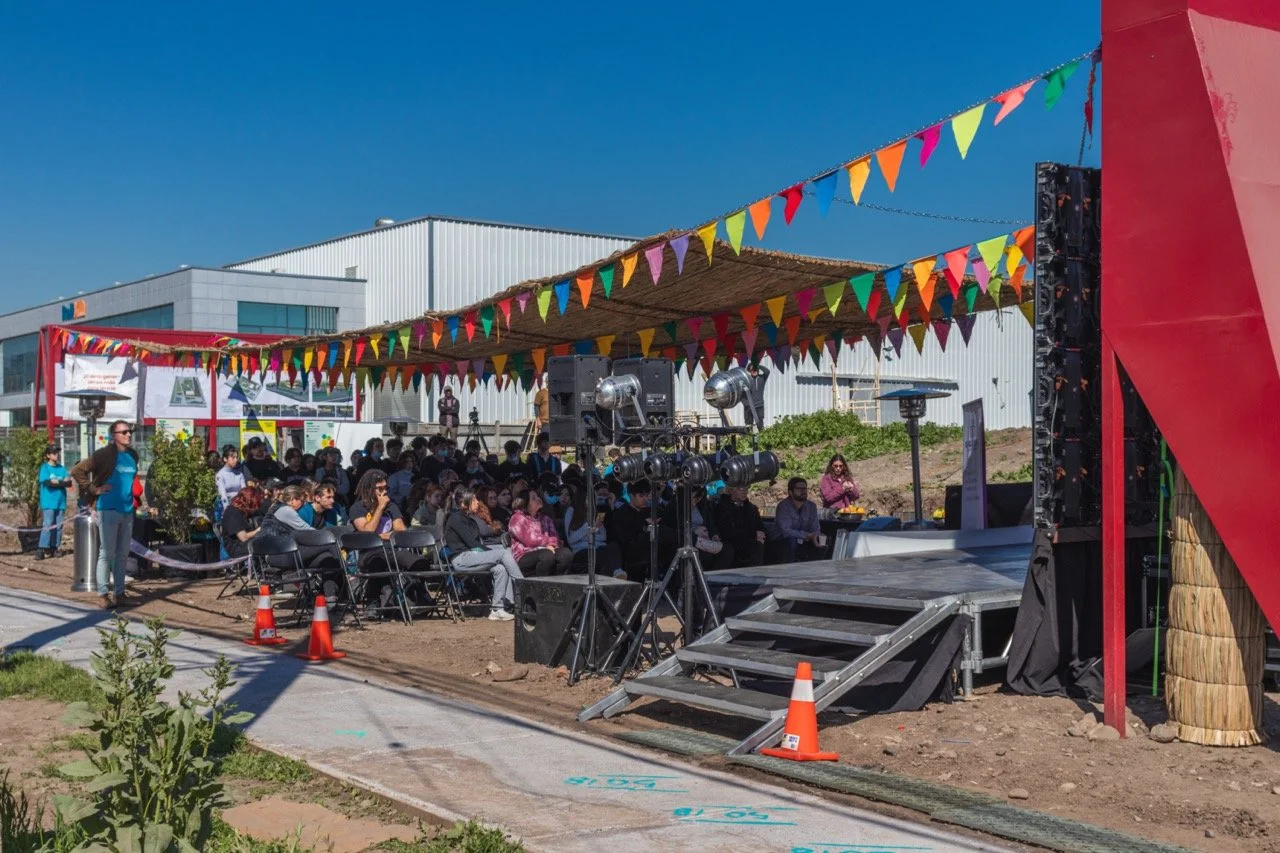
Tactical Activations (Okuplaza): Implementation of real-scale prototypes to encourage appropriation of the place:
Sustainable Infrastructure: Installation of a photocatalytic walkway ($CO_2$ degradation) and shade structures with local totora weavings.
Miyawaki Method Reforestation: Technical planting of 7,350 native trees to create fast-growing forests.
Environmental Innovation Workshops: Sessions on vermiculture, seed bombs, and community dialogues to collect neighborhood dreams and aspirations.
Master Plan Design: Development of a definitive roadmap with a participatory approach, which includes environmental classrooms, community gardens, and renewable energy infrastructure.
Clients/Partners
Strategic Alliance: Ciudad Emergente, Google, and the Municipality of Quilicura.
Collaborator Network: Metropolitan Regional Government, Universidad Finis Terrae, and CINNDA.
Local Governance: Quilicura Environmental Governance Board, multiple socio-environmental organizations, neighborhood councils, and companies of the sector (Oxiquim, Parque Arauco, Icestar).
Results & Impacts
Environmental Sanitation: Removal of 180 tons of trash, achieving the recycling of 25% of the collected waste.
Conservation Milestone: Thanks to the management of the project, the place was declared an Environmental Protection Zone by the authorities.
Social Validation: 93.8% of participants considered that the project had a positive impact on the environment, and 84.2% validated the transformation of the space into a future recreational park.
Large-Scale Planning: Design of a Master Plan with a projected investment of 4.5 million dollars, aligned 100% with the needs raised in the participatory stages.
Conclusions
Quilicura Limpia y Segura demonstrates that tactical urbanism is the most effective tool to convert a sanitary problem into a development opportunity. By involving schoolchildren, neighbors, and companies in the cleaning and design, Ciudad Emergente managed not only to recover the soil but to rebuild community trust. This project is consolidated as a replicable model of participatory urban innovation, where the protection of natural heritage and environmental education are the engines of a more resilient and collaborative city.
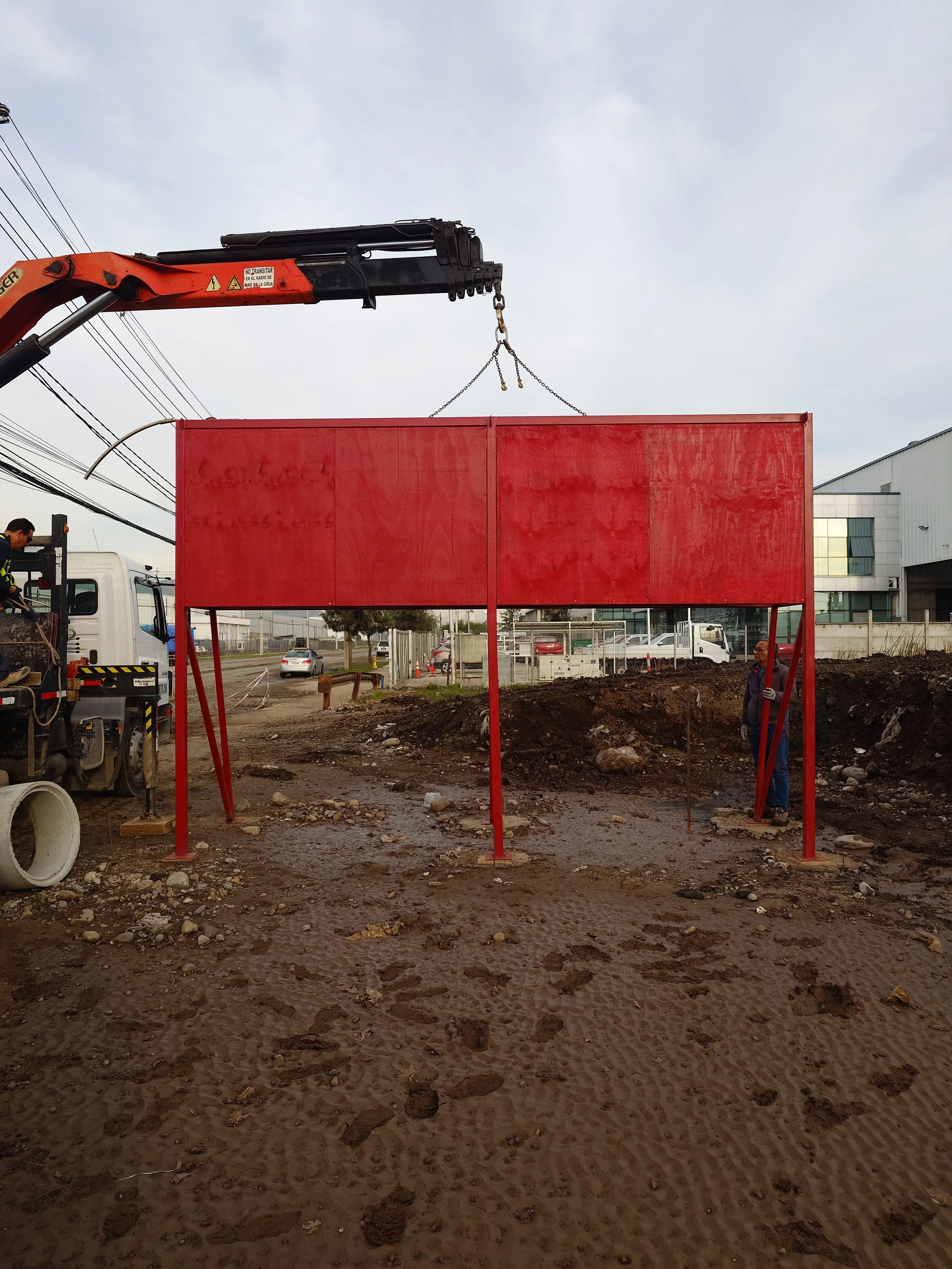
INSTALACIÓN ESTRUCTURAS
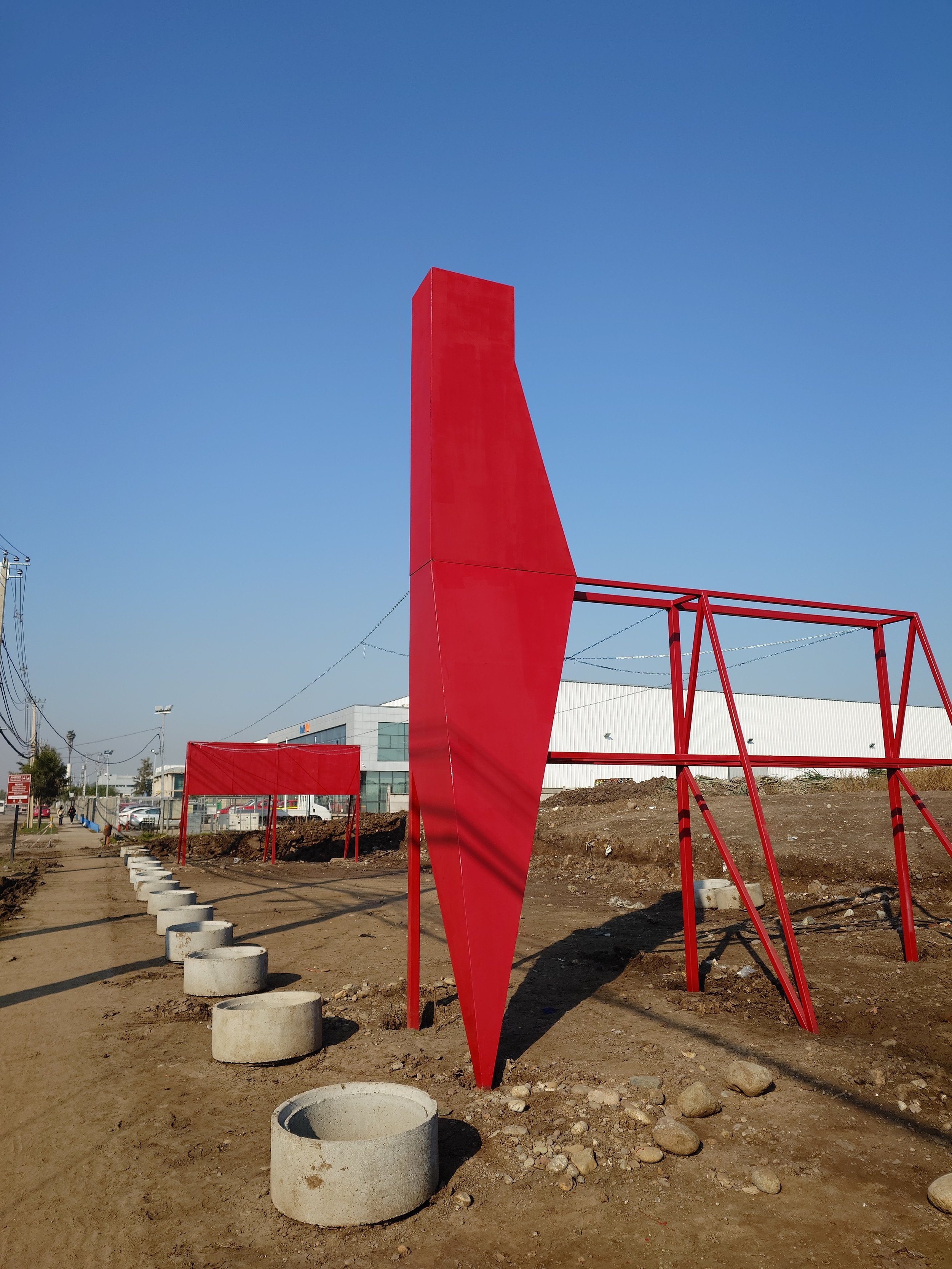
ESTRUCTURAS ROJAS
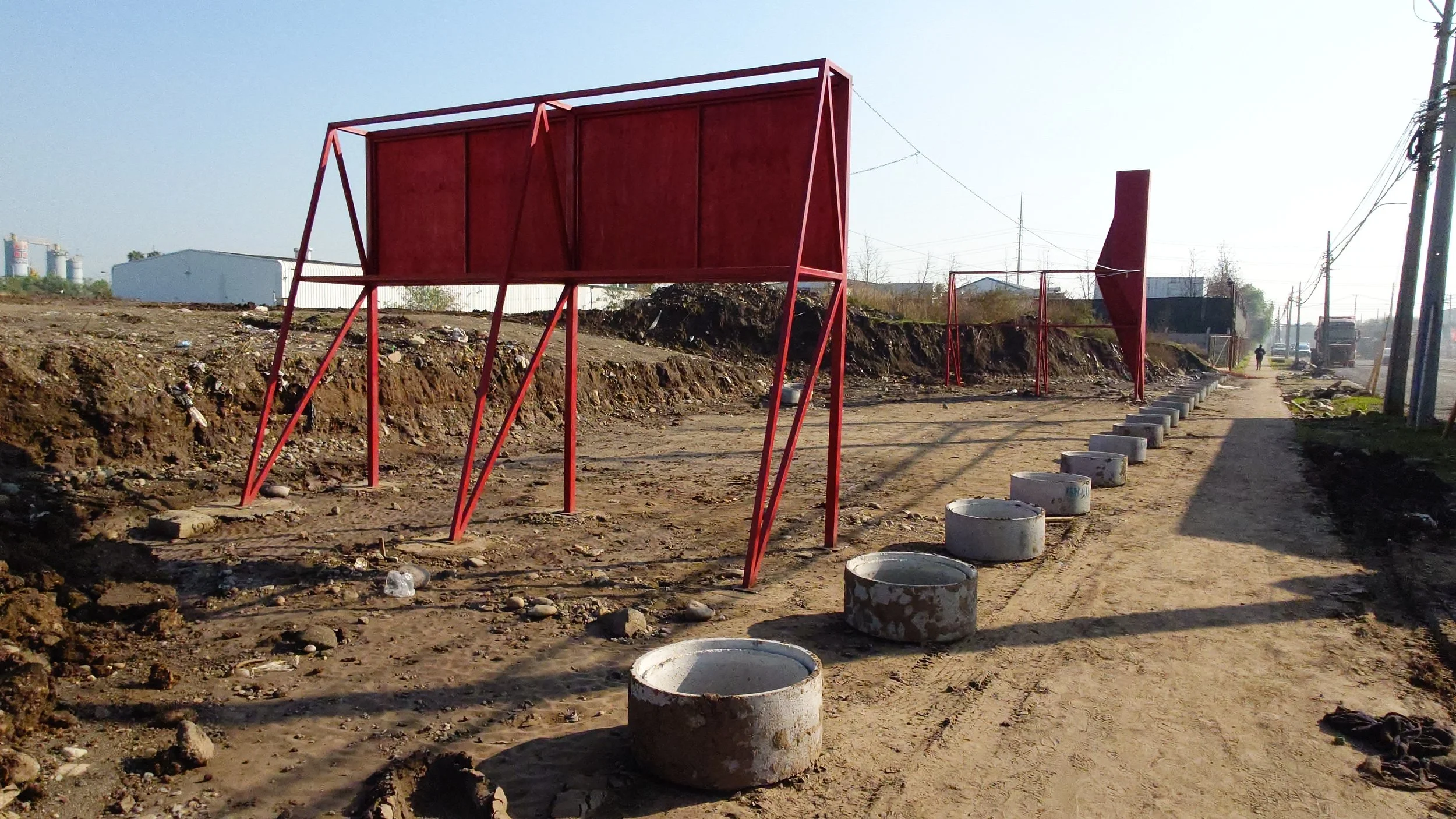
ESTRUCTURAS ROJAS
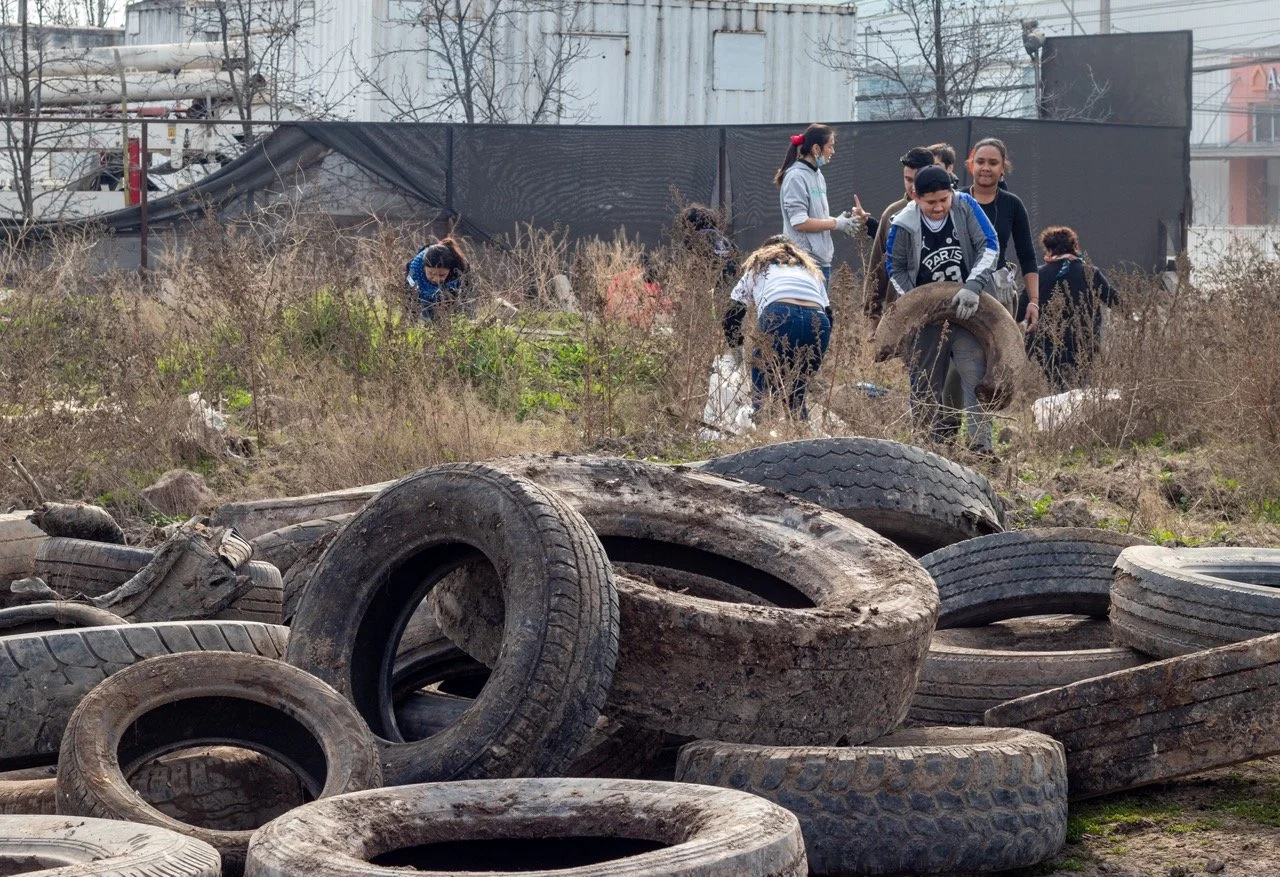
LIMPIEZAS PARTICIPATIVAS
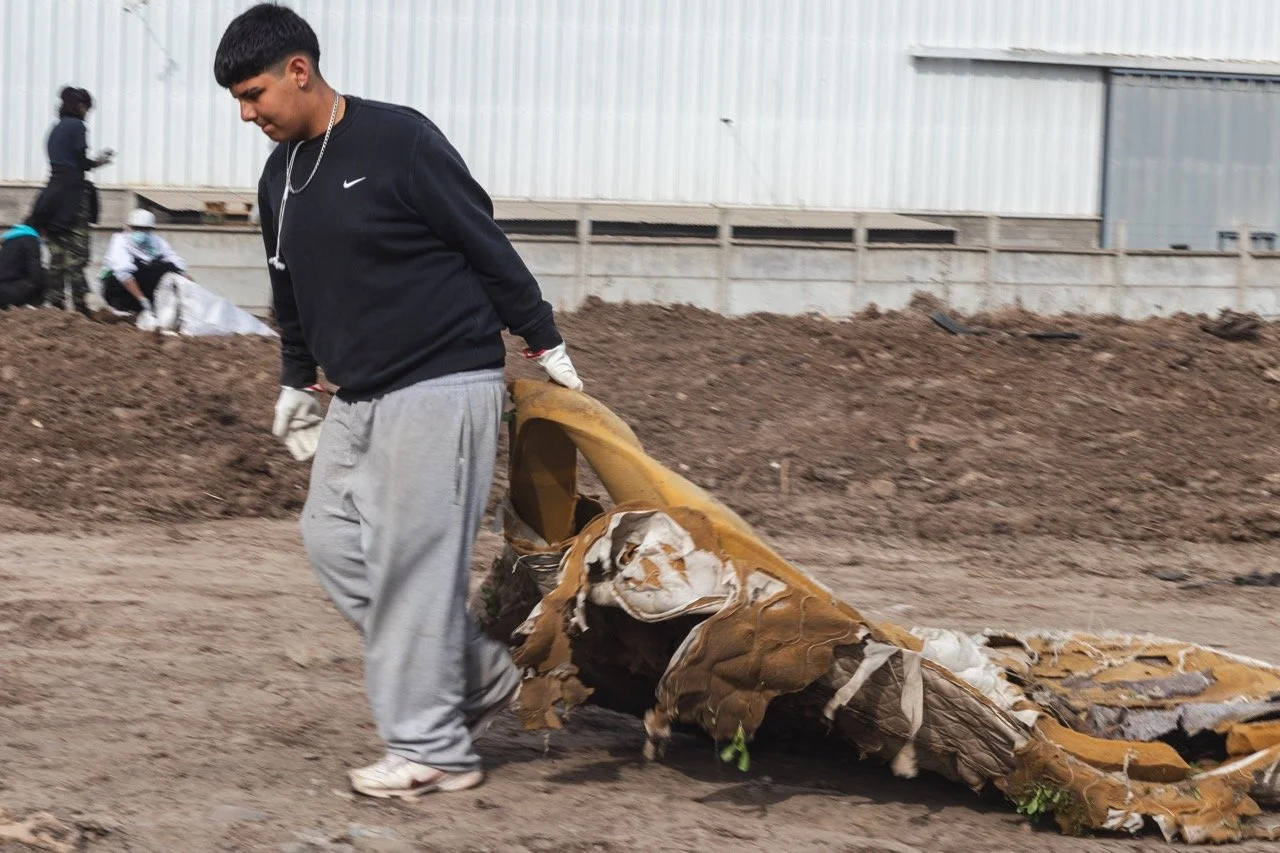
LIMPIEZAS PARTICIPATIVAS
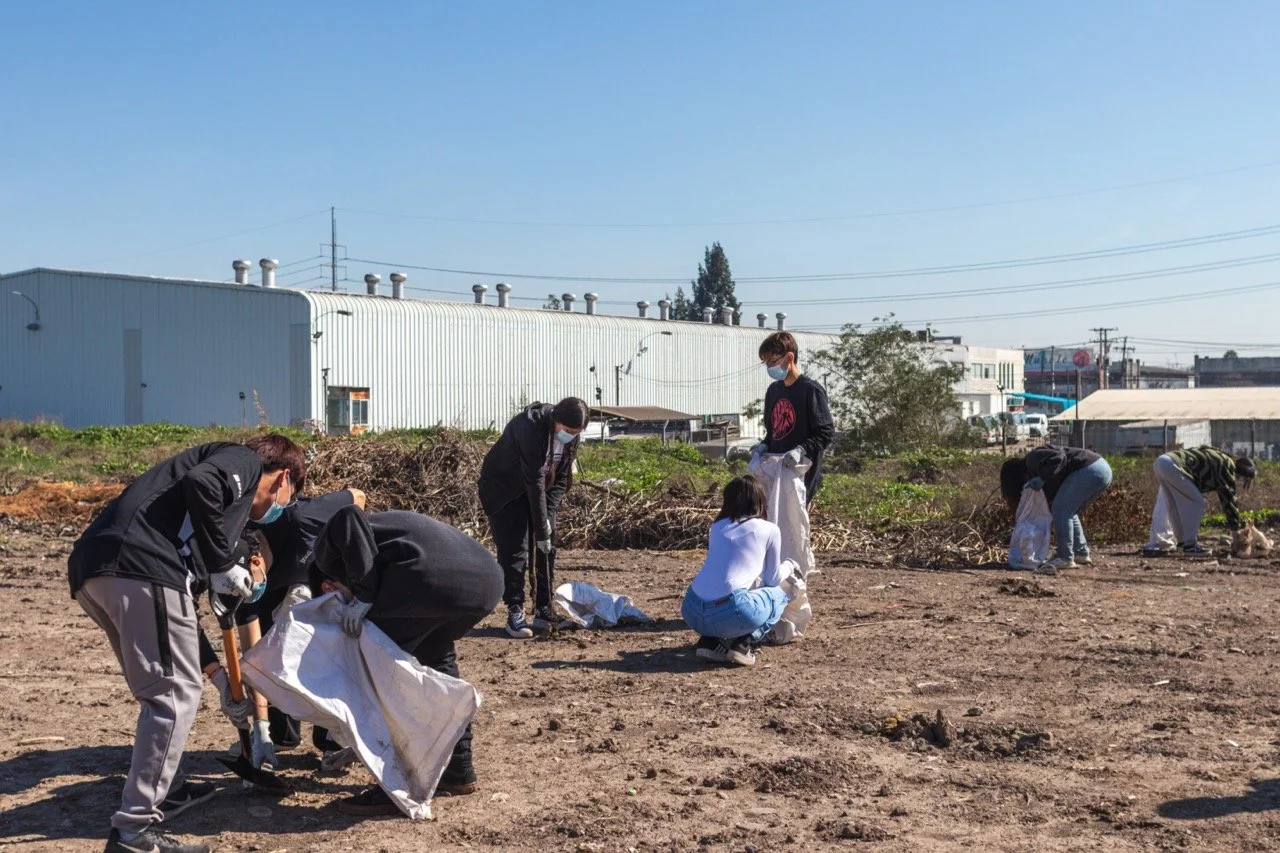
LIMPIEZAS PARTICIPATIVAS
INAUGURACIÓN
INAUGURACIÓN