New Alameda
Social activation and participatory methodologies for the recovery of Santiago's main thoroughfare.
Lugar
Multiple district, Chile
Año
2023 - 2024

Objectives
To design and execute a Citizen Culture strategy to accompany the physical renovation of the Alameda axis, focusing on the appropriation of the people.
To re-signify public space through gathering milestones that transform the perception of insecurity into a sense of belonging.
To gather strategic citizen information to inform decision-making for the comprehensive Nueva Alameda project.
To train social organizations in urban intervention tools to ensure the social sustainability of physical improvements.
Methodology
As Ciudad Emergente, we lead the human dimension of the project by deploying our proprietary methodologies:
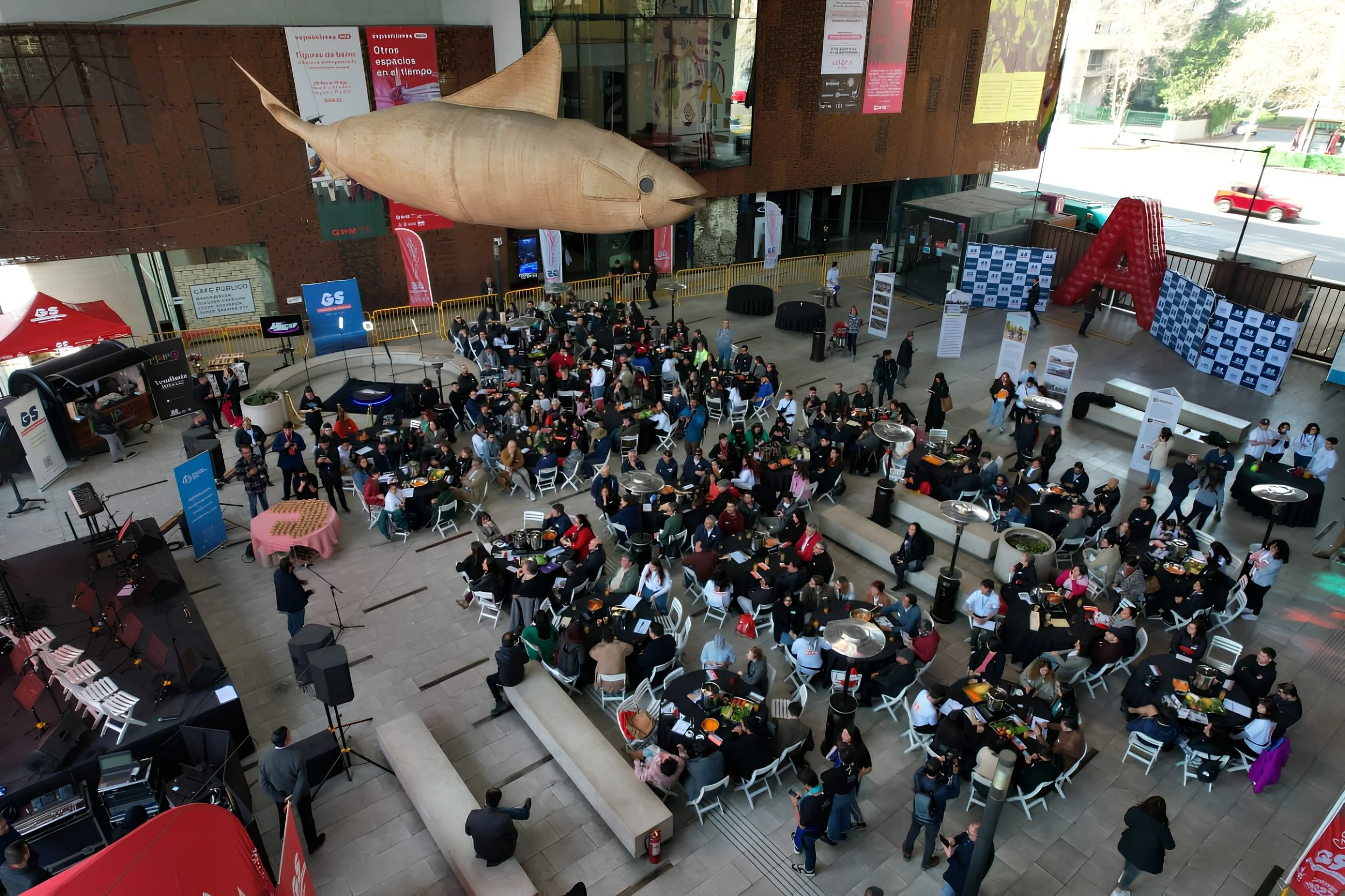
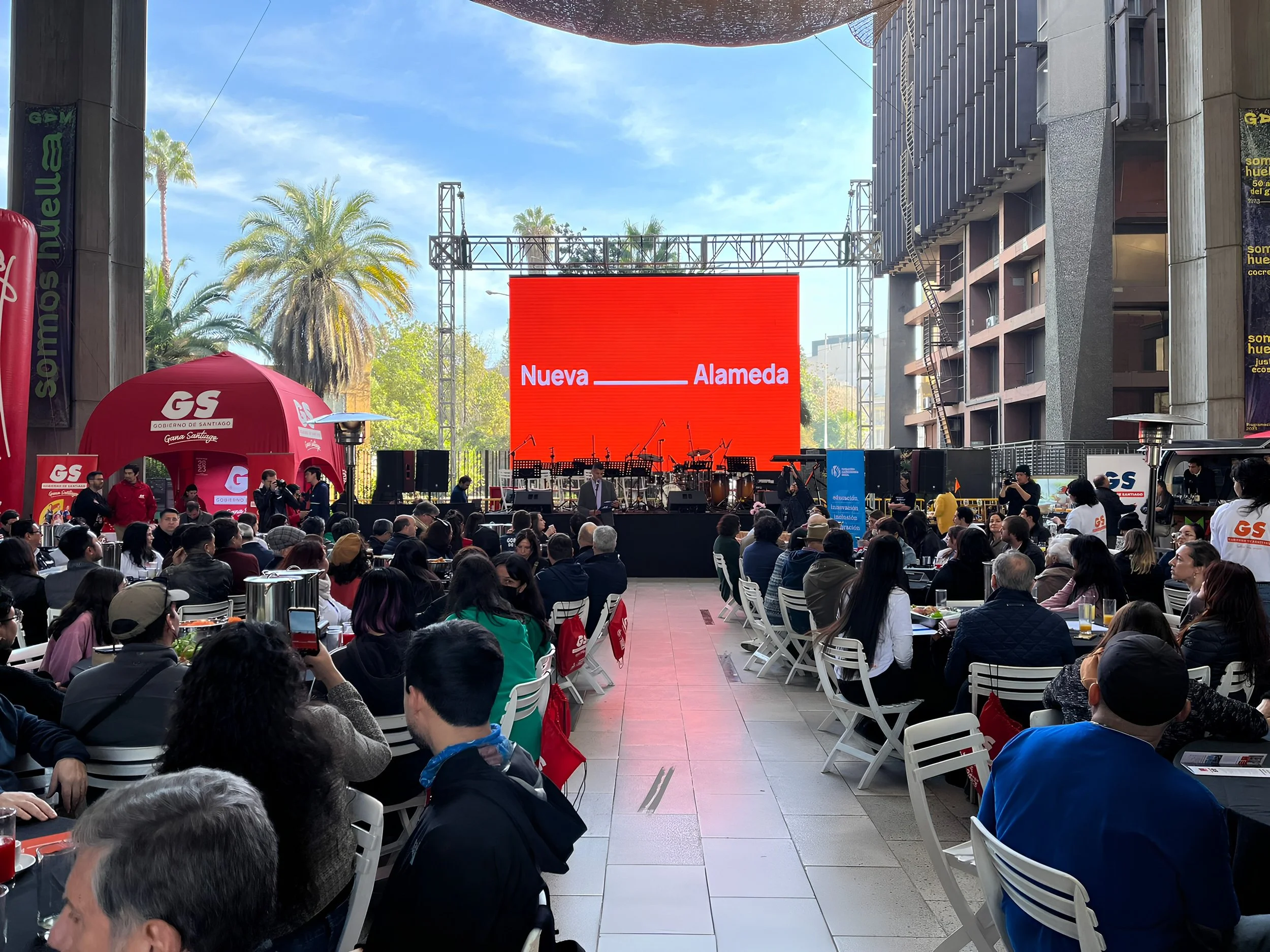
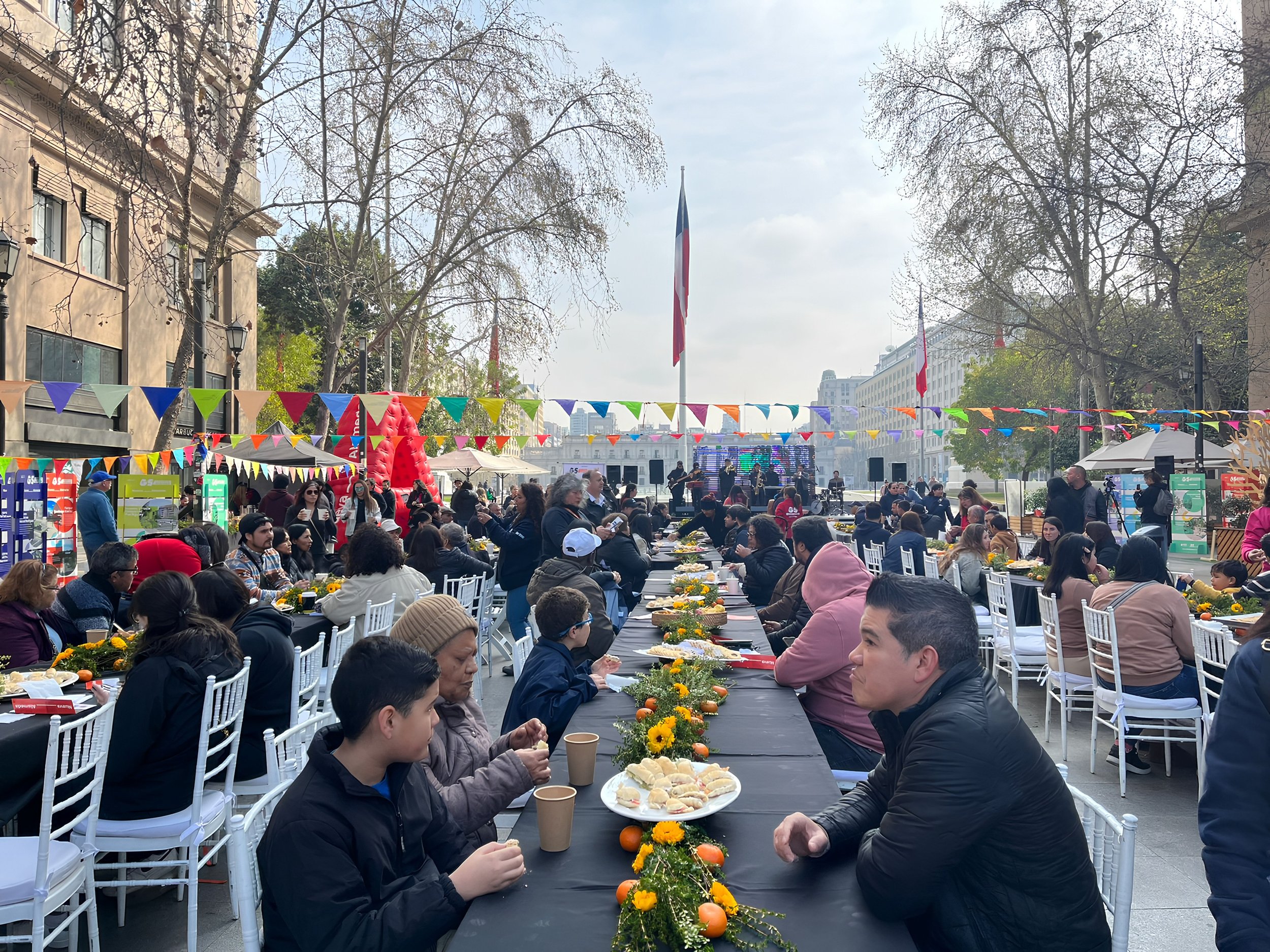
Collective Kitchen (Cocina más Colectiva): Implemented during the "Las Delicias de la Alameda" milestone, where we transformed a massive lunch into an ideas lab. Participants co-created a traditional dish (charquicán) while mapping opportunities for improvement for the axis.
Urban Malones Training: Transfer of capacities to neighborhood organizations to organize community encounters of trust. This methodology is key to preventive security, achieving a reduction in the perception of criminality through social cohesion.
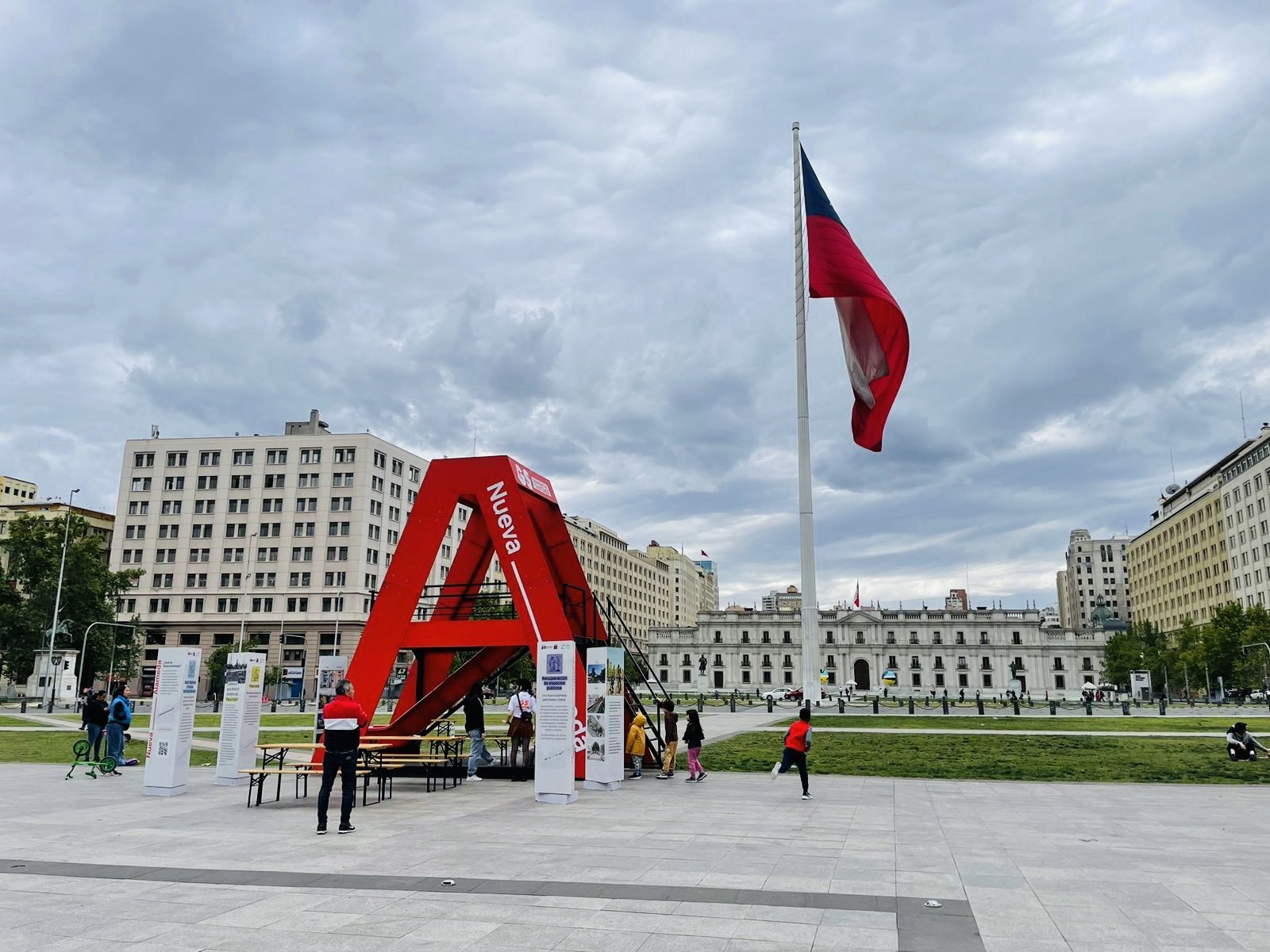
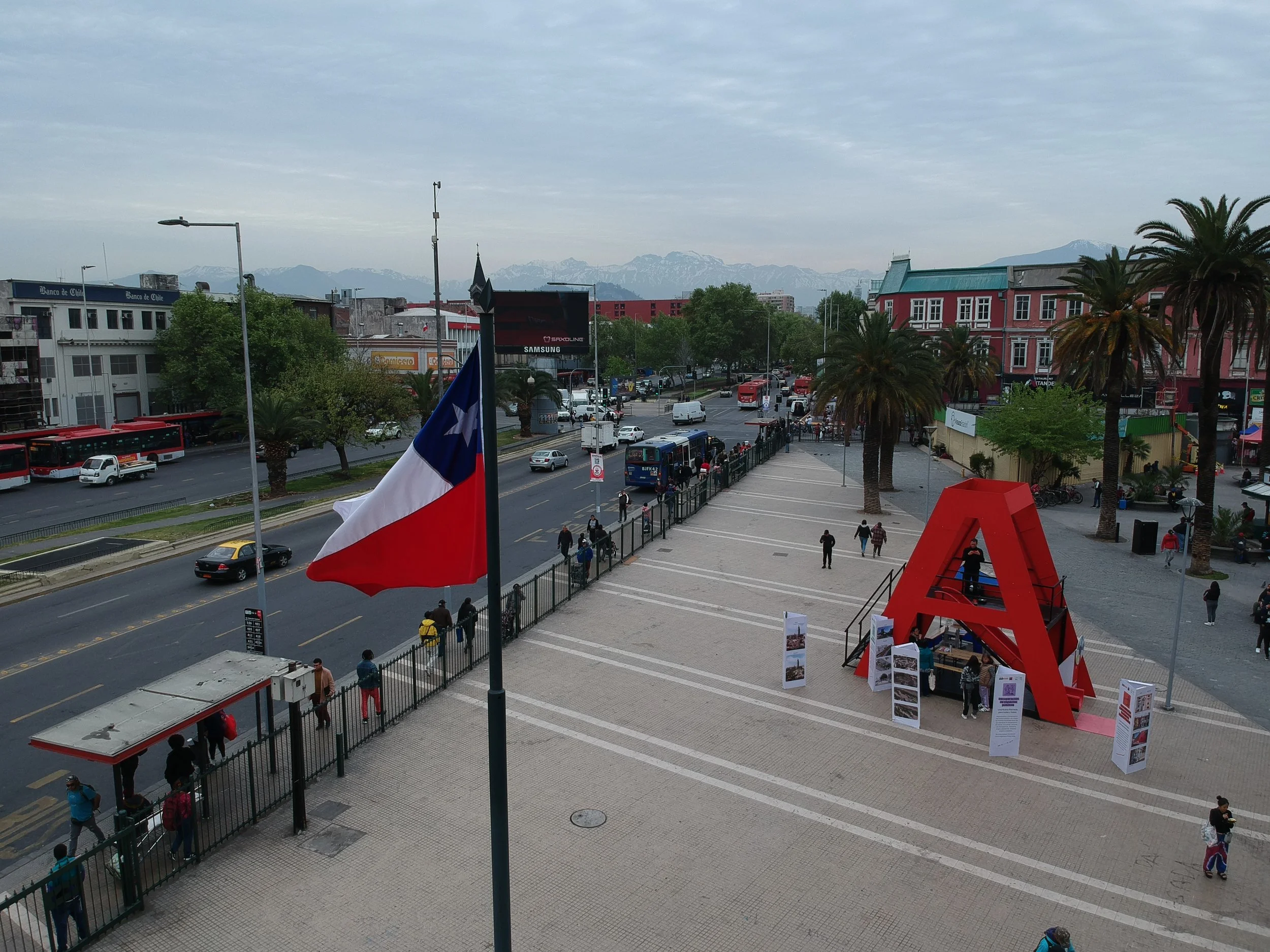
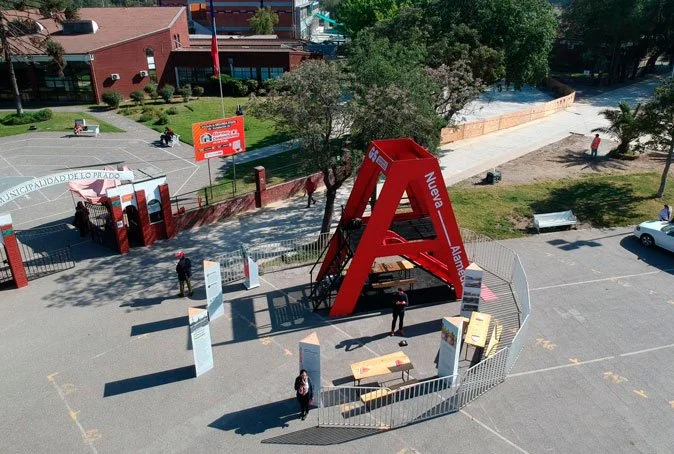
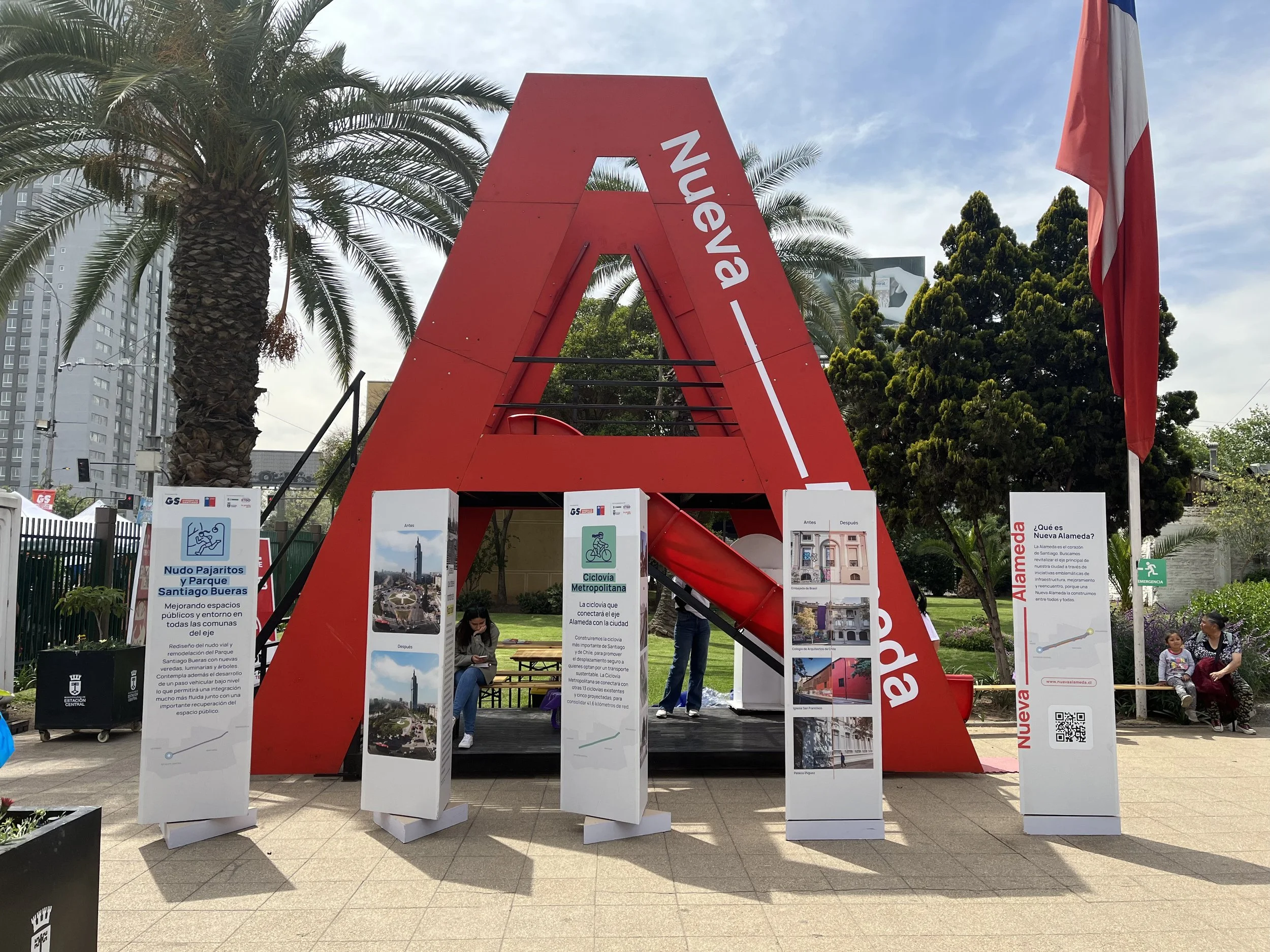
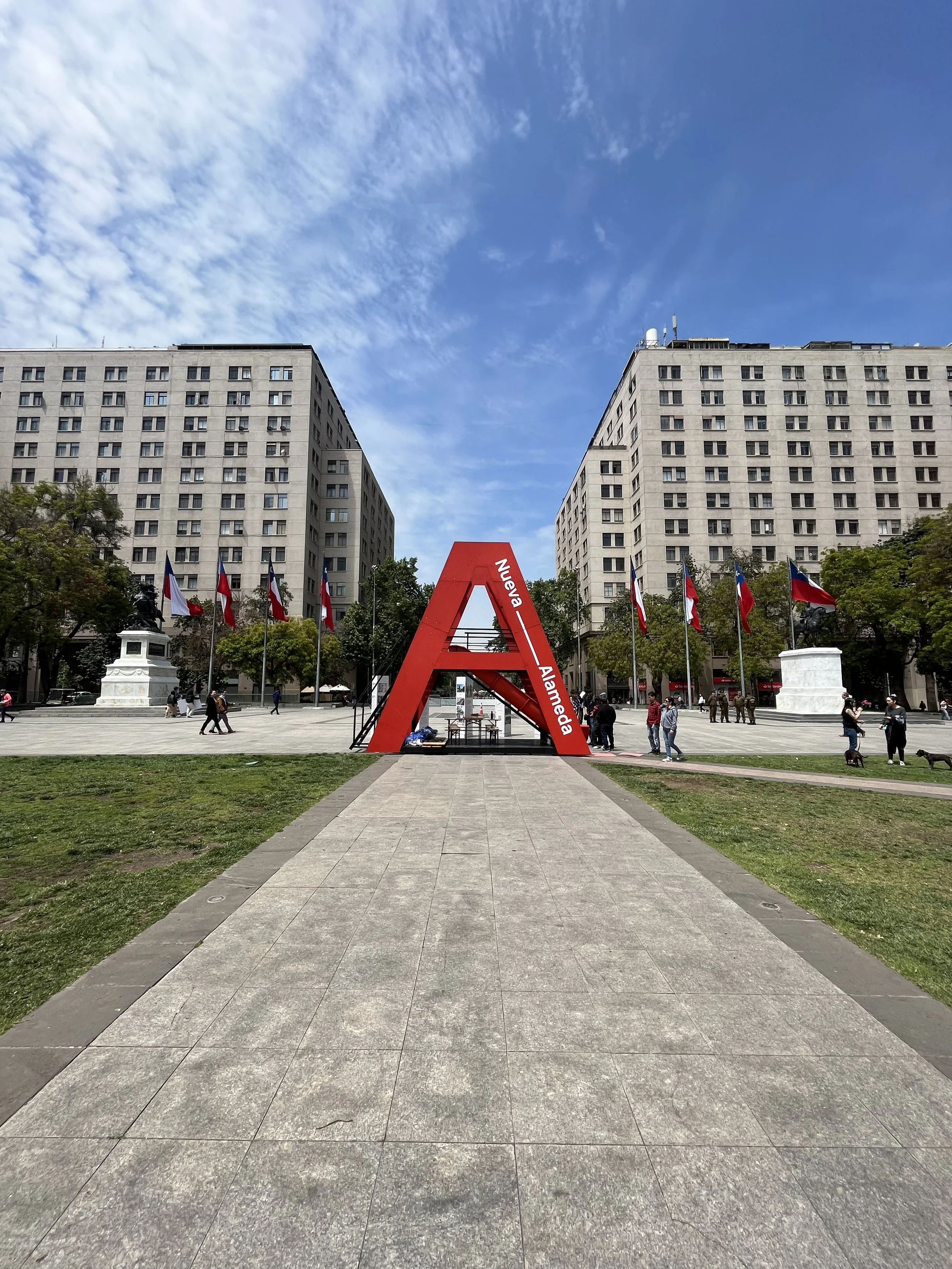
Mobile Alameda Device (Dispositivo Alameda Móvil): Design and operation of a traveling information and consultation unit. This device allowed the project to be taken to the street, collecting citizen perceptions in a playful way (trivia and dialogues) at high-traffic points such as Paseo Ahumada.
"Mutual Care" Activations: Organization of massive discussion meetings (such as "Take Care of Alameda, Alameda Takes Care of You") to socialize the progress of security and public space projects, fostering citizen co-responsibility.
Client / Partners
Client: Santiago Metropolitan Regional Government (GORE).
Ciudad Emergente's Role: Strategic consultancy in citizen participation and public space activation.
Collaborators: Neighborhood organizations, local shopkeepers of the axis, and cultural agents.
Results & Impact
Impact on Design: Collection of priority demands, where it was identified that security (17.1%) and cultural offerings are the greatest expectations of citizens for the future of the axis.
Community Strengthening: Successful training of local leaders to replicate the "Great Malón" model, strengthening the natural surveillance and neighborly support network.
Reach of the Mobile Alameda: Hundreds of direct interactions with passersby that allowed for the democratization of access to the project's technical information.
Effect on Citizen Security: Application of methodologies that, according to evidence collected by Ciudad Emergente, contribute to the reduction of criminality in urban environments through the positive occupation of space.
Conclusions
The work of Ciudad Emergente in the Nueva Alameda confirms that large infrastructure works require social "software" to succeed. Our intervention allowed a metropolitan-scale project to feel close to the human scale, converting the restoration of facades into an opportunity to rebuild the social fabric. The great lesson of our work is that the true security of an avenue does not reside only in its lighting, but in the capacity of its inhabitants to meet, care for, and recognize one another in it.