La Ramayana Social Investment Plan
Co-creation and sustainable solutions for strengthening local development in Olmué.
Place
Olmué, Chile
Año
2024
Objectives
Strengthen community infrastructure in the locality of Ramayana (Cuesta La Dormida) through a participatory program aligned with the Sustainable Development Goals (SDGs).
Promote local empowerment and community autonomy through the co-creation of projects.
Implement resilient infrastructure solutions in three key areas: education, sports, and artisanal trade.
Foster co-responsibility between the private sector, social organizations, and residents to ensure the long-term sustainability of the works.
Methodology
The program was deployed using participatory methodologies and the use of local labor, divided into three fronts of action:
Basic School (Sustainable Model): Installation of ecological stations including hybrid solar panels ($2.55$ kWp), modular greenhouses, and composting systems to foster environmental awareness among teachers and students.
Sports Club (Infrastructure Revitalization): Technical reconstruction of roofs, implementation of potable water accumulation and pumping systems, and optimization of LED lighting.
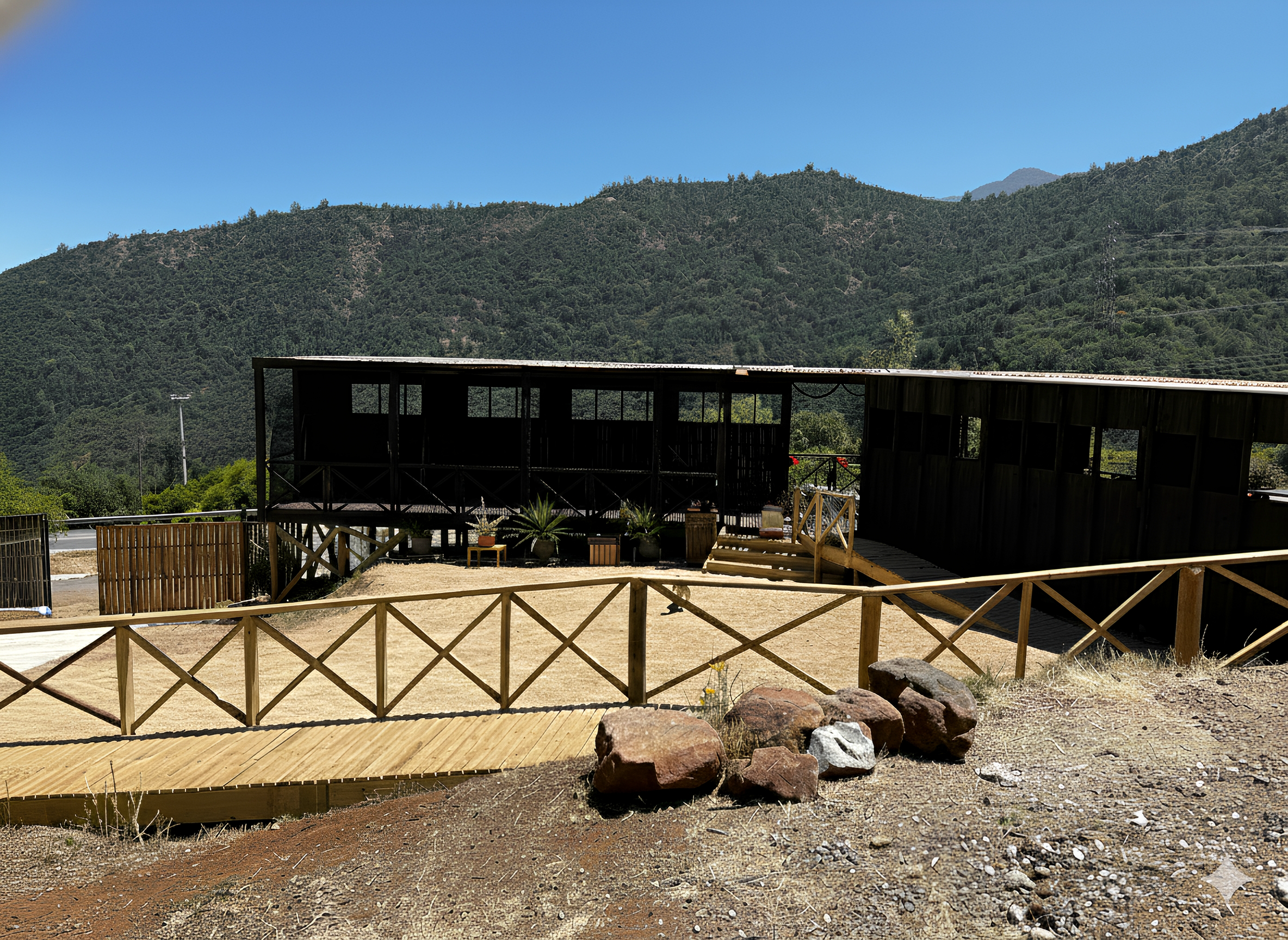
Artisanal Village (Participatory Design): Evolution of a commercial proposal into an inclusive public space with universal accessibility, using local identity materials such as coligüe cane.
Community Relations Management: Constant communication and inclusion of all local stakeholders (not just leaders) to prevent dependencies and ensure transparency.
Clients / Partners
Lead Client: Aguas Pacífico.
Execution and Material Management: Ciudad Emergente.
Local Community: La Ramayana School, La Ramayana Sports Club, and local artisans from Ramayana, Olmué.
Results & Impact
Energy Autonomy: Generation of $2.55$ kWp of clean energy for the school, with the capacity to feed surplus energy back into the grid.
Water Security and Habitability: Guaranteed continuous water supply for the sports club and renovation of degraded recreational spaces.
Local Economic Development: Creation of a functional Artisanal Village with a universal walkway, facilitating local trade and tourism in the area.
Strengthening the Social Fabric: Celebration of inauguration milestones (such as August 10, 2024) that consolidated community unity and local pride.
Efficient Management: Optimization of resources through community labor contributions under the technical direction of Ciudad Emergente.
Conclusions
The La Ramayana Social Investment Plan demonstrates that large-scale sanitary infrastructure projects can and must coexist harmoniously with their surroundings. The key to success was adaptability and a focus on co-responsibility: by involving the community not only in design but also in construction, a sense of belonging is generated that ensures the resilience of the works. This program sets a precedent for how public-private collaboration can improve rural quality of life in a transparent manner that respects territorial identity.
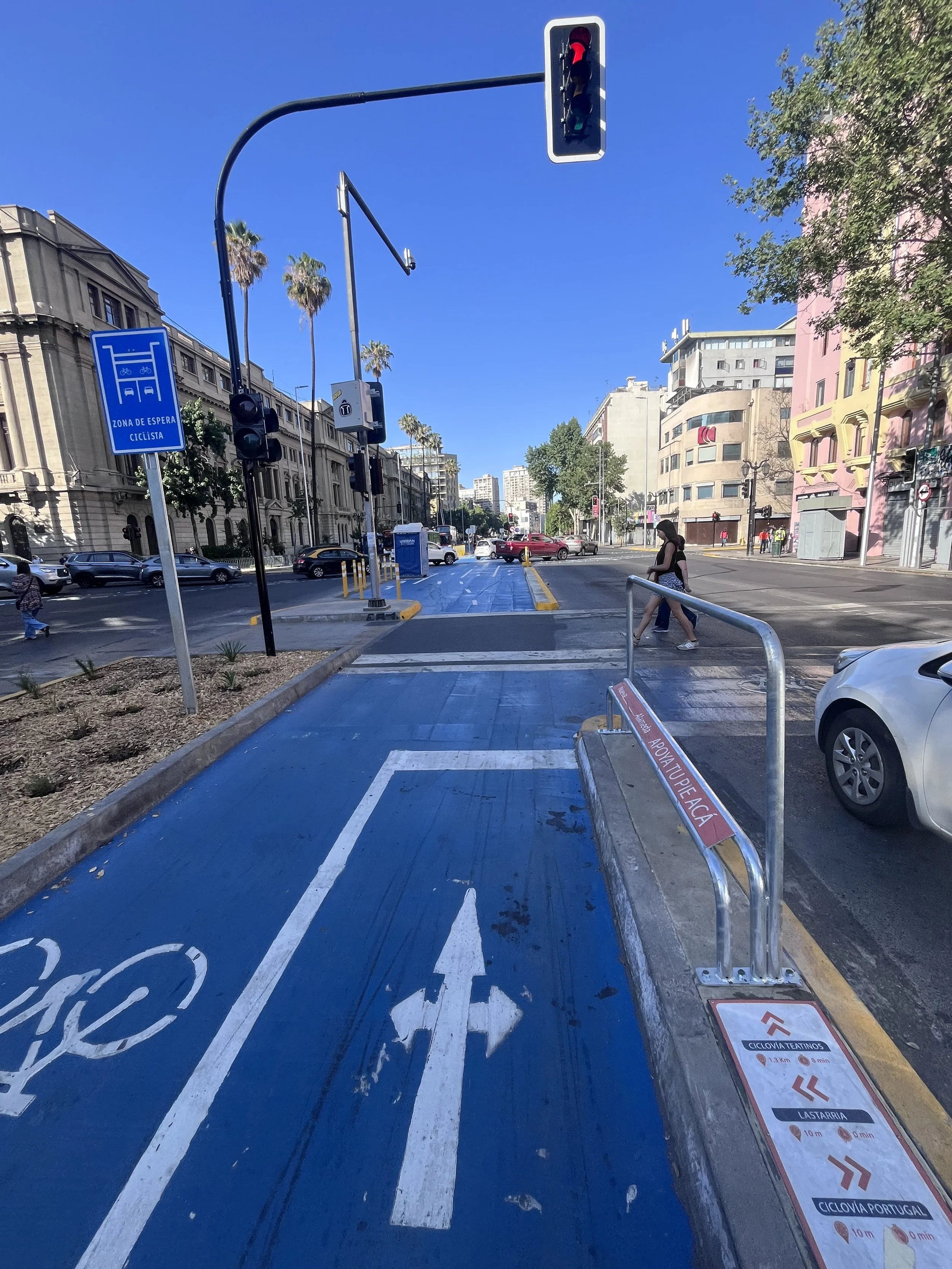
INFRAESTRUCTURA DEFINITIVA 2025
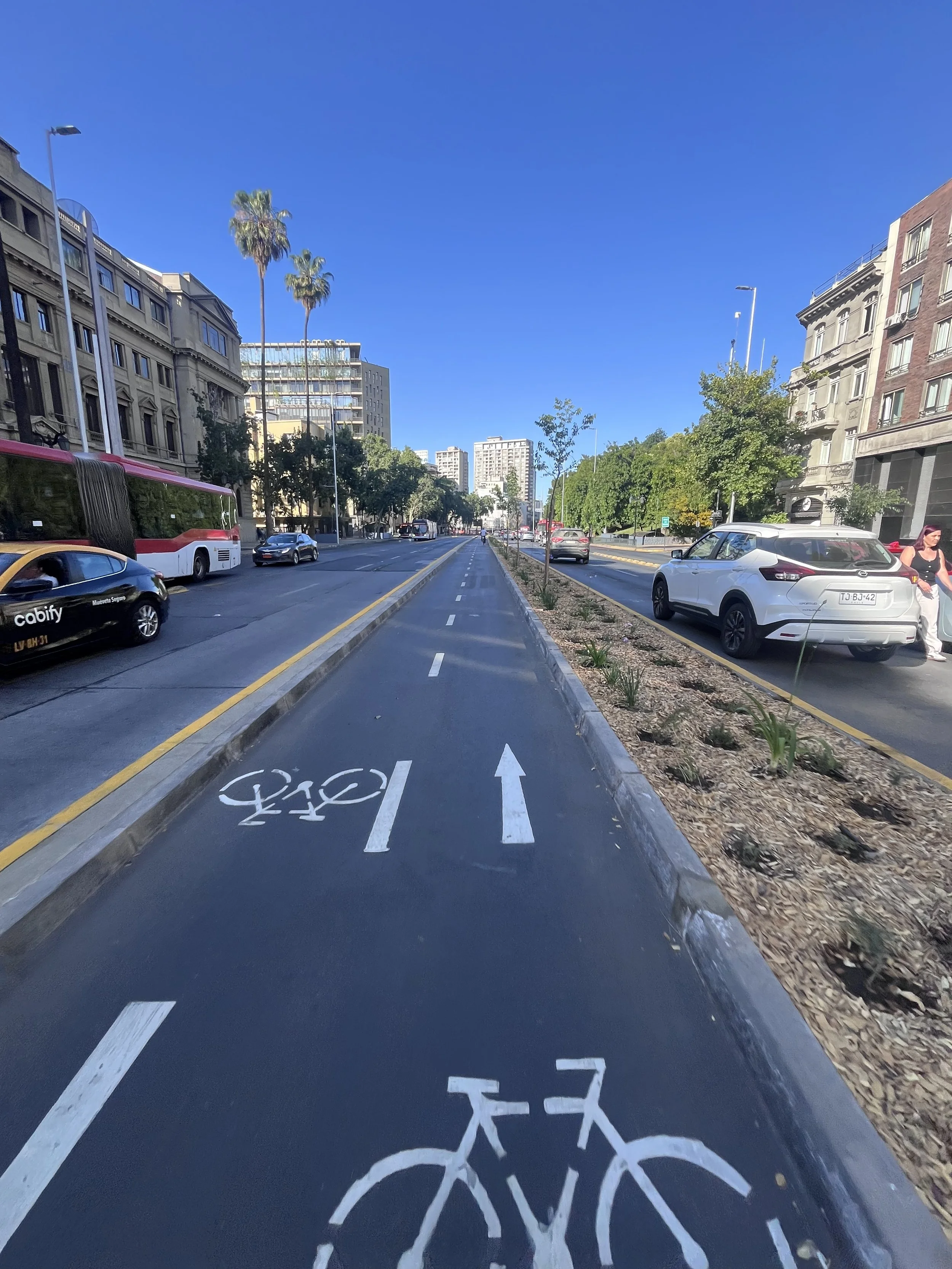
INFRAESTRUCTURA LARGO PLAZO 2025
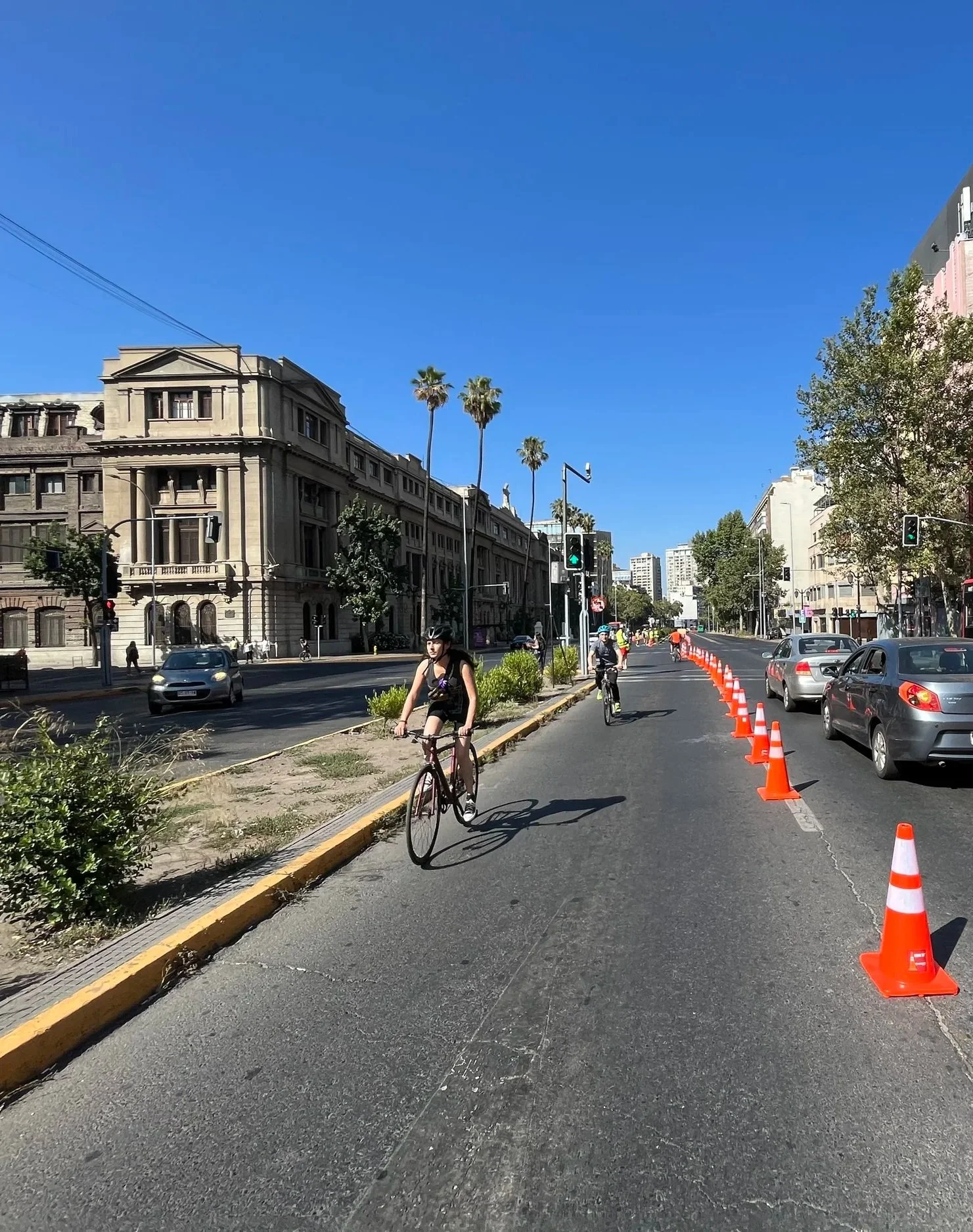
PILOTO TÁCTICO 2024
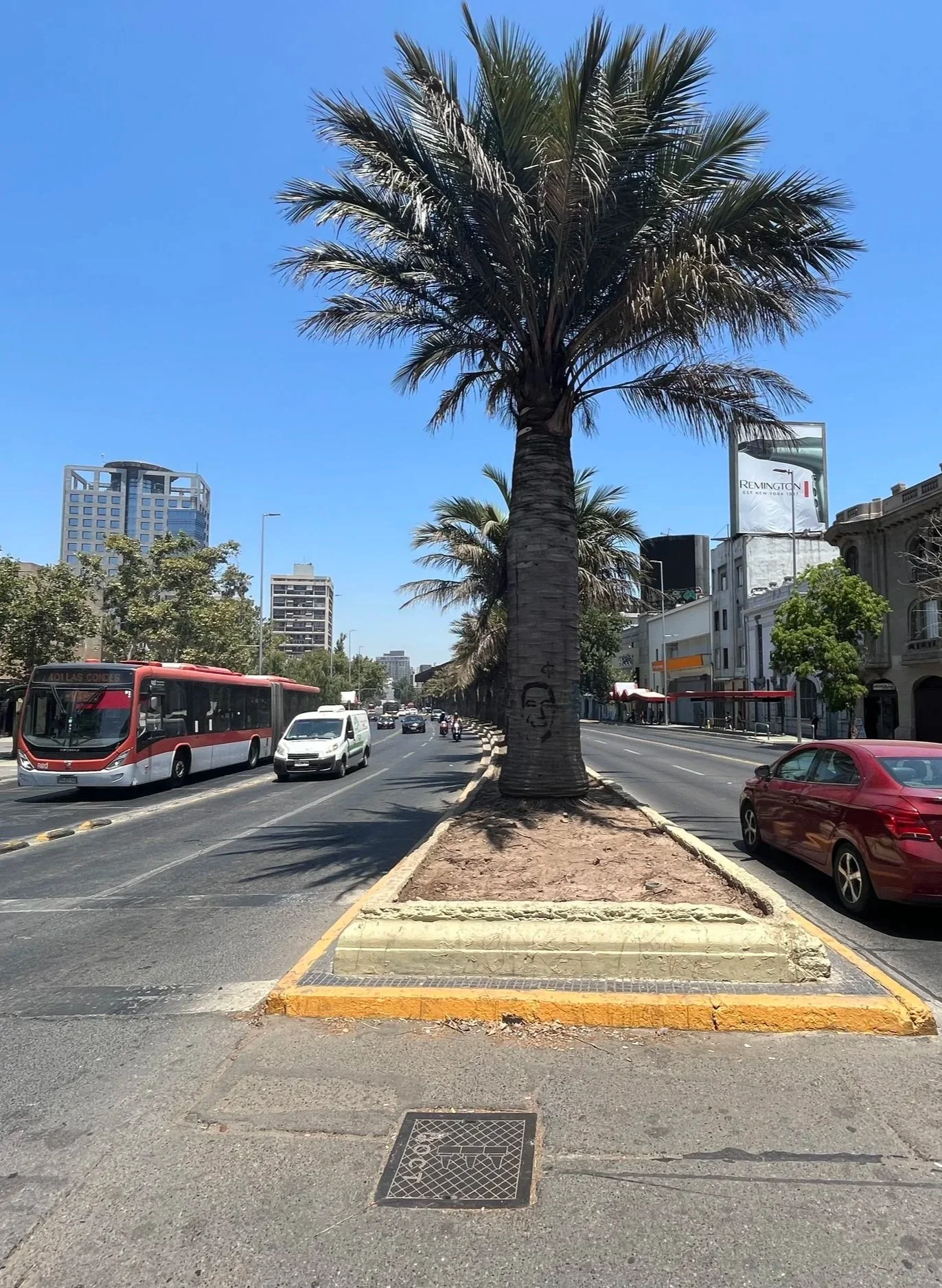
ALAMEDA 2023