The Great Mateada
Civic rituals to strengthen trust and neighborhood life.
Place
Salamanca, Chile
Year
2018 - 2019
Objectives
Foster encounter and trust among neighbors through a cultural rite deeply rooted in local identity.
Simultaneously activate public space in multiple locations, demonstrating the self-management capacity of communities.
Promote massive citizen participation under a low-cost, high-social-impact model.
Highlight the network of social organizations within the Somos Salamanca program, strengthening their sense of belonging.
Methodology
The Great Mateada functions as a "network activation" based on community autonomy:
Simultaneous Activation: Logistics coordination to ensure dozens of localities hold the gathering on the same day, creating a social and communication milestone across the entire district.
Self-Management Kit: Delivery of tools and support to local leaders, enabling them to lead the organization of their own mateada in their squares or community centers.
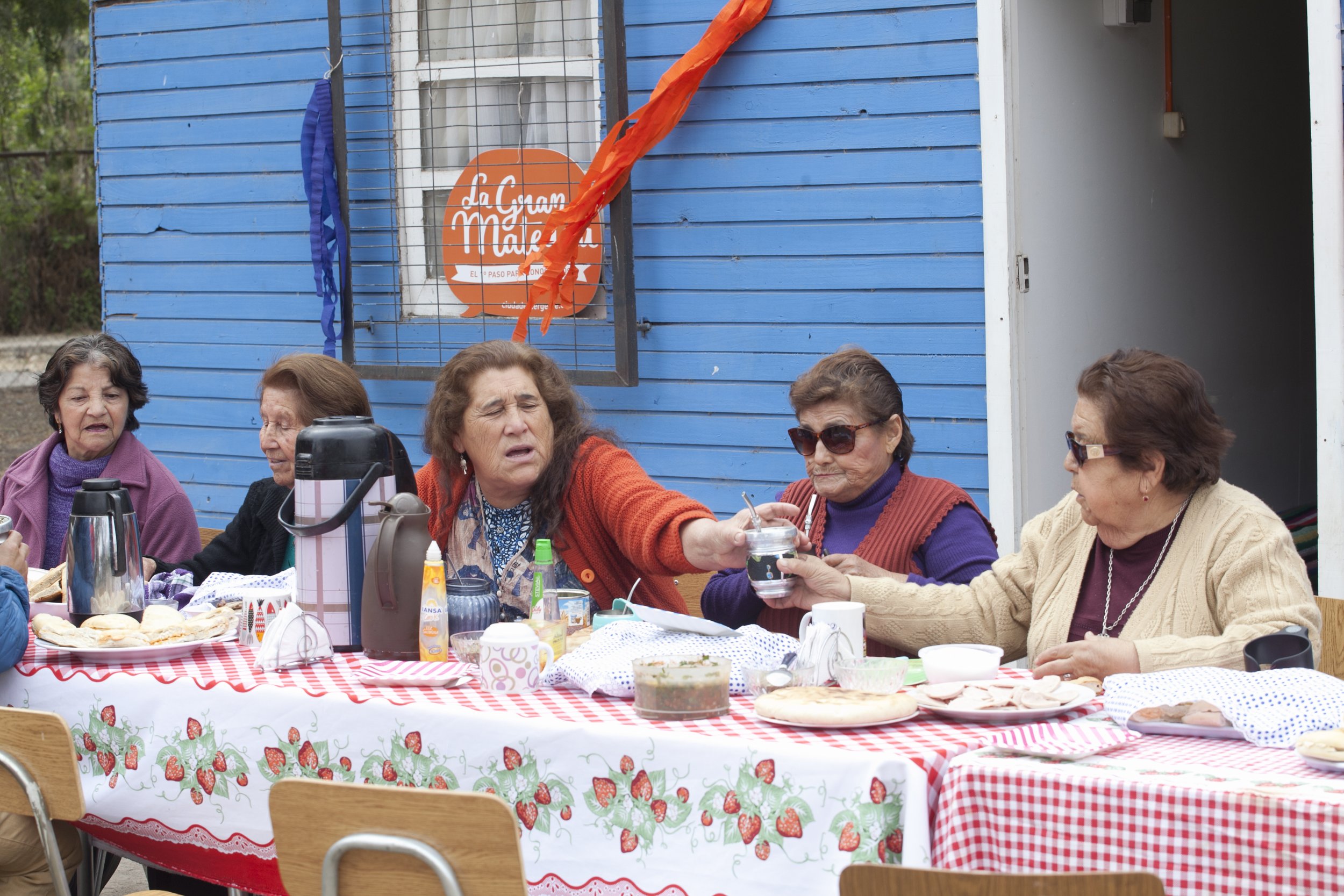
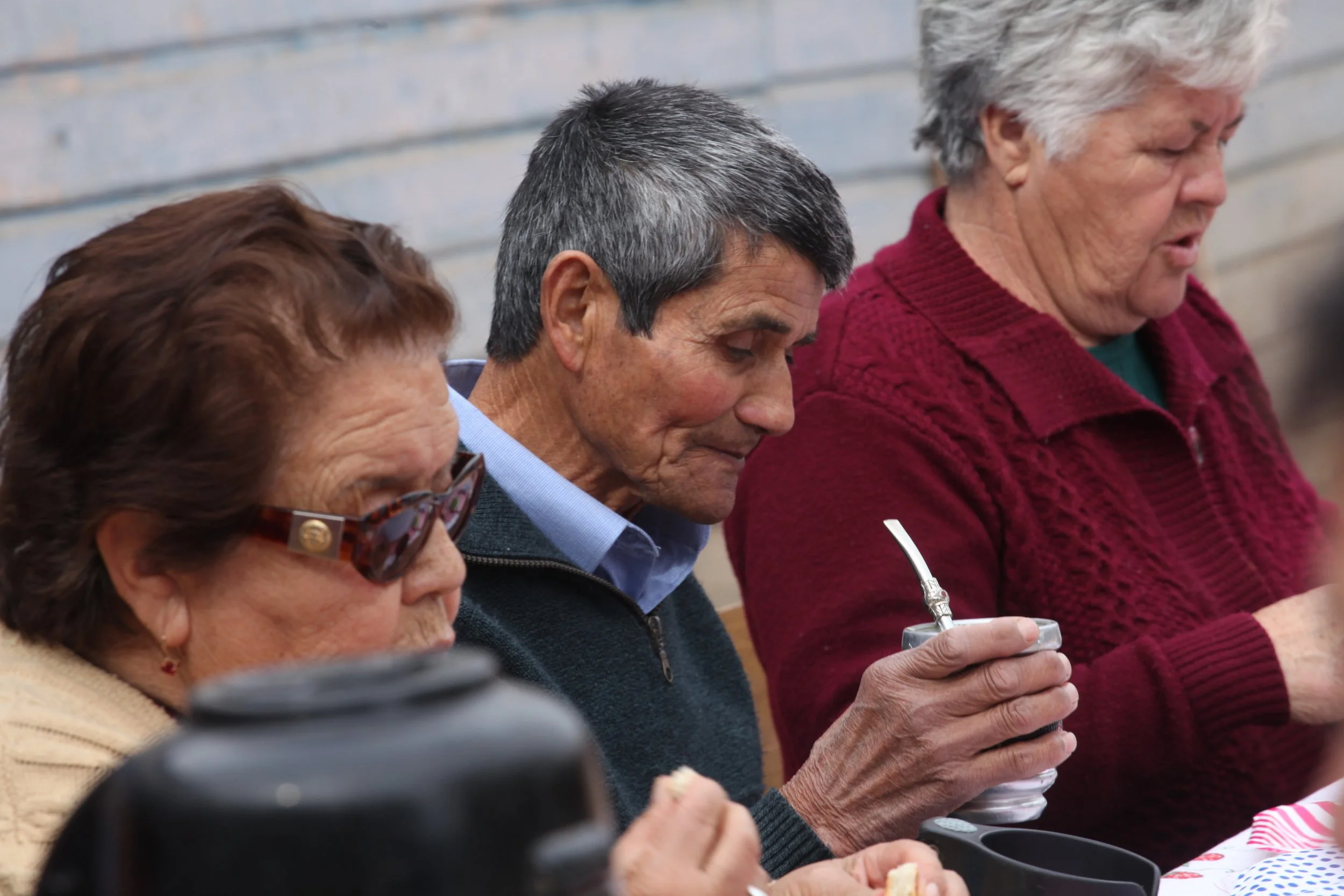
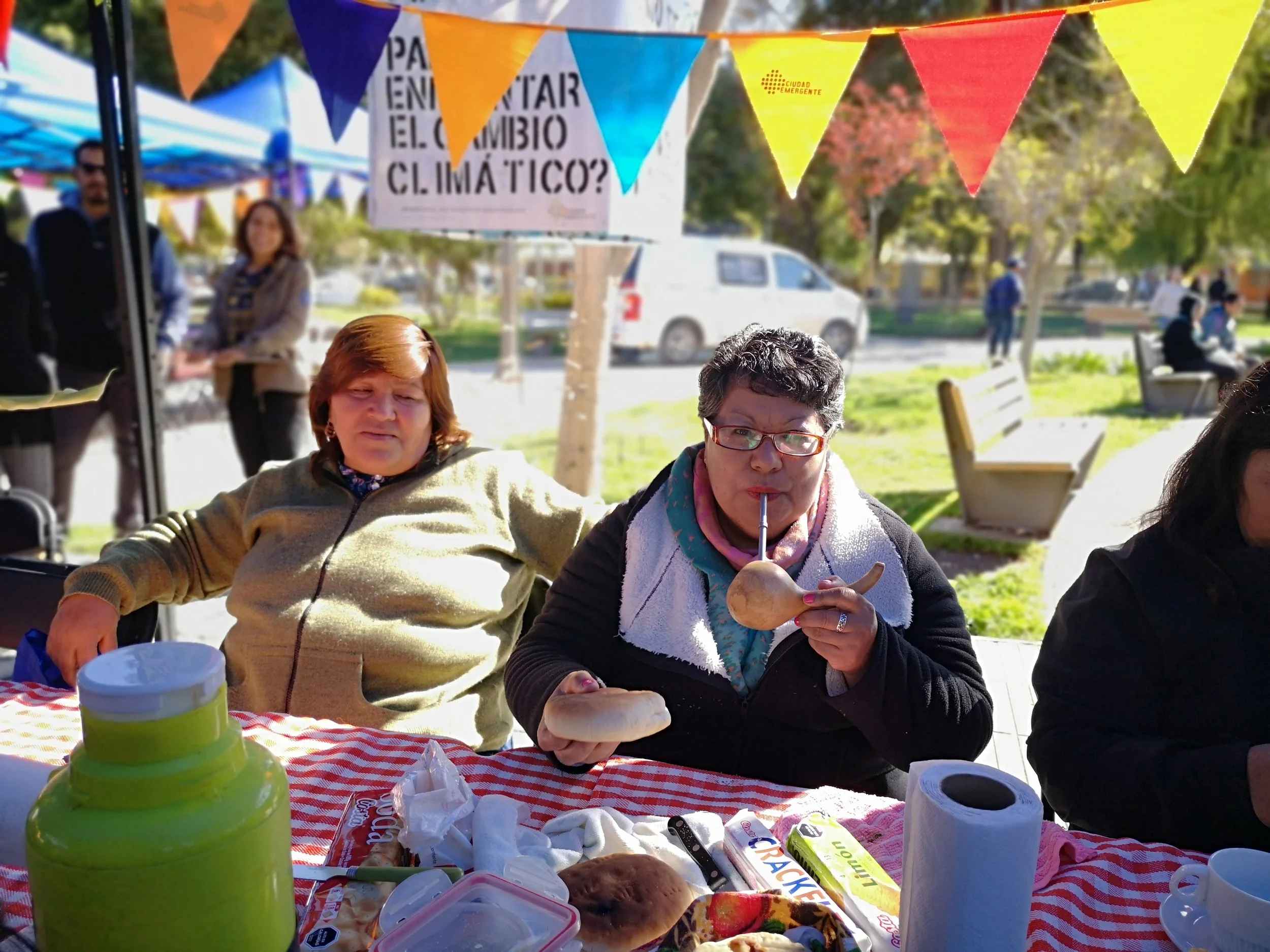
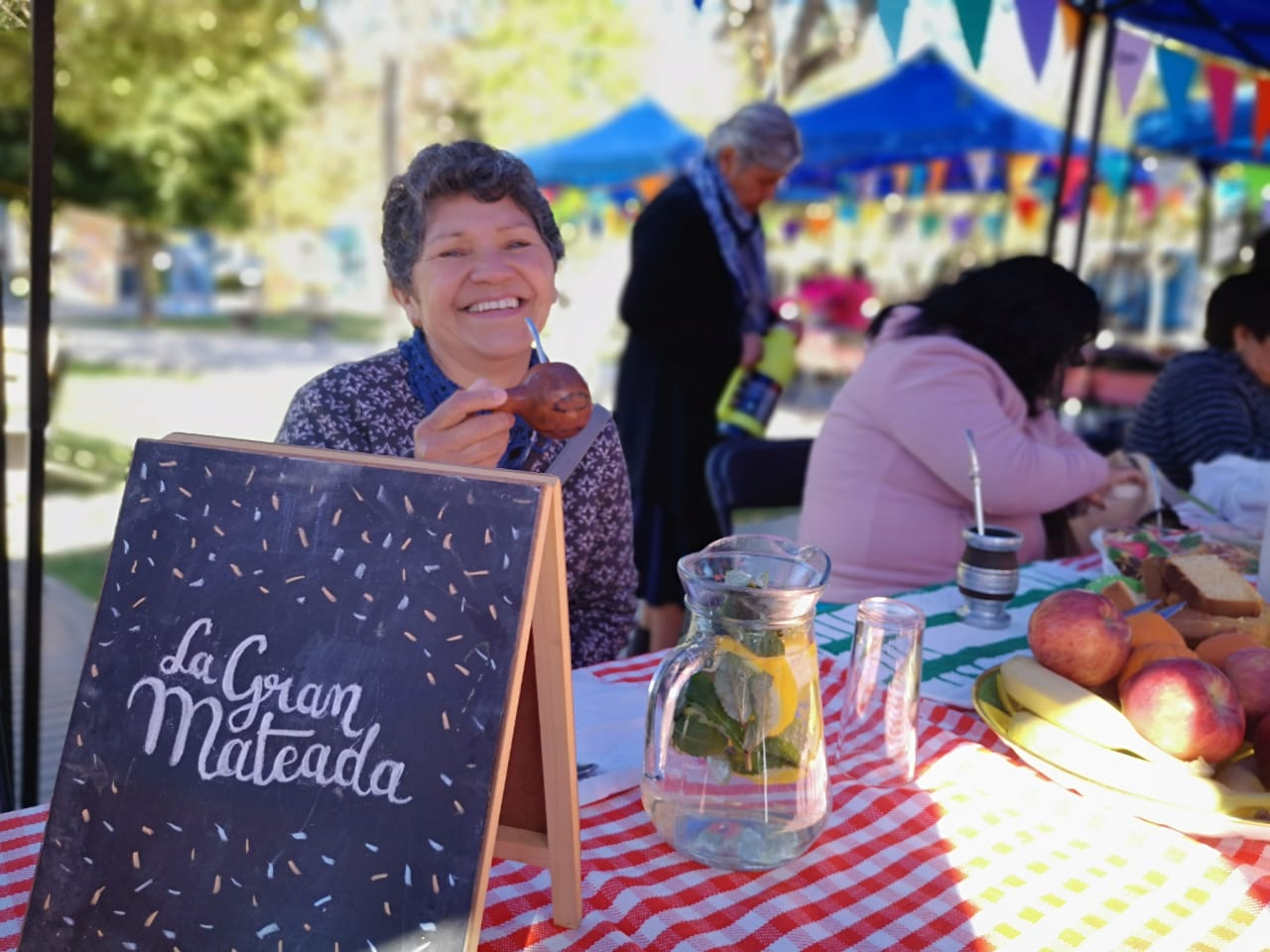
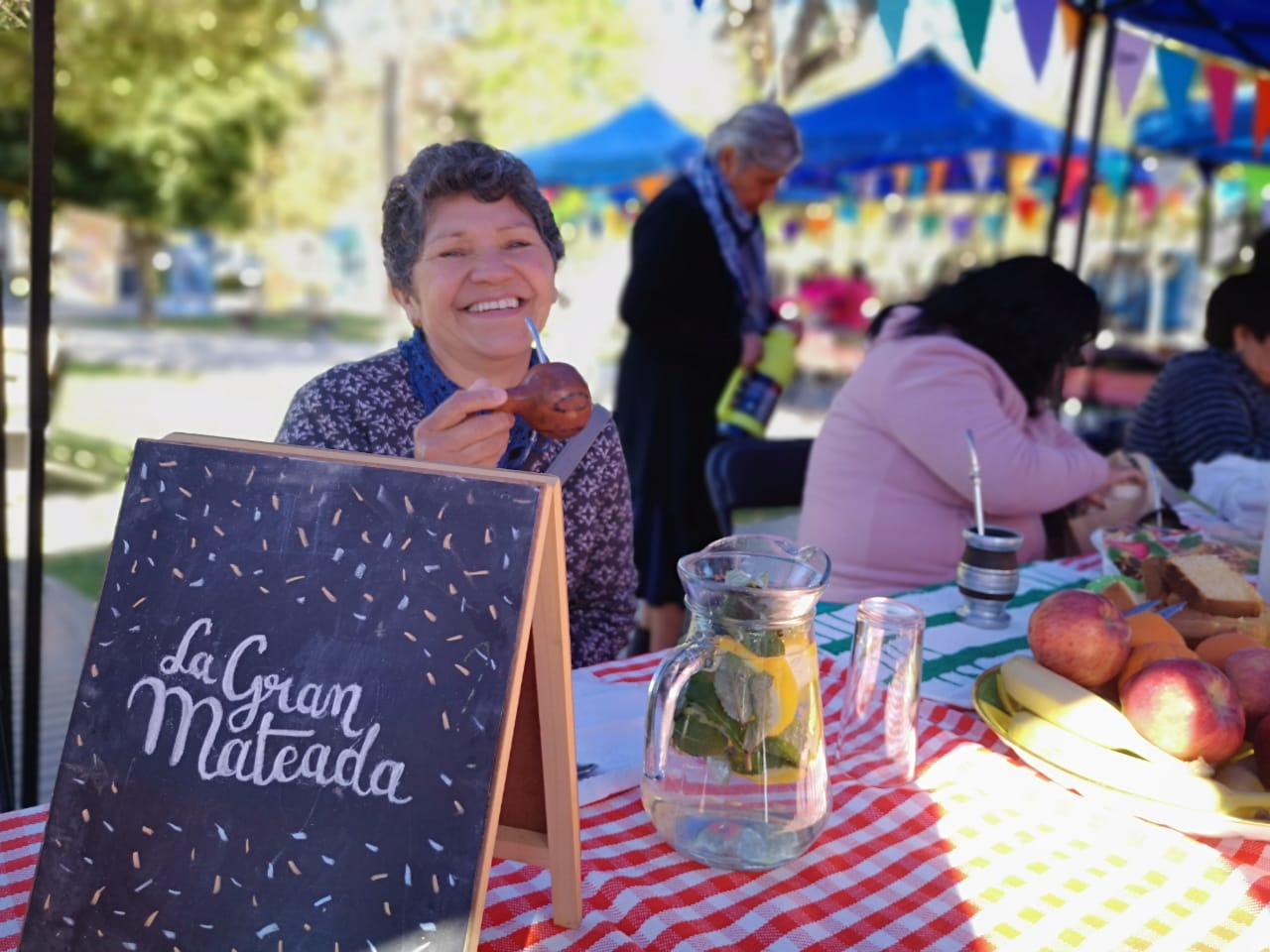
Use of Local Gastronomy: Integration of identity elements (mate, churrascas, and local sweets) as catalysts for horizontal dialogue between neighbors of different generations.
Multi-scale Support: Implementation under the framework of the Somos Salamanca program, connecting private investment with the daily life of communities.
Clients / Partners
Framework Program: Somos Salamanca.
Strategic Partner: Minera Los Pelambres (MLP).
Institutional Partner: Illustrious Municipality of Salamanca.
Execution: Ciudad Emergente.
Results & Impact
Massive Turnout: Over 30 localities mobilized simultaneously in both urban and rural areas.
Territorial Capillarity: 36 mateadas held in various public spaces, reclaiming squares, streets, and community centers for safe encounters.
Strengthening Social Capital: Mobilization of thousands of neighbors who, gathered around mate, shared aspirations and proposals for neighborhood improvement.
Coexistence Milestone: Consolidation of the activity as one of the program's most valued initiatives due to its ability to generate joy and neighborhood unity without the need for large-scale infrastructure.
Conclusions
The Great Mateada demonstrates that "making city" does not always require concrete; sometimes, it requires a shared table. By adding value to a traditional rite, Ciudad Emergente successfully activates public space in an organic and authentic way. This project confirms that the most important infrastructure in a neighborhood is the fabric of trust among its inhabitants, and that civic rituals are the most effective tool to combat urban loneliness and strengthen local democracy.