Safe School Environment: Lo Espejo
Tactical urbanism and international methodologies for the protection of school commutes.
Place
Santiago, Chile
Year
2024
Objectives
Increase road safety in the surroundings of the Hernán Olguín Maibee School and the Weñi Chempen Kindergarten.
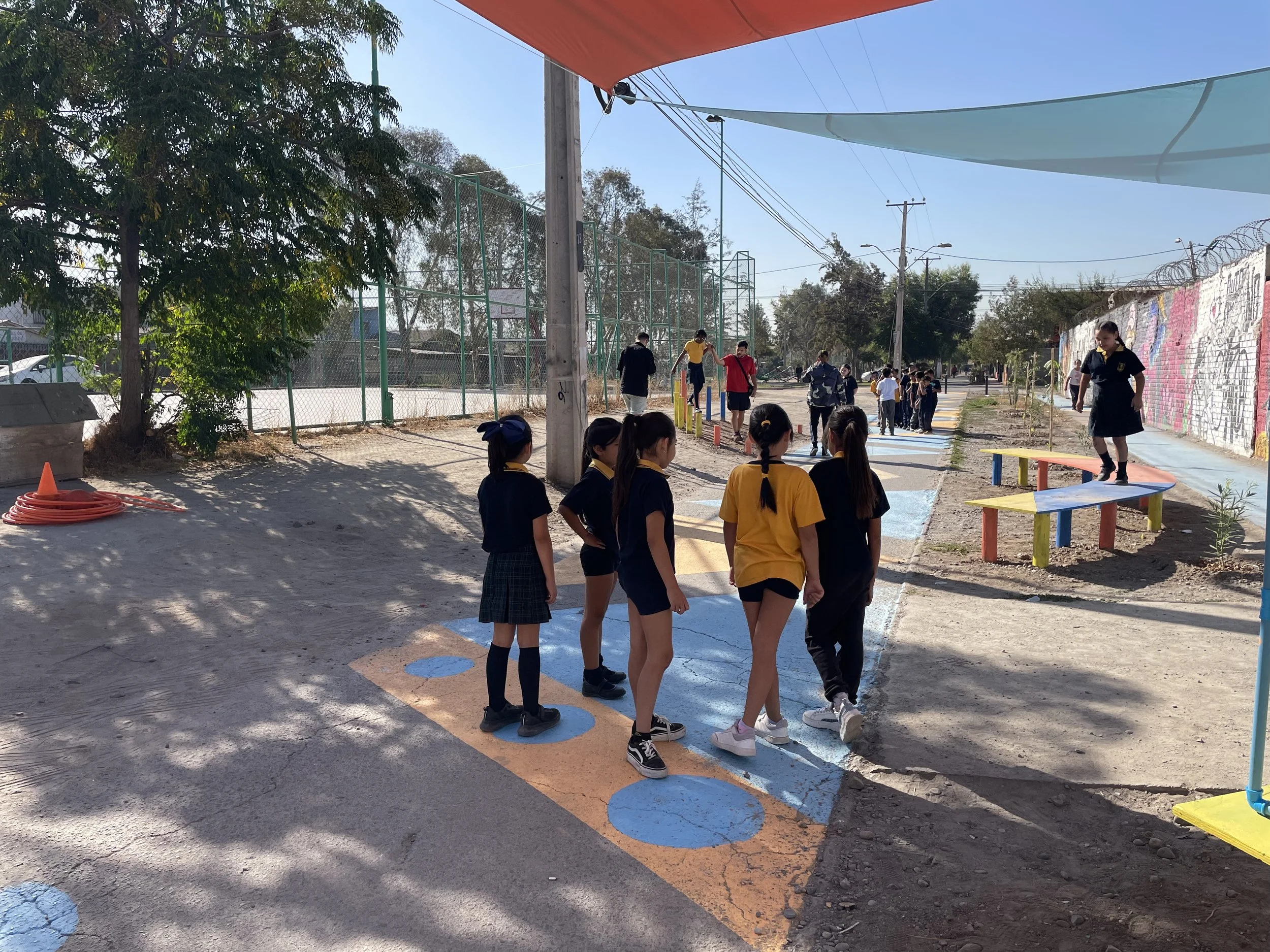
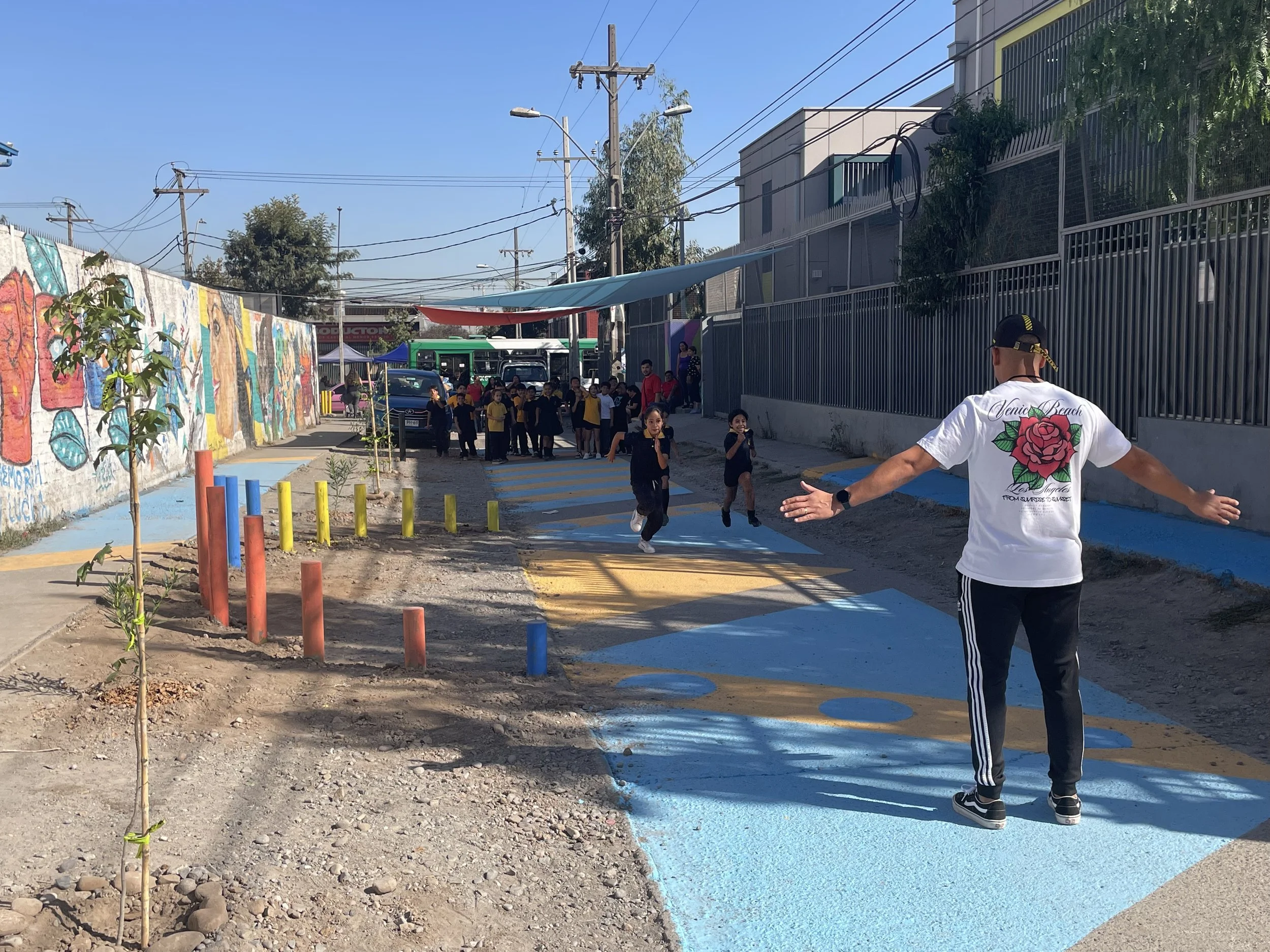
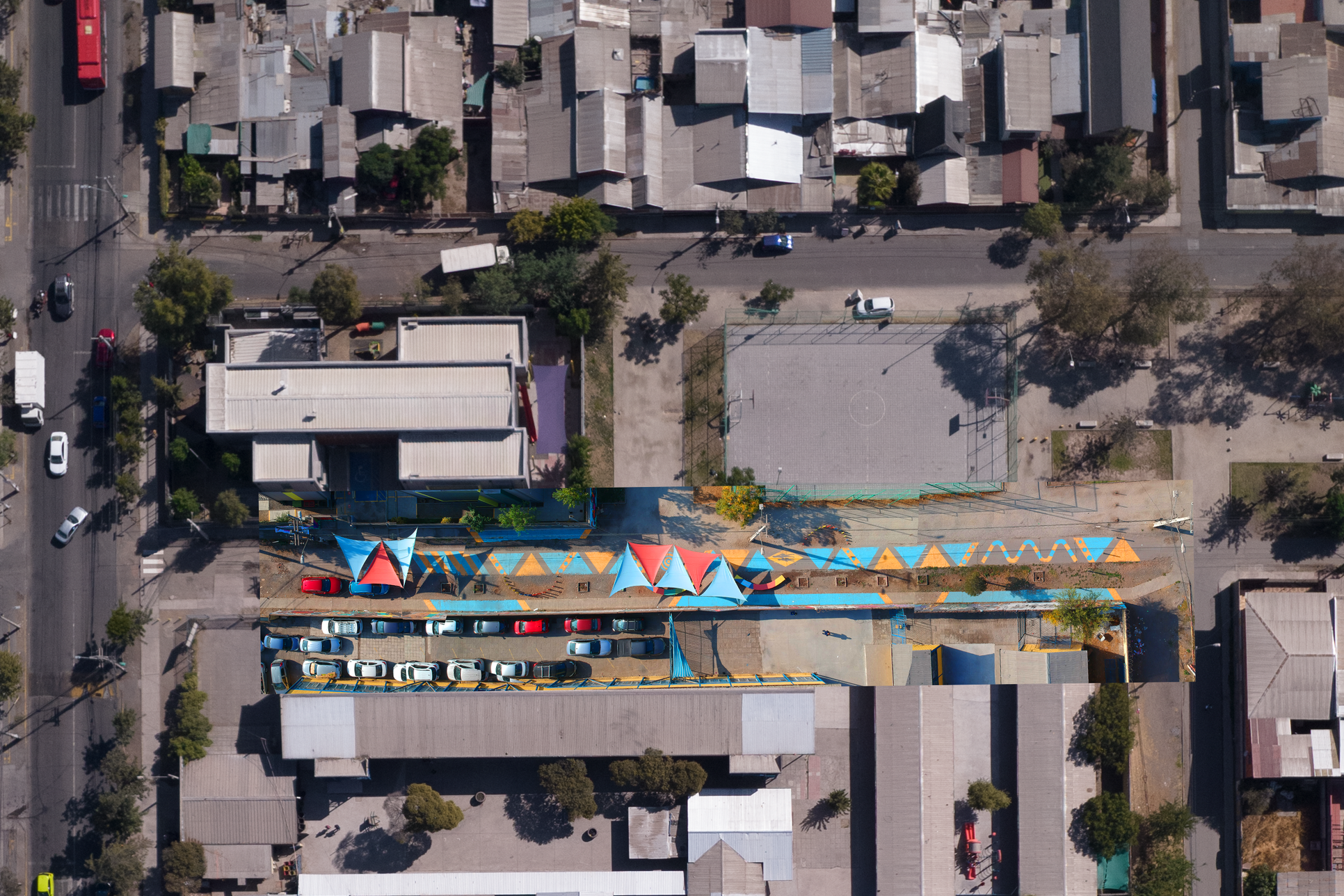
Pedestrianize Pasaje Pegaso, transforming it into a protected access space for the educational community.
Reduce child road fatalities, addressing one of the leading causes of preventable death for those under 29.
Foster ownership of public space among students, parents, and teachers through pedagogical tools.
Methodology
The project is based on a combination of international standards and local tactics:
Star Rating For Schools (SR4S): Application of the "Star Rating for Schools" methodology to objectively diagnose and measure road risks in the environment.
Validated Tactical Urbanism: Implementation of quick and effective measures developed by Ciudad Emergente:
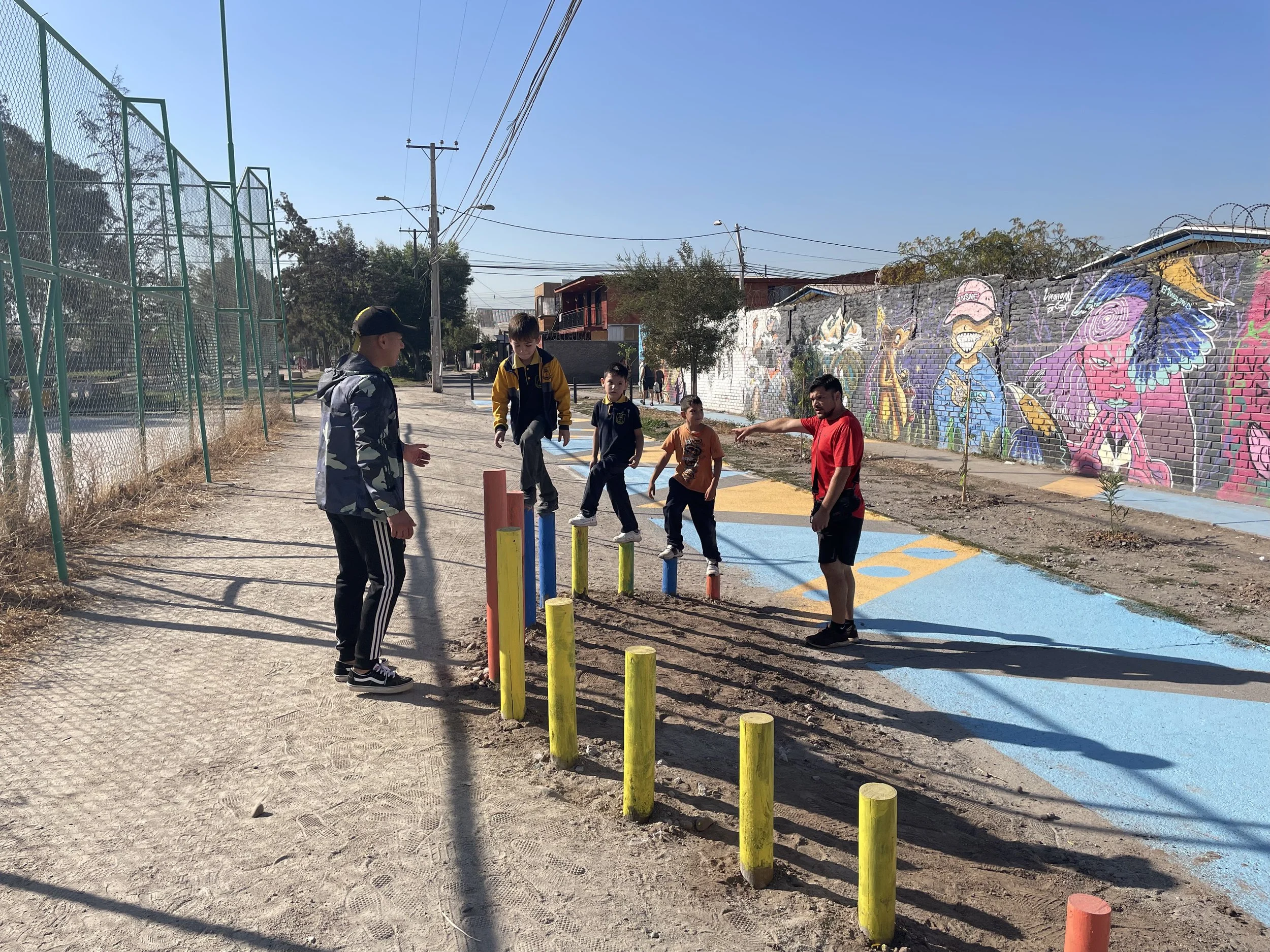
Playful road painting: To visually signal pedestrian priority.
Furniture and signage: Creating safe waiting and resting zones.
Traffic Management Plan: Designing a diversion plan to consolidate Pasaje Pegaso as an open, comfortable, and protected pedestrian zone.
Teacher Activation: Workshops with the school community to turn the new public space into a tool for learning and coexistence.
Client / Partners
Public-Private Alliance: Municipality of Lo Espejo, Automóvil Club de Chile, CONASET (Ministry of Transportation and Telecommunications), and Ciudad Emergente.
Participating Authorities: Mayor's Office of Lo Espejo and the Executive Secretariat of Conaset.
Results & Impact
Infrastructure Transformation: Pasaje Pegaso shifted from a vehicle transit street to a safe gateway for the school and kindergarten.
Perception Measurement: Consultations conducted by Ciudad Emergente revealed that for the community, reclaiming public space (20%) and the direct care of students (26.6%) are fundamental pillars of safety.
Social Impact: Beyond a physical intervention, the project successfully engaged families and caregivers, creating a road system that protects the most vulnerable users: pedestrians.
"Vision Zero" Alignment: The project aligns with Conaset’s national strategy to generate safe road systems and eradicate traffic-related deaths.
Conclusions
The project in Lo Espejo demonstrates that when design focuses on childhood, a safer city is built for everyone. By integrating technical methodologies like SR4S with playful design and citizen participation, Ciudad Emergente and its partners succeed in improving quality of life during daily commutes. This intervention serves as a model for how collaboration between the State, private sector, and civil organizations can save lives and dignify access to education.