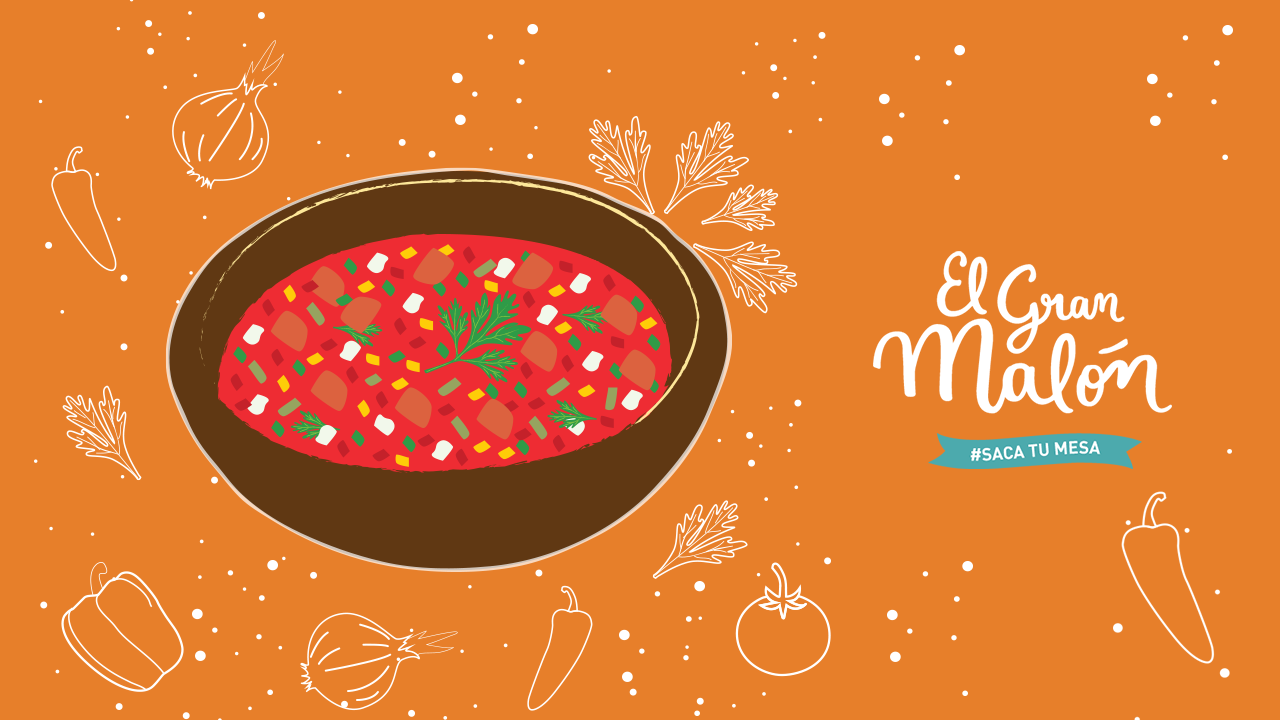
The Great Malon
The citizen festival to strengthen trust and coexistence in the neighborhoods of Chile.
Place
Multiples countries
Year
2017 - 2025
Objectives
To combat social mistrust and urban atomization through direct encounters between neighbors in the public space.
To strengthen social capital, creating local support and communication networks that improve the security and resilience of neighborhoods.
To promote active citizen participation, empowering people to take ownership of their streets, plazas, and parks.
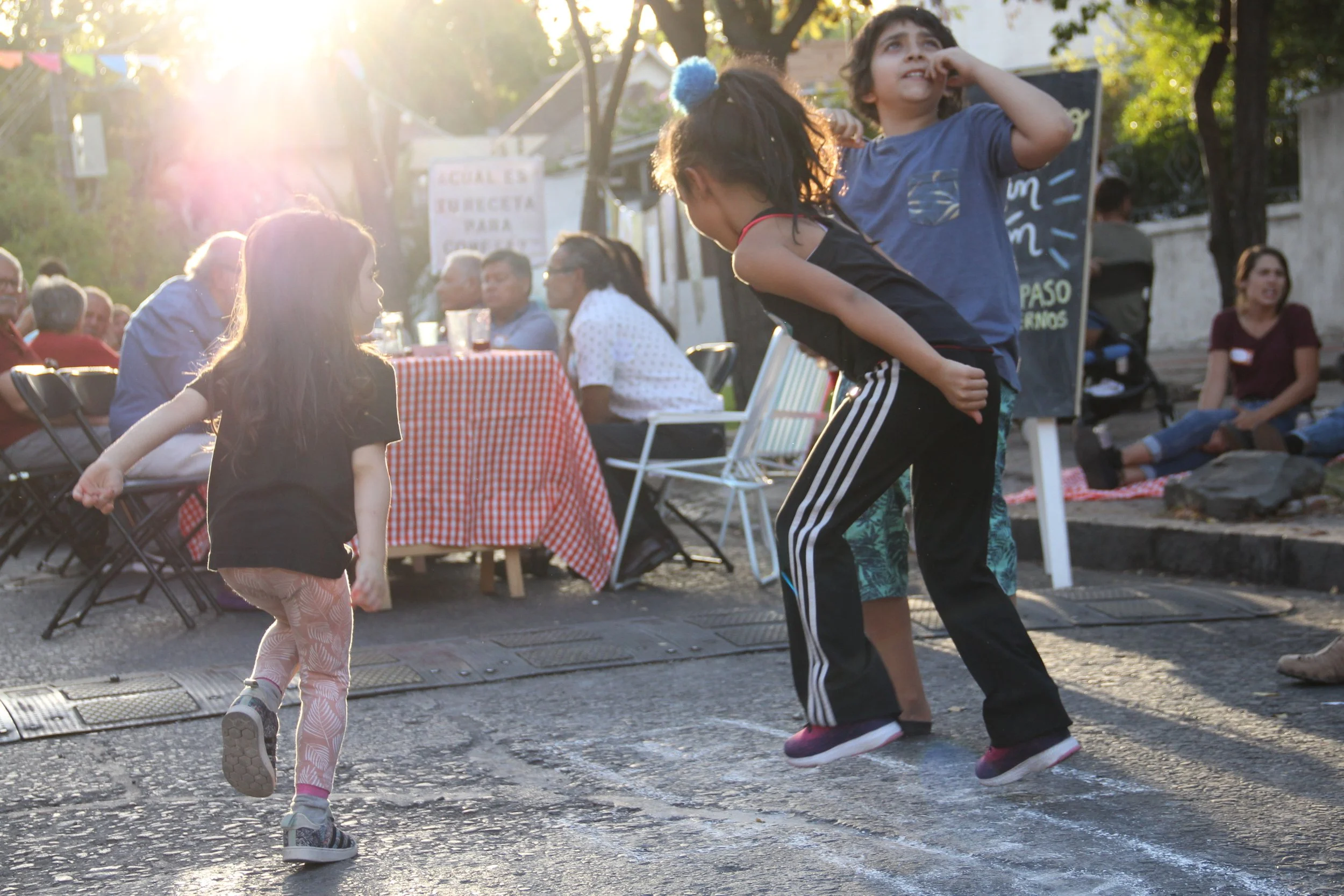
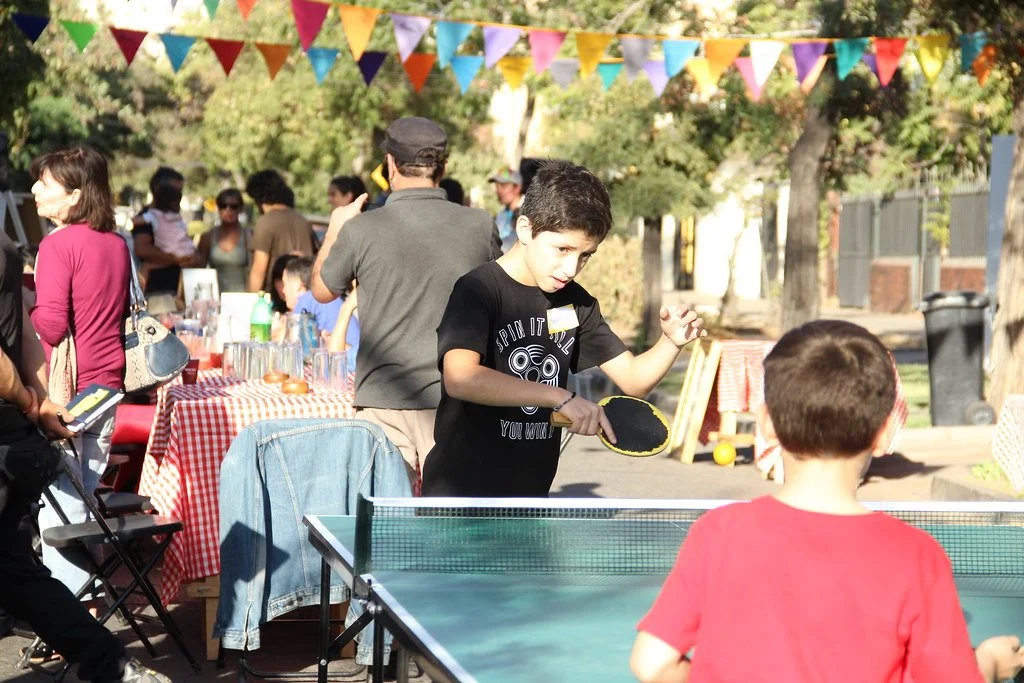
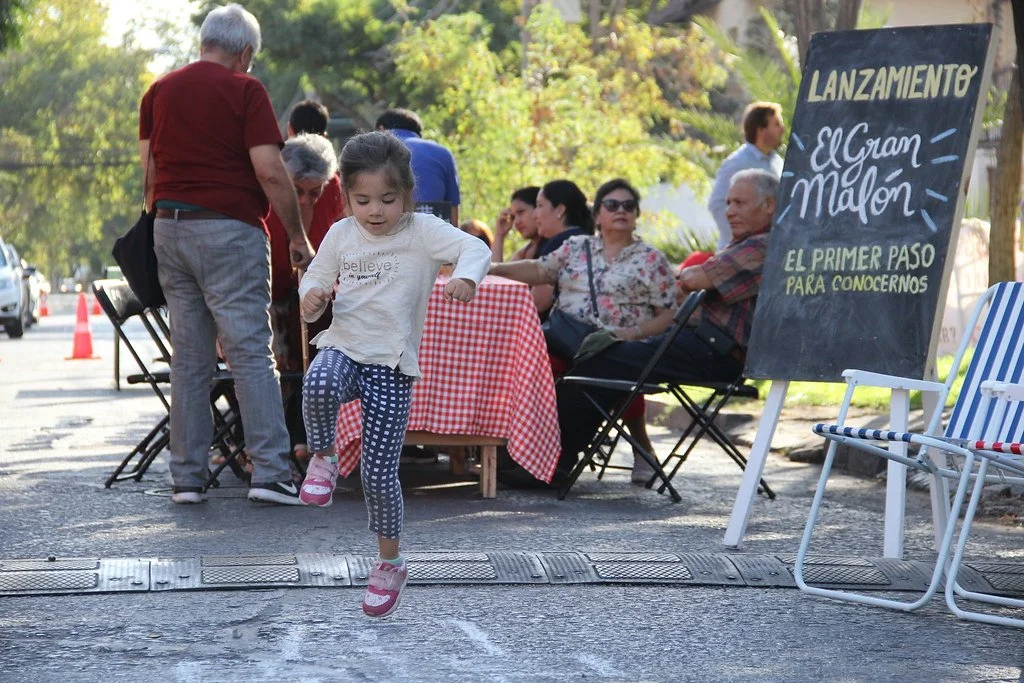
To recover the public space as a place of celebration, coexistence, and community life.
Methodology
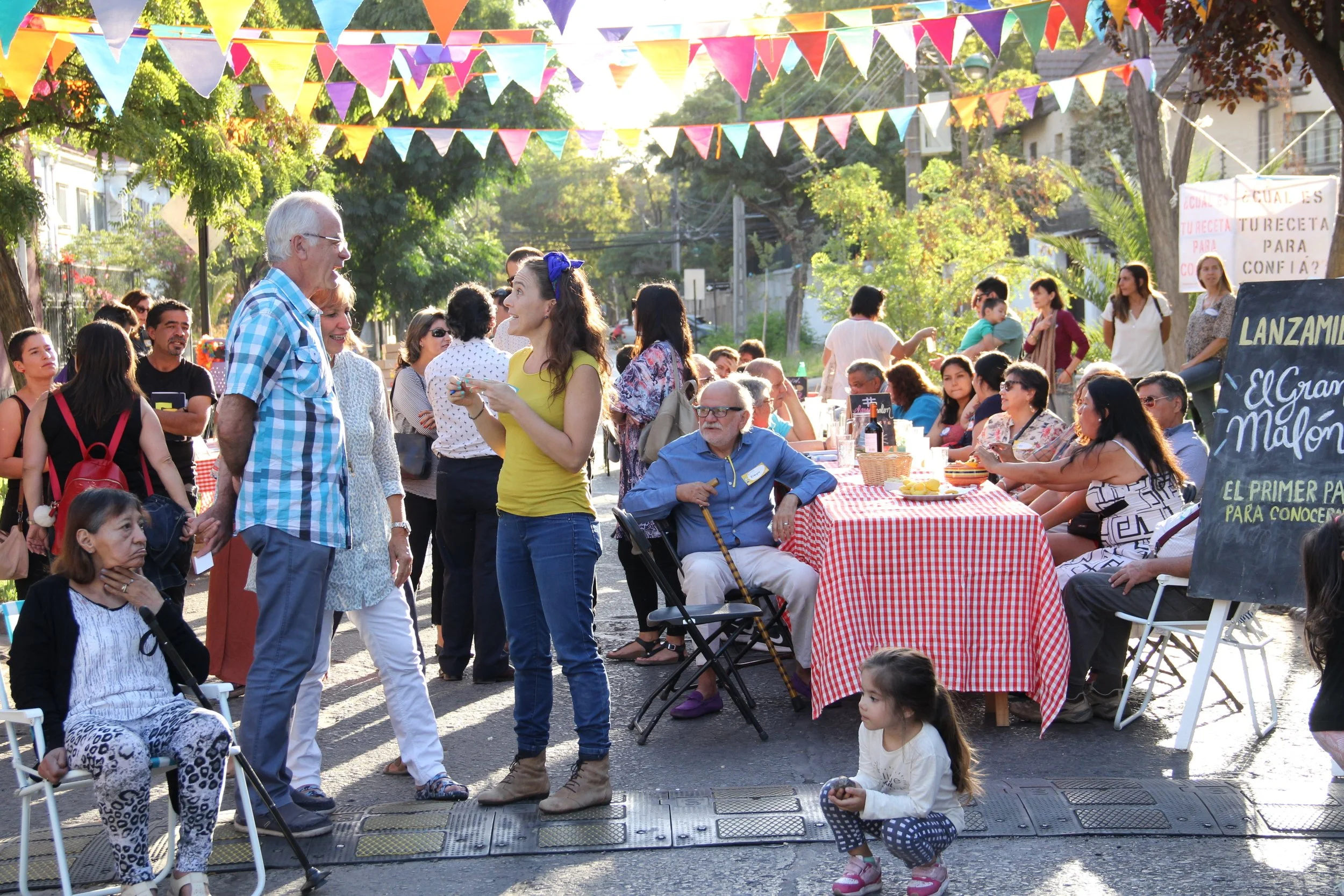
The Great Malón uses food as a tool for social mediation, based on a distributed citizen activation model:
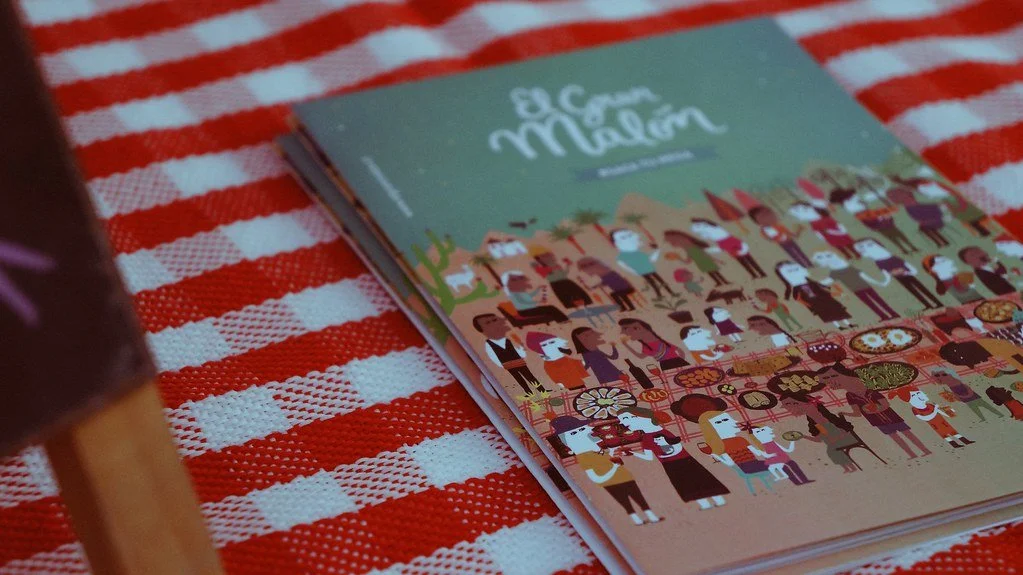
The Malón Kit: Ciudad Emergente provides a methodological guide (Kit) that delivers the "step-by-step" so that any group of neighbors can organize their own collaborative meal autonomously.
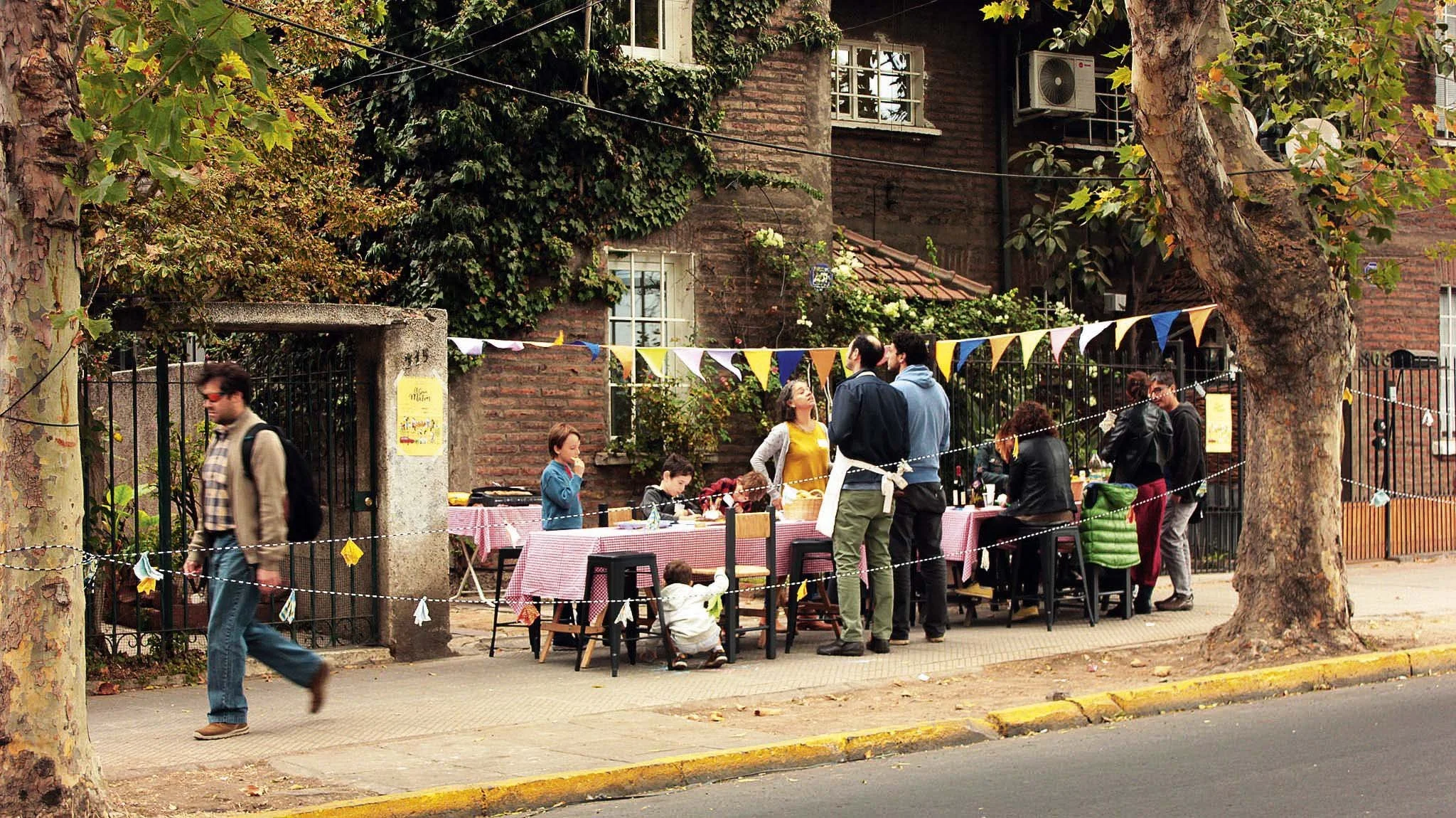
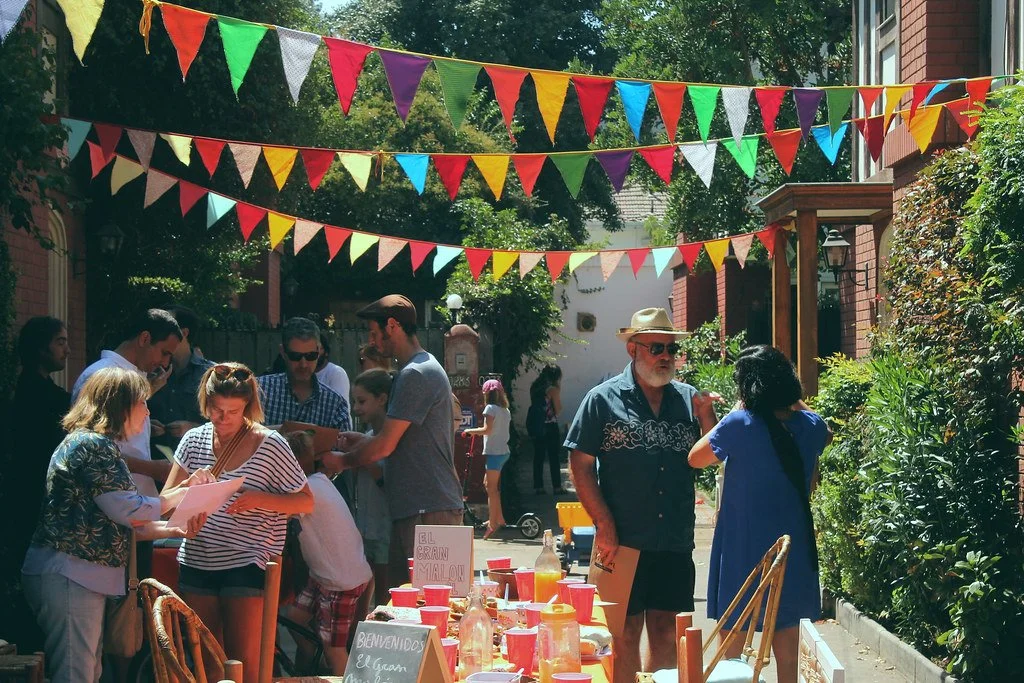
Collaborative Organization: It is based on the premise of "I bring the table, you bring the chair," where the logistics and the food are shared by the participants themselves, eliminating hierarchies.
Urban Malon Tactic: A short-term intervention that temporarily transforms the street into a collective dining room, allowing to test new ways of inhabiting the daily environment.
National Scaling: The coordination of multiple simultaneous malones in different regions to generate a country impact and make visible the strength of community organization.
Clients / Partners
Driven by: Ciudad Emergente.
Historical Alliances: Regional Governments, Municipalities throughout Chile, neighborhood organizations, foundations, and companies committed to social development and sustainability.
Results & Impact
Reduction of Insecurity: The evidence collected indicates that the social cohesion generated by activities such as the malones can reduce the perception of insecurity and criminality in neighborhoods by up to 23%.
Massive Movement: Thousands of people have participated in national versions of the Great Malón, activating hundreds of streets from Arica to Punta Arenas.
Neighbor Trust: The project manages to get neighbors who previously did not greet each other to generate bonds of trust, facilitating community organization for future local challenges.
Replicability: The model has been adapted and replicated in different cultural contexts, demonstrating that the need for encounter is universal.
Conclusions
The Great Malon demonstrates that the most powerful tool to transform the city is, simply, a shared table. Through this tactic, Ciudad Emergente has managed to demonstrate that security and well-being do not only depend on cameras or alarms, but on how strong the social fabric of a neighborhood is. By leaving home and meeting the neighbor, the street stops being a place of passage or fear to become a place of belonging. A country that eats together is a country that is more resilient, secure, and happy.