Shared Cities
Knowledge transfer and South-South cooperation for sustainable development in Central America.
Place
Multitple countries
Year(s)
2017-2018

Objectives
To strengthen decision-making processes in the urban planning of Guatemala and Honduras through the transfer of Tactical Urbanism knowledge.
To install technical capacities in local stakeholders to implement urban solutions centered on people and sustainable development.
To advance the UN 2030 Agenda, directly impacting SDG 11 (Sustainable Cities), SDG 13 (Climate Action), and SDG 16 (Inclusive Societies).
To promote institutional modernization and environmental protection through impact measurement tools and resilient urban tactics.
Methodology
The project is based on a multi-country transfer model focused on territorial co-construction:
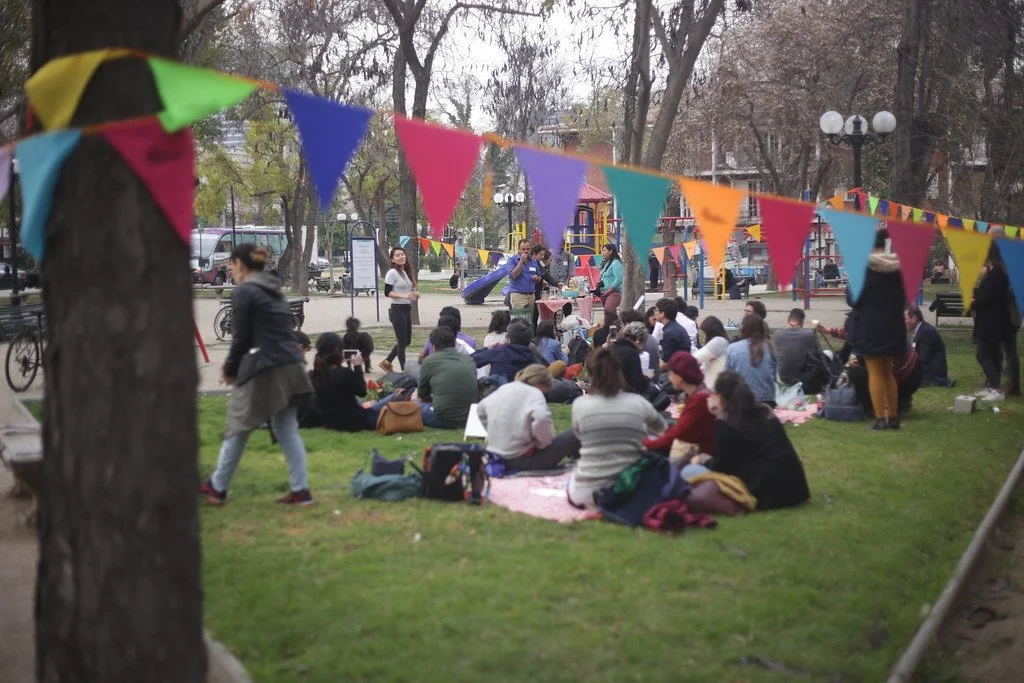
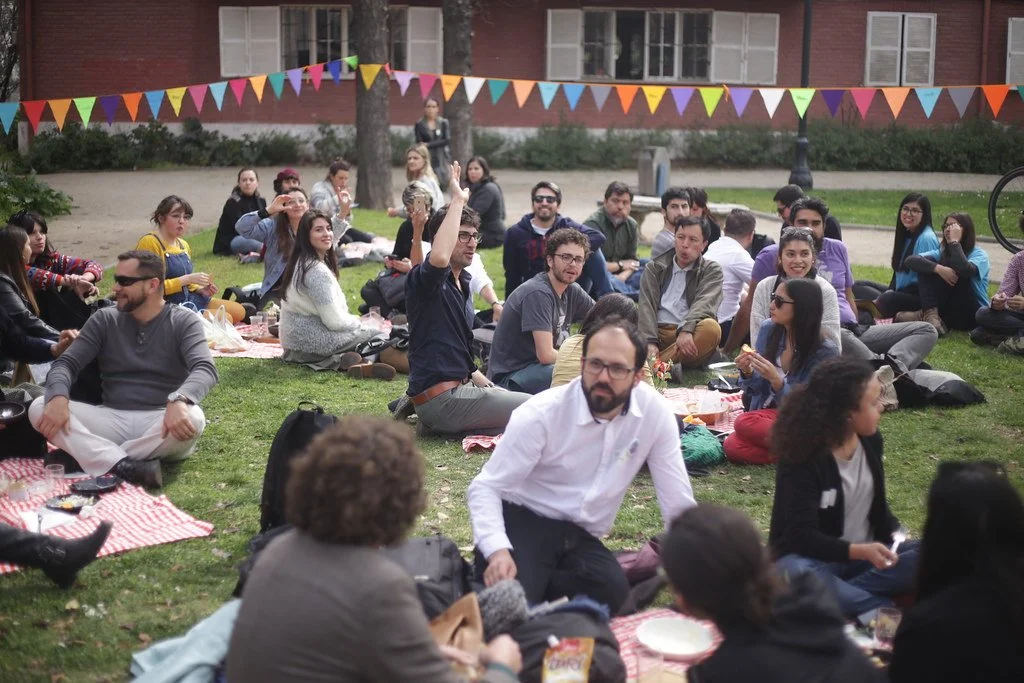
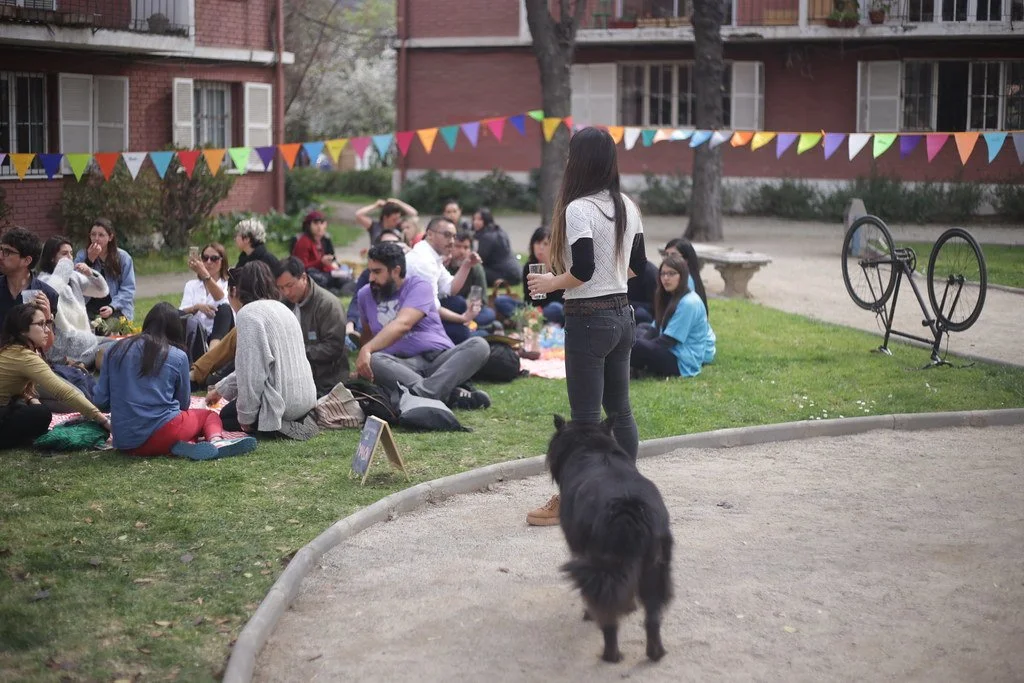
Training and Co-construction: Participatory workshops in Guatemala City (Guatemala) and Danlí (Honduras) to install tactical urbanism methodologies within technical teams and local leaders.
Participatory Space Rehabilitation: Development of master plans for the recovery of public spaces, prioritizing safety, inclusion, and climate resilience.
Tactics and Measurement Tools: Implementation of pilot field interventions that allow for the measurement of social and environmental impacts, providing key data for long-term urban planning.
Multi-stakeholder Coordination: Fostering cooperation networks between local governments, international organizations, and civil society under a sustainable development approach.
Clients / Partners
Funding: Fondo Chile (Government of Chile).
Driving Institutions: Chilean Agency for International Development Cooperation (AGCID) and the United Nations Development Programme (UNDP).
International Execution: Ciudad Emergente Foundation.
Results & Impact
International Advocacy: Consolidation of Ciudad Emergente as a benchmark in South-South Cooperation, bringing Chilean urban innovation experience to international contexts.
Institutional Strengthening: Empowerment of local governments in Guatemala City and Danlí to manage their territories in a more participatory and evidence-based manner.
Public Space Plans: Generation of design tools and plans for urban environments that now feature a resilient vision against climate change.
Inclusive Societies: Promotion of a planning culture where residents are the protagonists in the definition and recovery of their neighborhoods.
Conclusions
Shared Cities demonstrates that urban innovation has no borders. By transferring tactics and measurement tools, Ciudad Emergente not only improves the physical environment of cities in Guatemala and Honduras but also transforms how institutions relate to their citizens. This project is a tangible contribution to the Sustainable Development Goals, validating that the exchange of knowledge between neighboring countries is the most effective route to building just, safe, and future-ready cities.