Walkable Bonilla: Antofagasta
Participatory transformation: from an illegal dumpsite to a safe and functional public space.
Place
Santiago, Chile
Year
2024
Objectives
Reclaim degraded public spaces in the Bonilla sector, transforming them into safe and functional areas for the community.
Eradicate illegal micro-dumpsites through deep cleaning actions and strategic urban design.
Strengthen road safety and pedestrian connectivity in a highly vulnerable area.
Foster community self-management, empowering neighbors to maintain and care for their environment in the long term.
Methodology
The project was executed under a highly participatory tactical urbanism model that included:
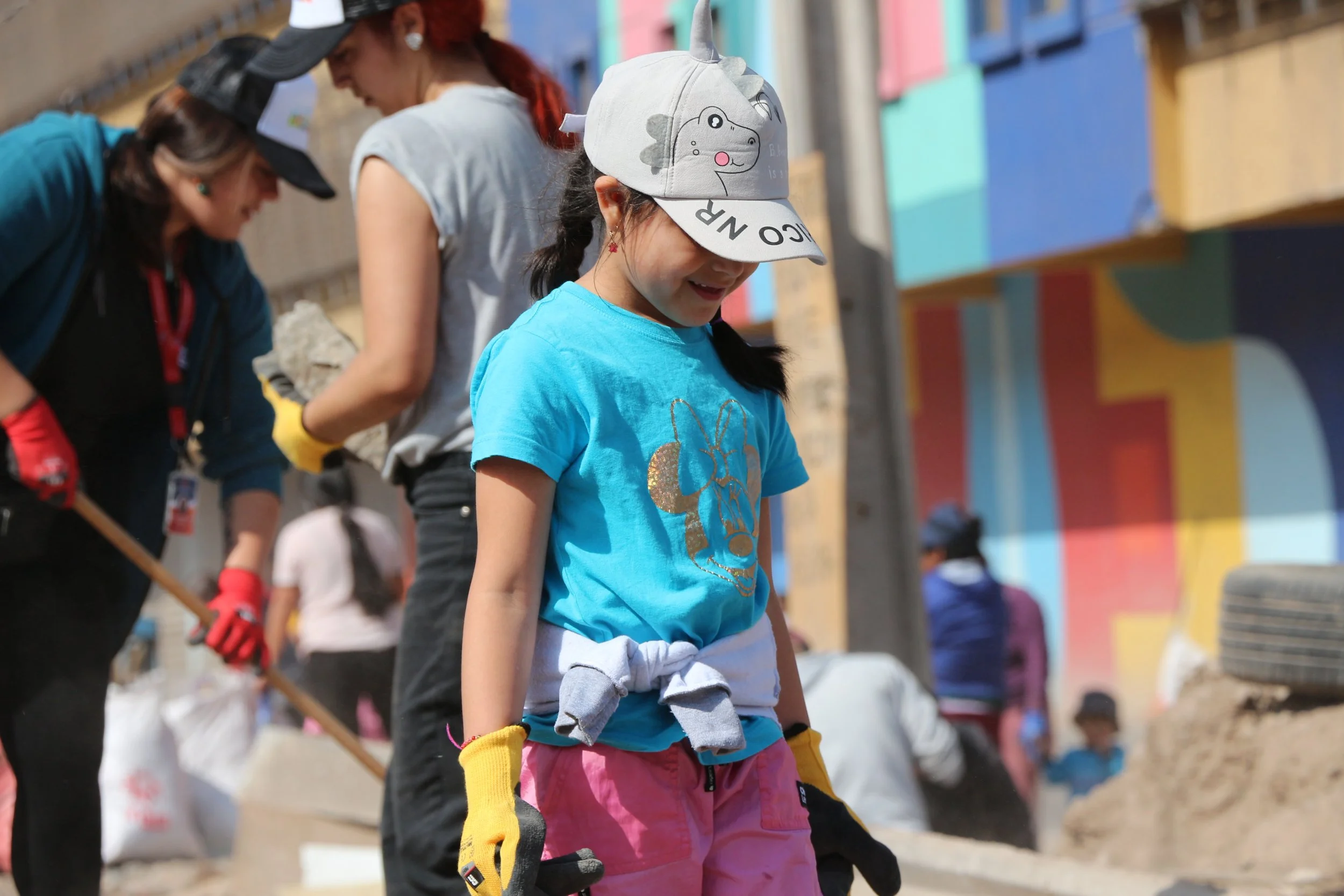
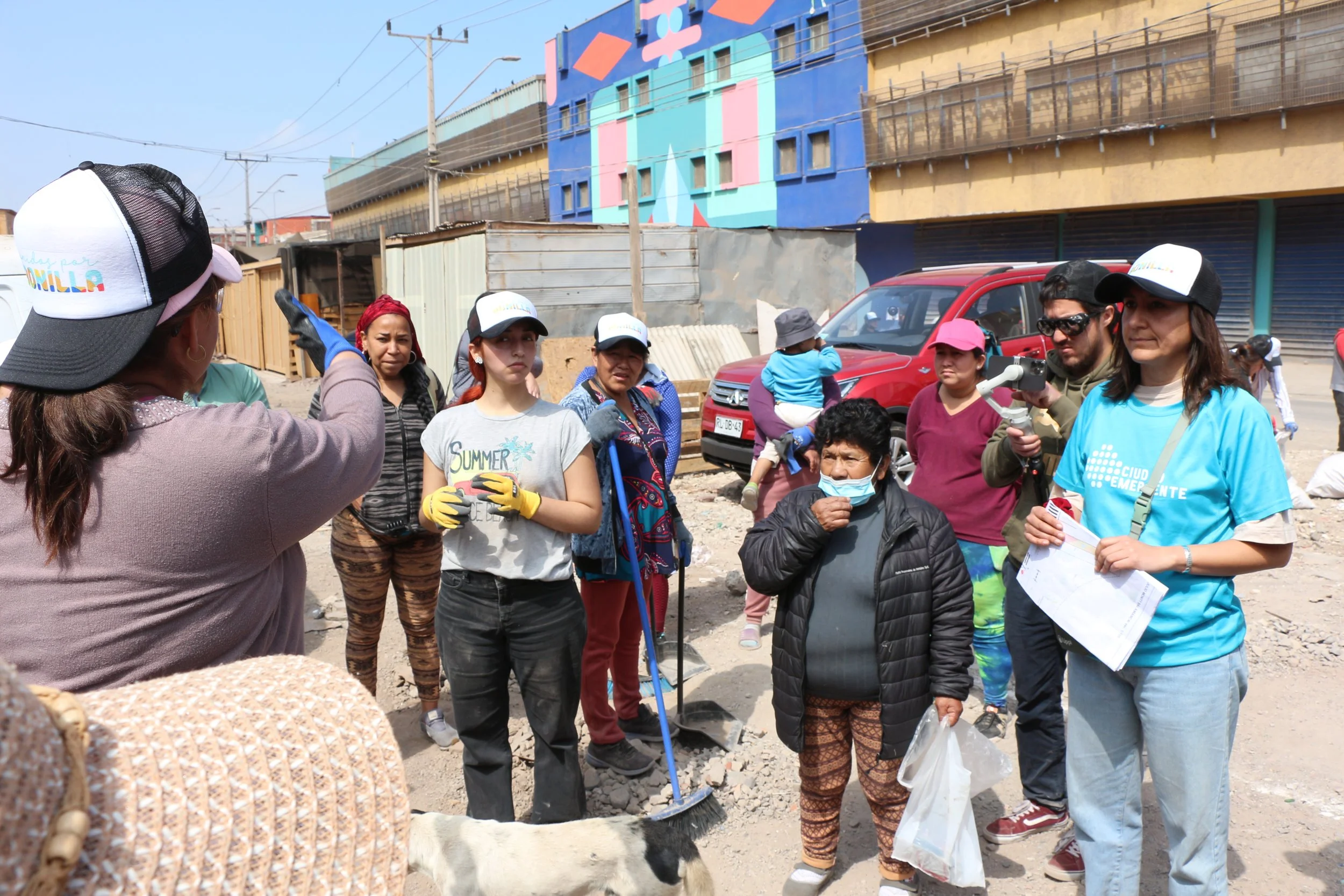
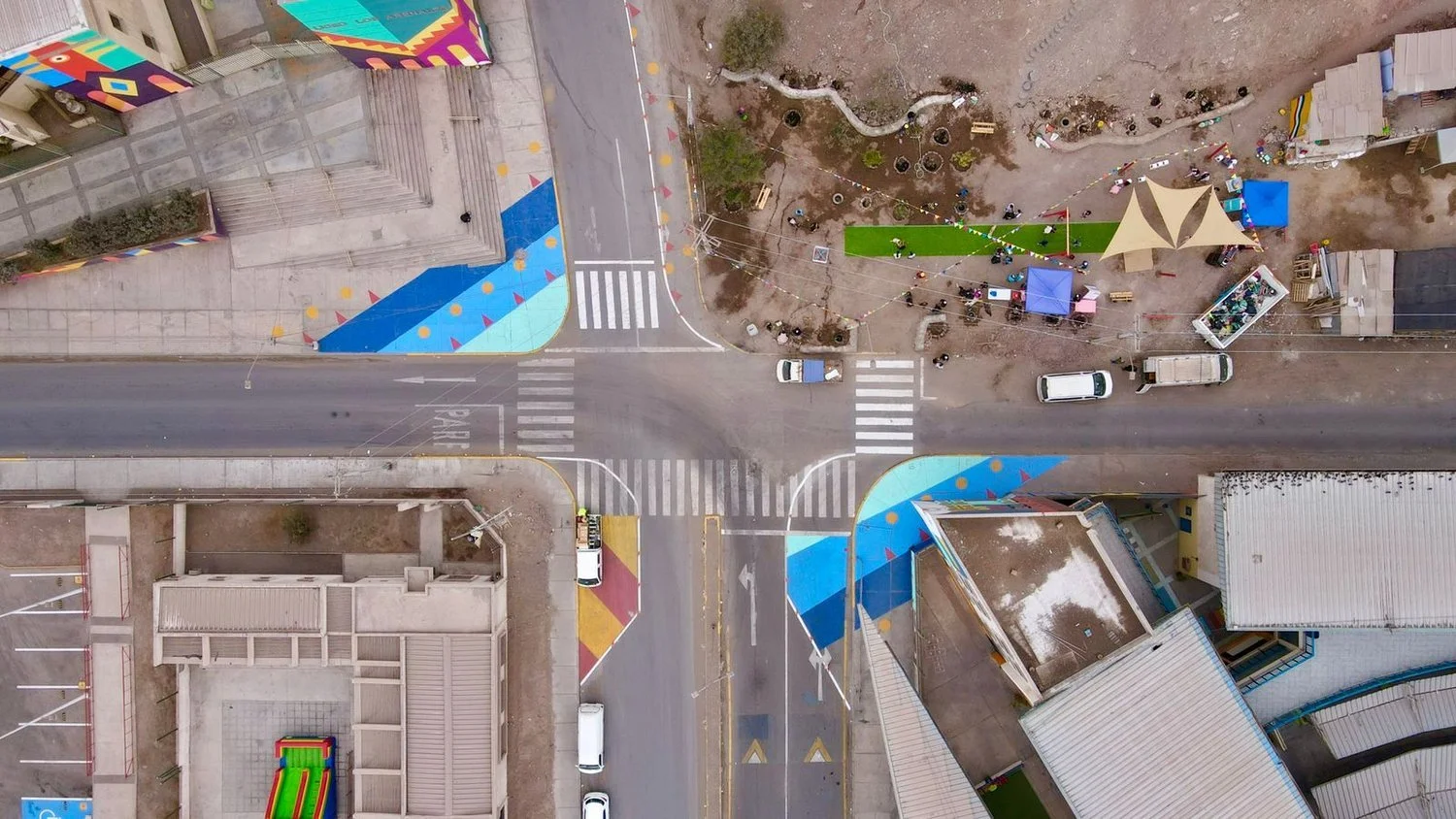
Cleaning and Waste Management: Collaborative action with the company Demarco S.A. to remove over 3 tons of waste, eliminating unsanitary hotspots.
Identity-Based Co-design: Workshops with students from Liceo Los Arenales and Elmo Funes School to define colors, murals, and solutions based on local identity.
Tactical Urbanism Implementation:
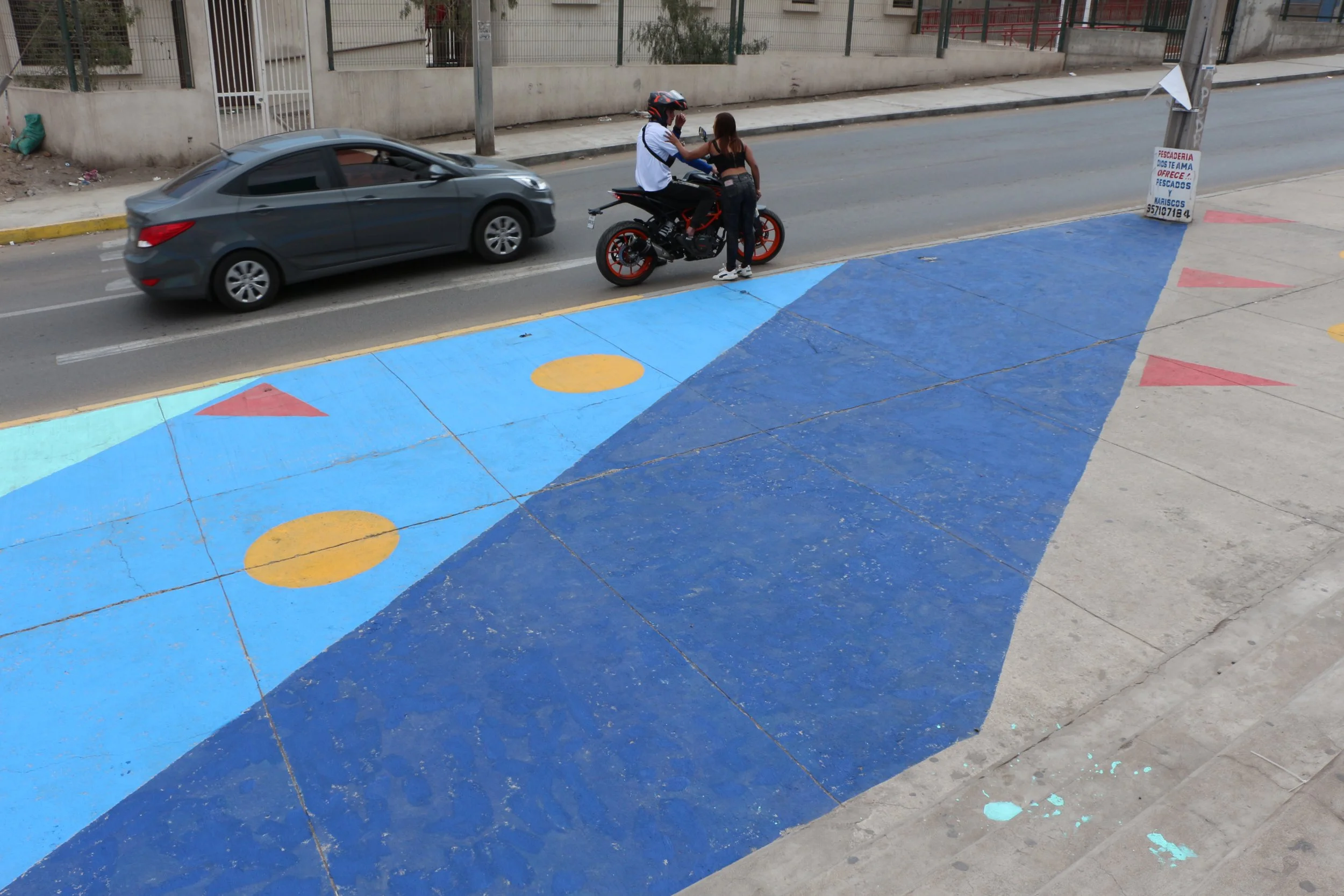
Painting pedestrian crossings to improve road safety.
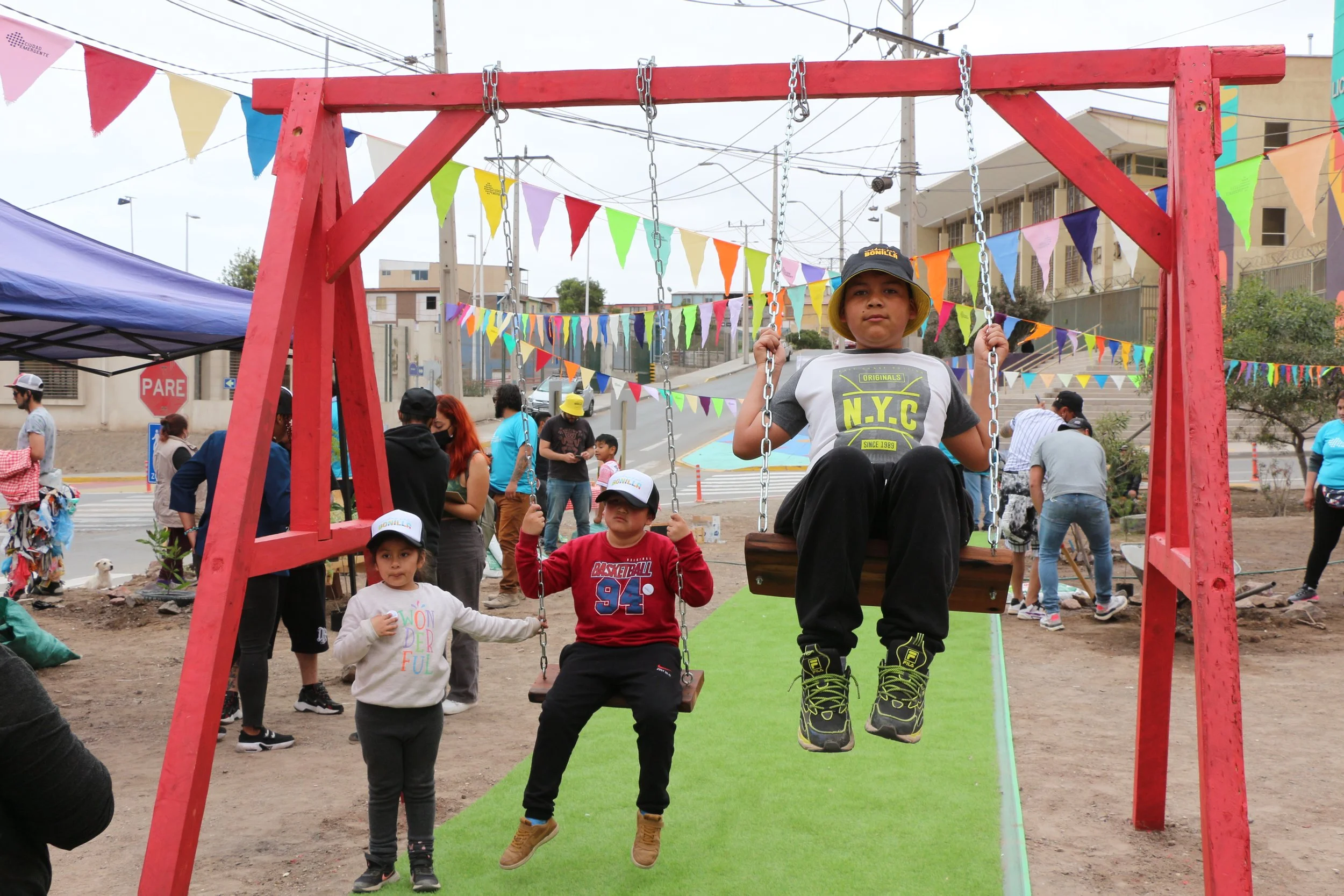
Installing urban furniture and playground equipment.
Incorporating new green areas.
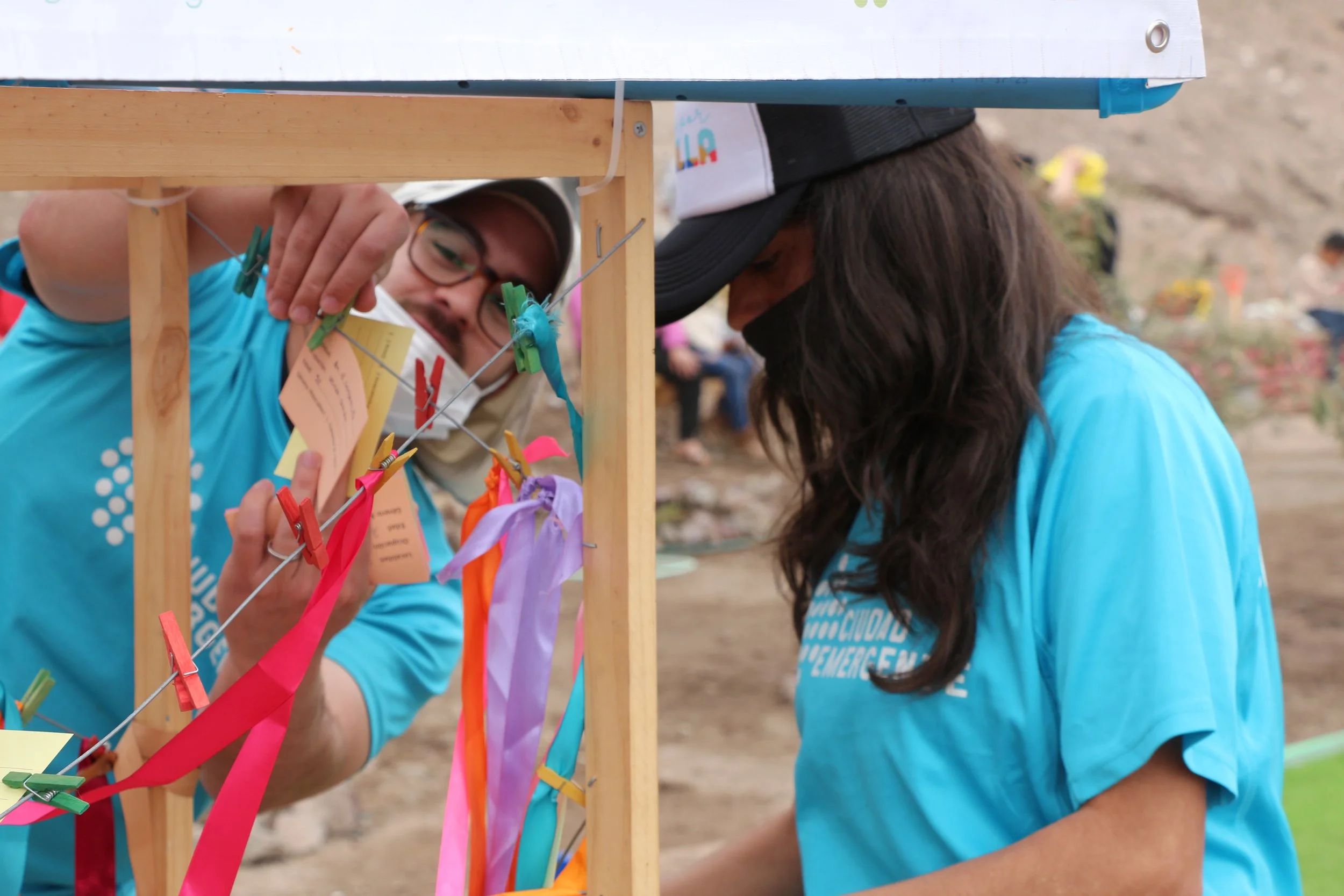
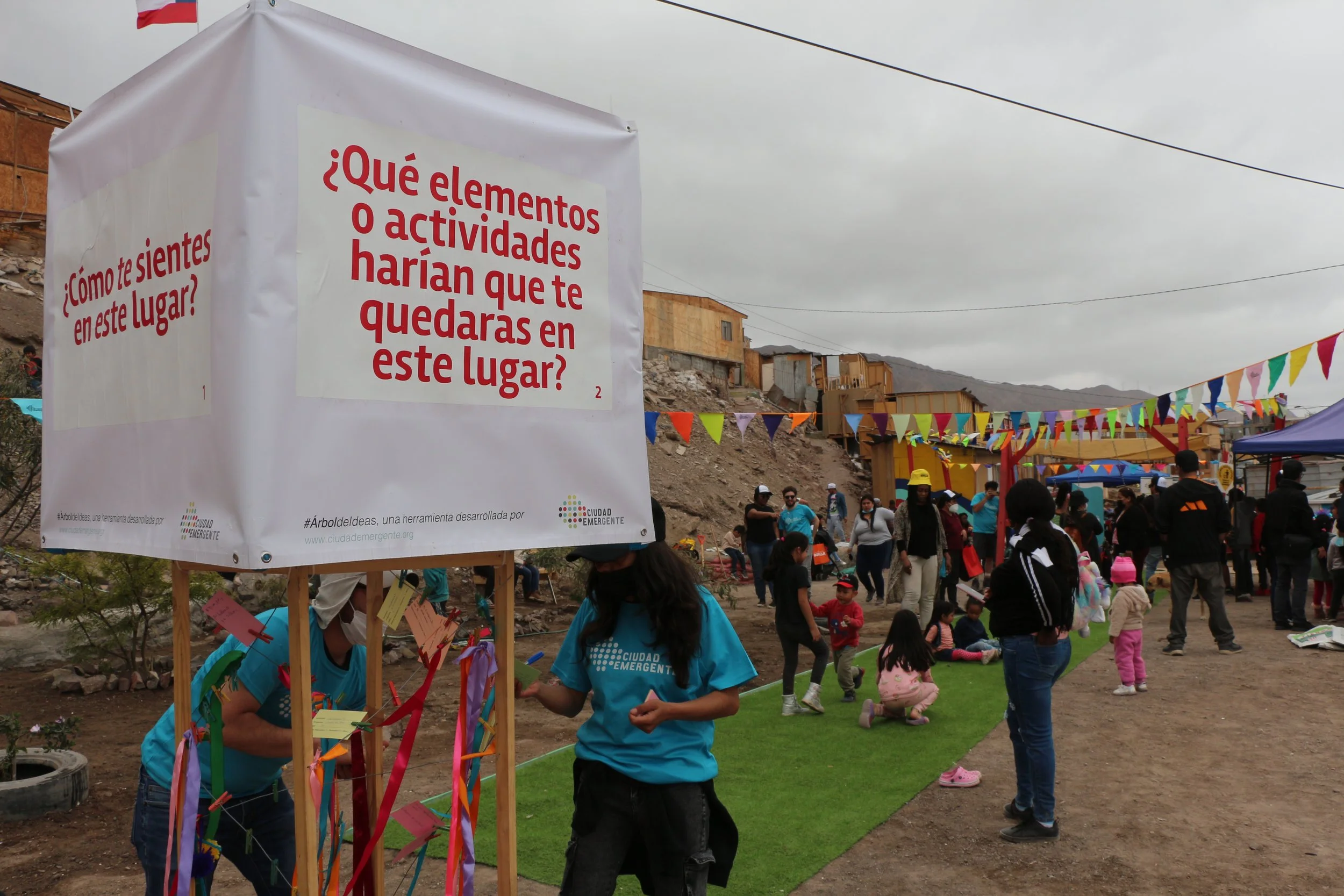
Participatory Design with Neighbors: Working sessions where the community proposed direct ideas to improve space usage and social coexistence.
Clients / Partners
Strategic Alliance: Ciudad Emergente, CREO Antofagasta, the Illustrious Municipality of Antofagasta, and the Regional Government.
Private Collaborators: Demarco S.A.
Community: Liceo Los Arenales, Elmo Funes School, and residents of the Bonilla sector.
Results & Impact
Surface Reclamation: Total transformation of 1,200 m² of previously degraded public space.
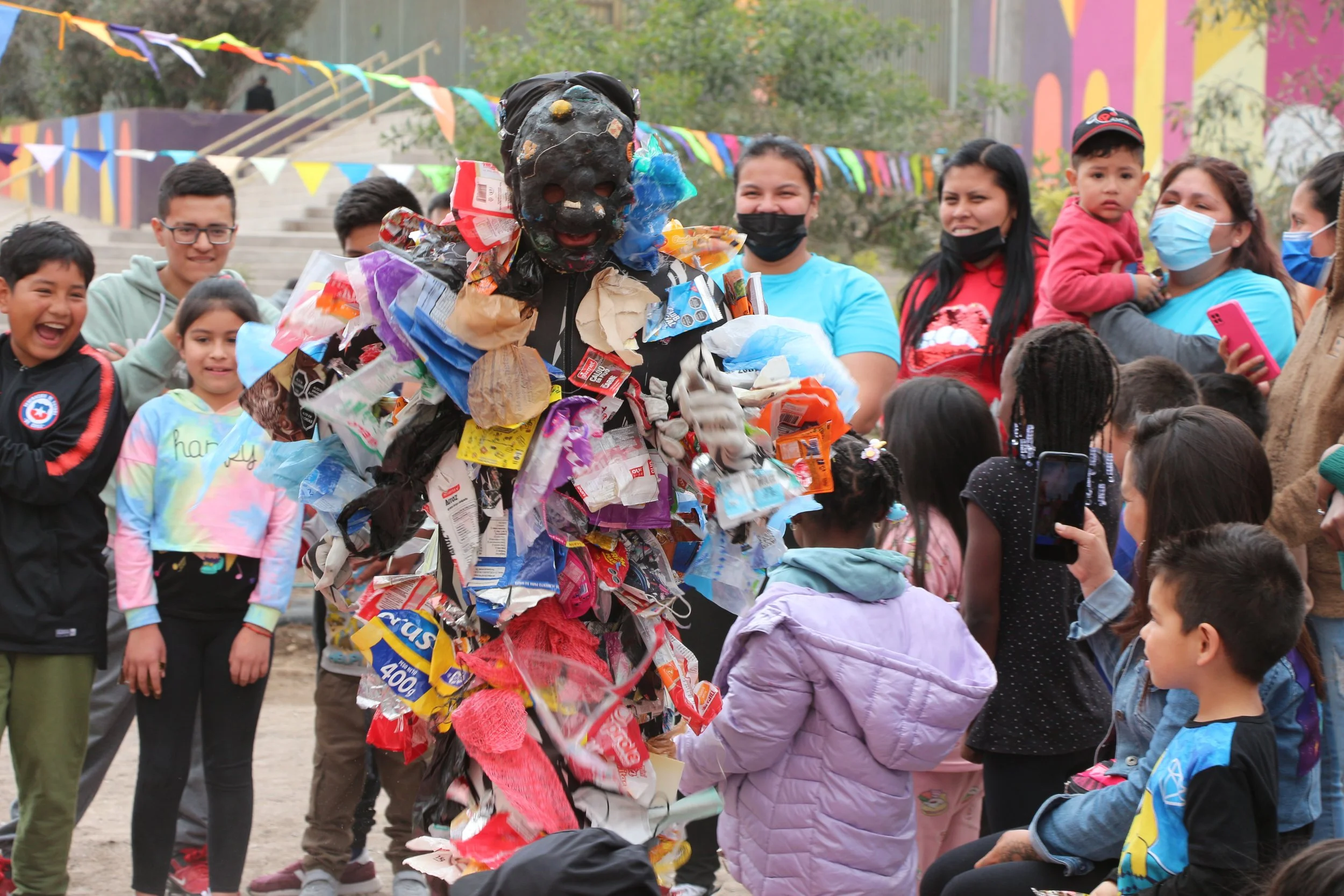
Environmental Impact: Successful removal of 3 tons of waste, raising awareness about environmental preservation.
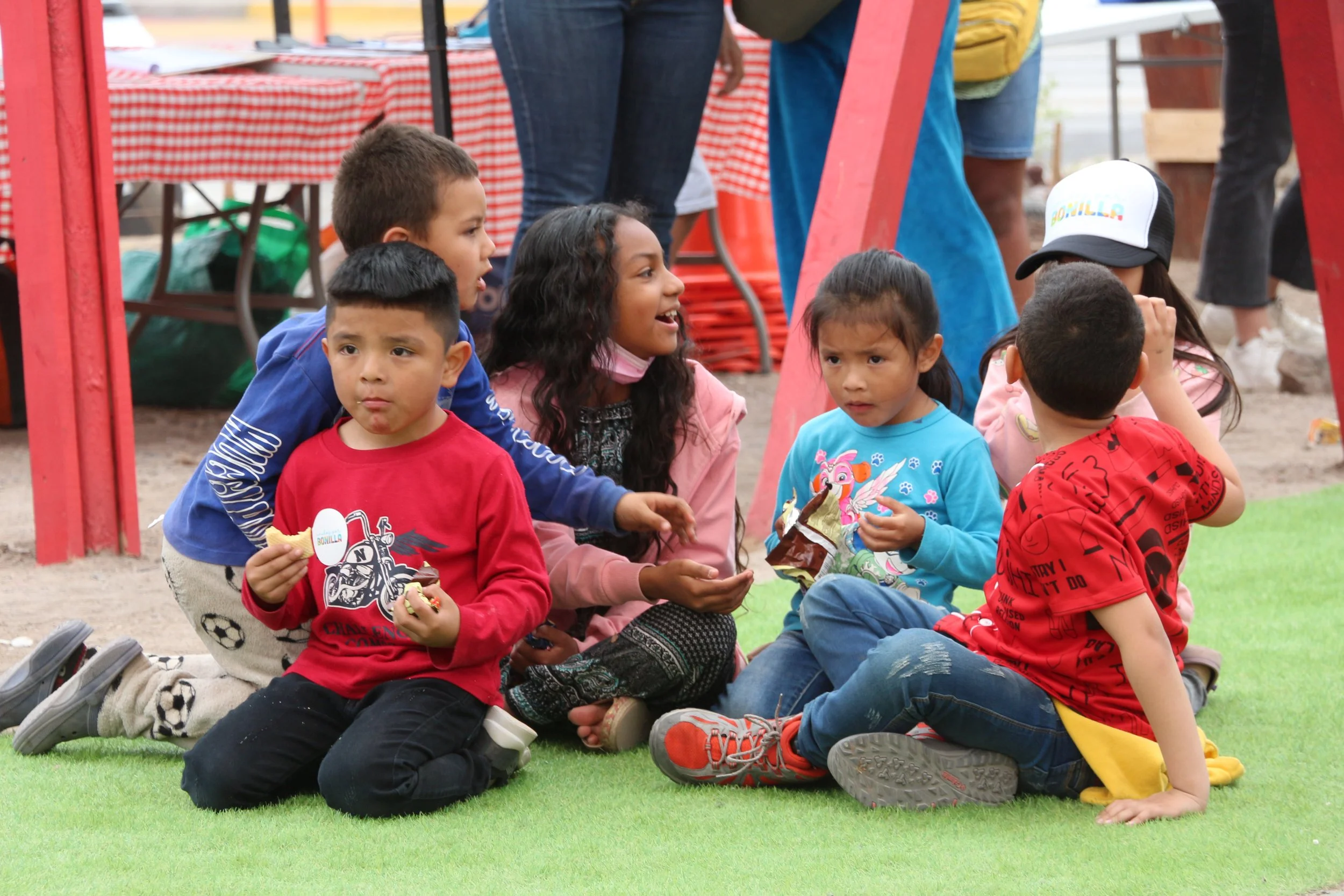
Creation of a Temporary Plaza: The space shifted from an avoided area to a community meeting point that now serves as the foundation for a future permanent intervention.
Sense of Belonging: The involvement of youth and adults reinforced the community's commitment; they now envision the site as a definitive center for recreation and well-being
Conclusions
The Walkable Bonilla project demonstrates that tactical urbanism is a tool for urban healing. By transforming a micro-dumpsite into a plaza through the joint efforts of the public sector, private sector, and the community, it not only improves the neighborhood's aesthetics but also restores the dignity and safety of its inhabitants. This participatory intervention model is replicable in any urban area facing similar challenges of degradation and lack of spaces for coexistence.