Ecological Routes
Urban hiking and environmental education to enhance biodiversity value.
Place
Antofagasta, Chile
Year
2014
Objectives
To bring nature closer to city inhabitants by facilitating access to local ecosystems that are often ignored or underutilized.
To sensitize and raise environmental awareness about the natural wealth, flora, and fauna existing in urban edges and green lungs.
To foster the conservation of critical spaces, such as ravines or wetlands, through direct knowledge and citizen valuation.
To enable light infrastructure and educational signage that allows for the safe and guided exploration of natural heritage.
Methodology
The implementation of Ecological Routes combines the design of trails with scientific and community mediation:
Trail Enablement and Signage: Design and installation of tactical signage for environmental education, facilitating navigation in complex terrains (such as ravines or hills).
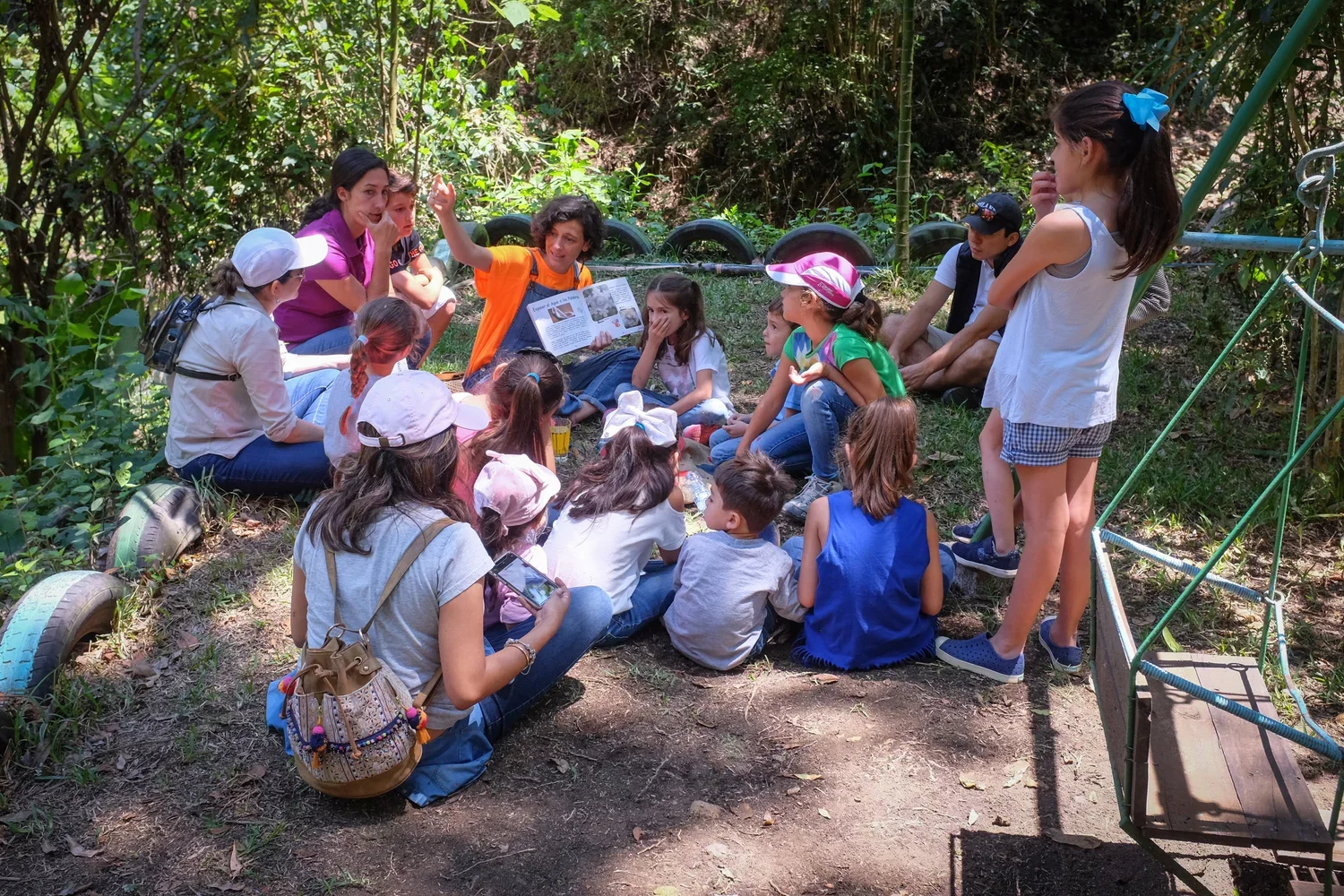
Specialized Guiding: Collaboration with expert conservation organizations to lead interpretive tours that inform about local biodiversity.
Environment Ownership: Integration of the community in the recognition of their own natural assets, transforming "vacant" or "residual sites" into routes of ecosystem value.
Knowledge Transfer: Training local stakeholders to act as permanent guardians and guides for these routes.
Clients / Partners
International (Guatemala): UNDP, Chilean International Cooperation Agency (AGCID), FUNDAECO, The Nature Conservancy (TNC), and Jungla Urbana.
Execution: Ciudad Emergente (within the framework of the Shared Cities for Sustainable Development project).
Results & Impact
Access to the "Urban Jungle": In Guatemala City, trails were successfully enabled and signposted within ravines—vital ecosystems previously perceived as inaccessible or dangerous.
Ecological Literacy: Hundreds of people were educated about the diverse species of flora and fauna cohabiting the city, fostering a shift in perception toward environmental protection.
Regional Conservation Network: Strengthening the alliance between international and local environmental organizations, using tactical urbanism as a bridge.
Well-being Promotion: Generation of spaces for active recreation and contact with nature, improving the mental and physical health of citizens through mindful walking.
Conclusions
Ecological Routes demonstrates that nature is not "outside" the city but pulses at its edges and corners. Through this tactic, Ciudad Emergente succeeds in transforming environmental protection into a living, walkable experience. This project confirms that to conserve, one must first know; by equipping natural spaces with infrastructure for learning, we are sowing the seeds of a more conscious citizenship committed to the ecological heritage of their territories.