Sustainable Urban Mobility Plan (SUMP)
Design strategies and participatory validation for the future of mobility in Honduras.
Place
Comayagua, Honduras
Year(s)
2019 - 2022
Objectives
To design a technical roadmap with a 10-year horizon to transform Comayagua’s mobility toward a more sustainable model.
To analyze mobility behavior and existing infrastructure to efficiently meet the community's travel needs.
To test design solutions in real-time through tactical urbanism interventions prior to their definitive implementation.
To foster citizen participation and volunteering, involving the community in the diagnosis and improvement of their environment.
Methodology
The development of the SUMP (PMUS in Spanish) integrated technical data analysis with experimentation in public space:
Data and Flow Analysis: Collection and processing of complex information regarding resident movement patterns and the state of road infrastructure.
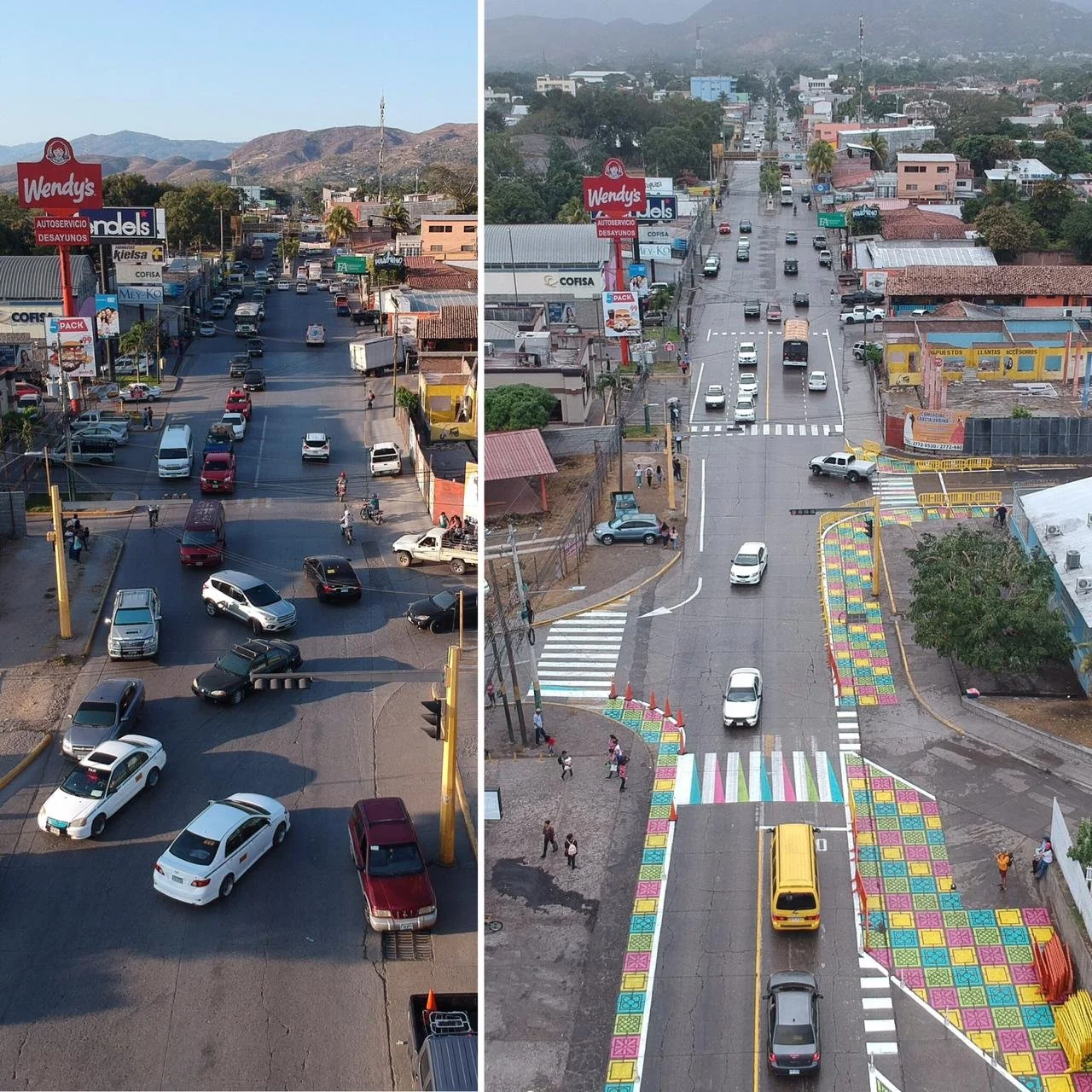
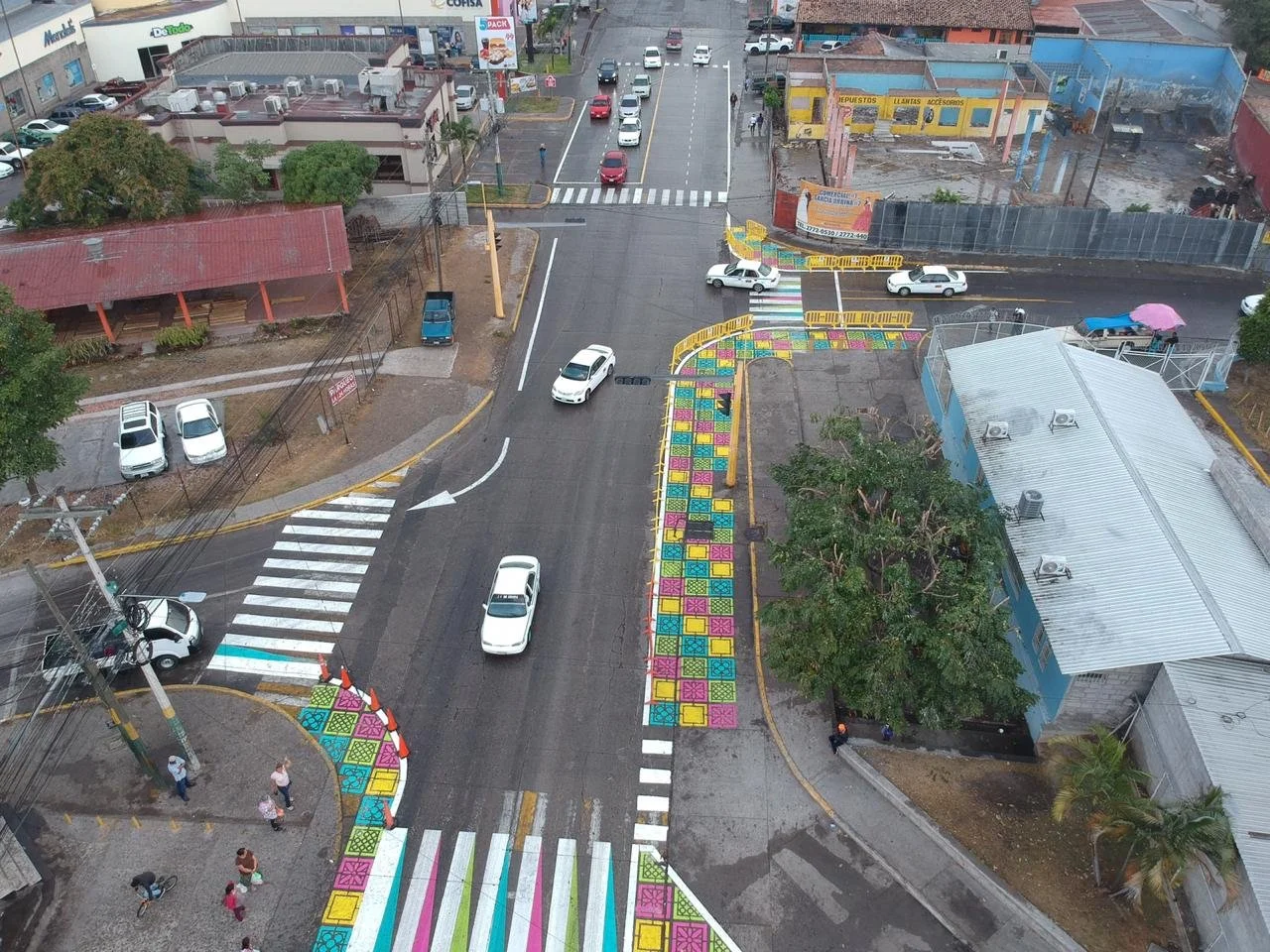
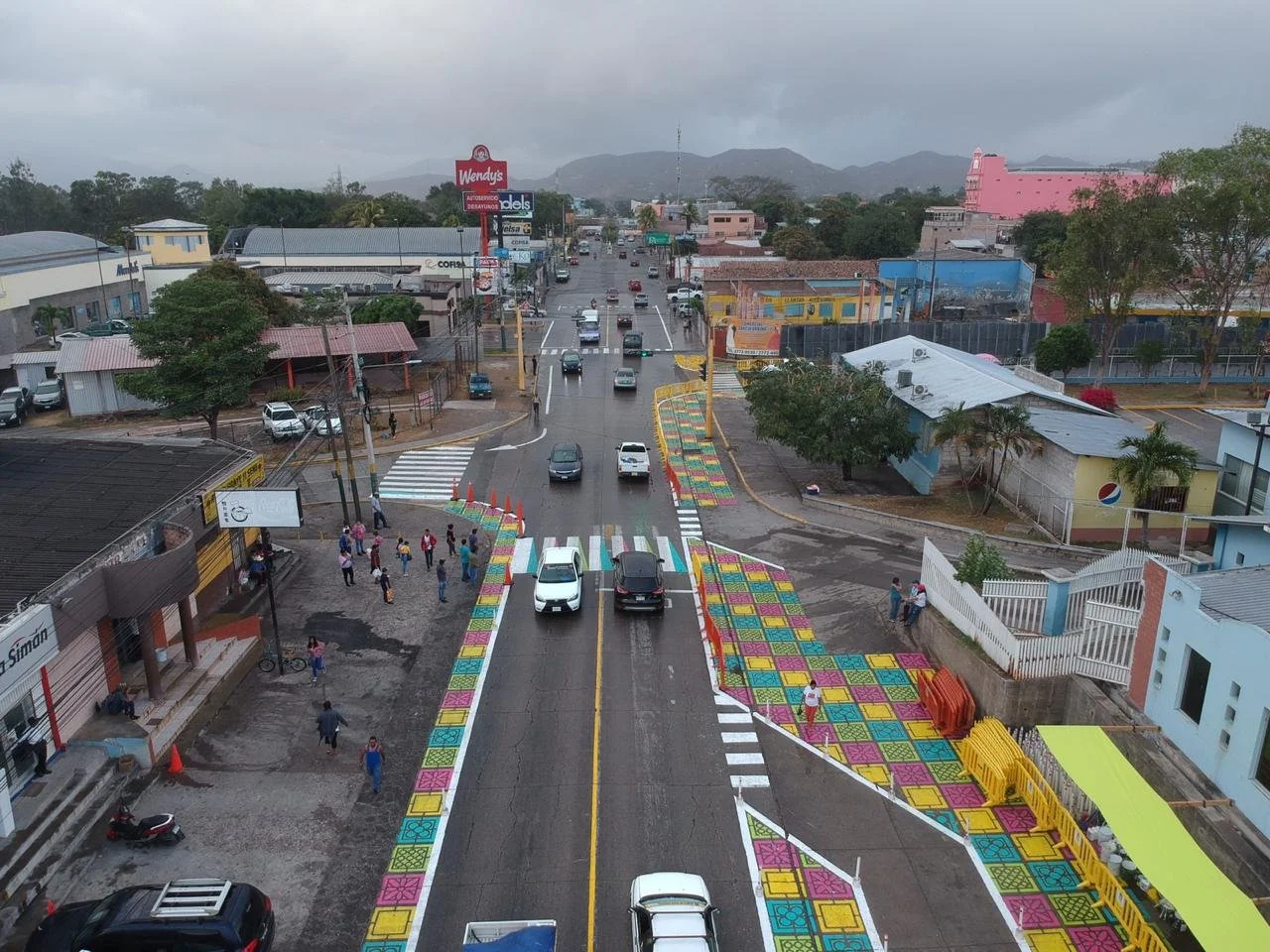
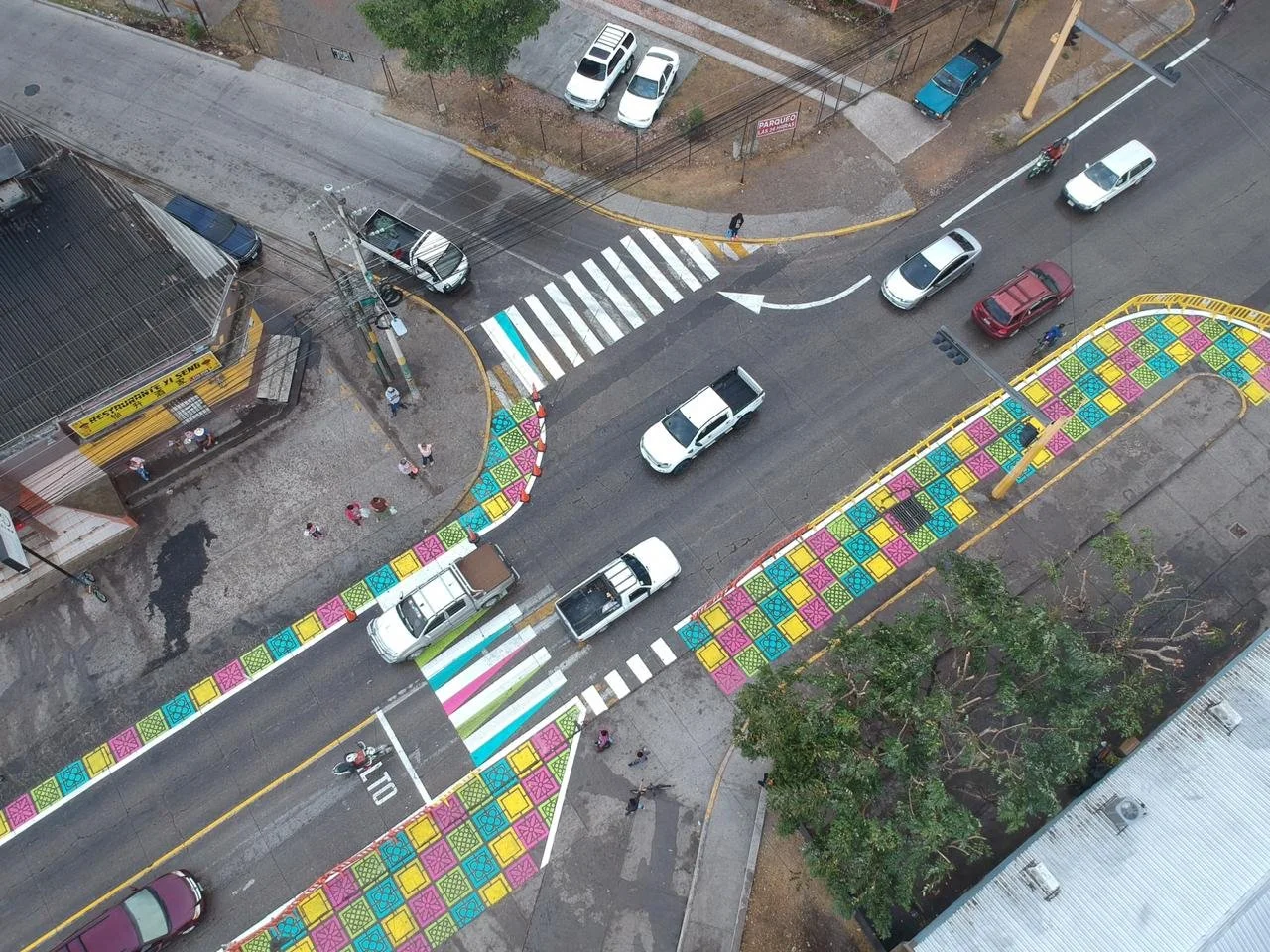
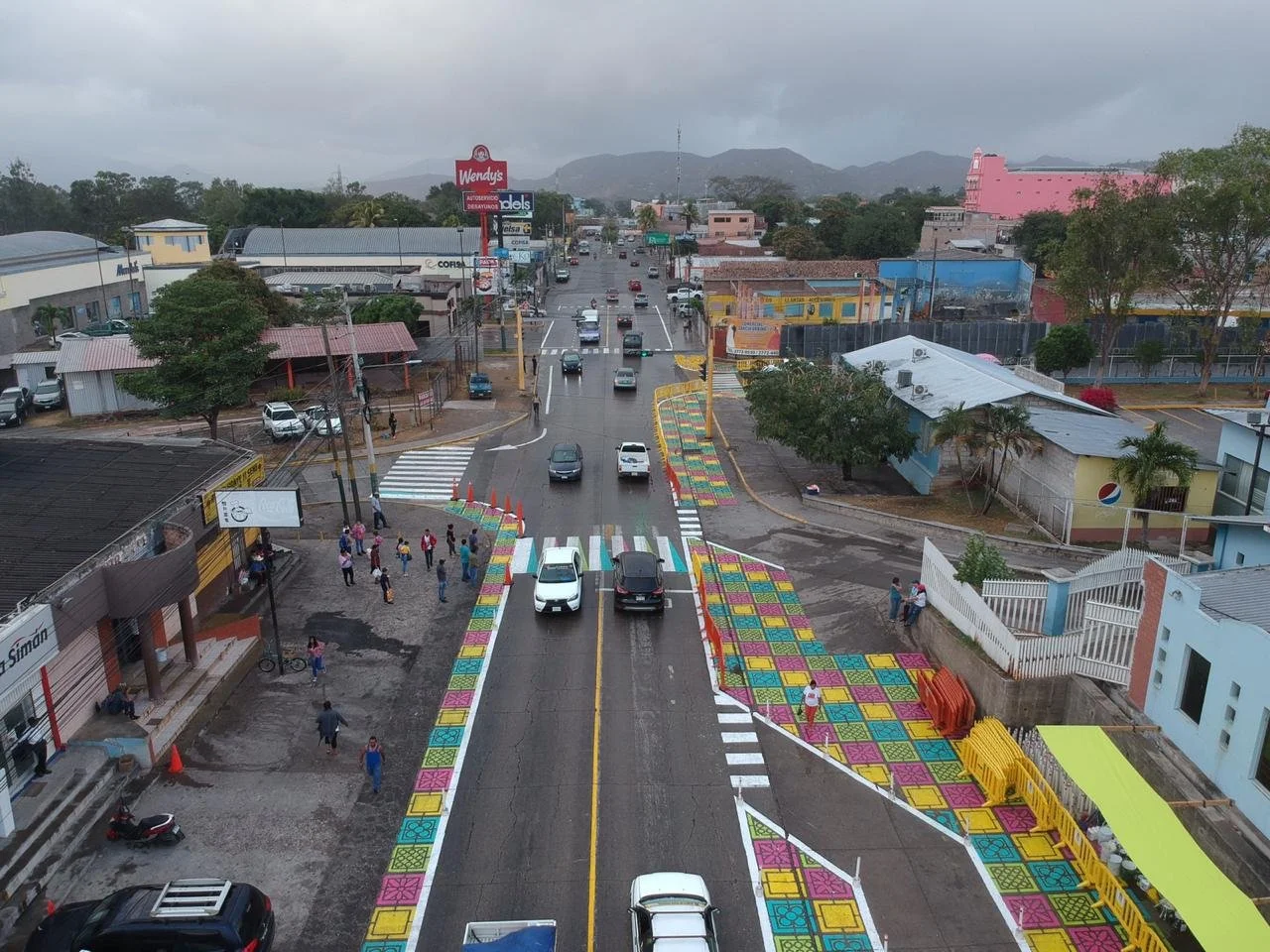
Validation via Tactical Urbanism: Implementation of a pilot project on Boulevard IV Centenario (in front of the Regional Hospital) to test design strategies proposed in the master plan.
Road Space Redesign:
Pedestrian Priority: Expansion of zones for pedestrians and public transport users.
Road Safety: Creation of safe pedestrian crossings and road organization to improve coexistence between different transport modes.
Transport Comfort: Installation of a temporary bus stop to enhance the waiting experience.
Perception Surveys: Utilizing the intervention to collect direct user feedback on the functionality and aesthetics of the proposals.
Clients / Partners
Client: Municipality of Comayagua (Honduras).
International Cooperation: Regional Government of Andalusia (Spain).
Execution: Ciudad Emergente.
Results & Impact
Evidence for Planning: The pilot allowed for the adjustment of SUMP proposals based on real usage data and citizen behavior at a critical point in the city (hospital sector).
Immediate Environment Improvement: Successful traffic management and increased safety for the most vulnerable users in a high-traffic area.
Social Capital Activation: The call for volunteers strengthened the community's sense of belonging and commitment to their city's urban transformations.
Long-Term Vision: The success of the intervention validated the design strategies that will guide mobility investment in Comayagua over the next decade.
Conclusions
The Comayagua SUMP demonstrates that urban planning should not be merely a desk exercise. By using tactical urbanism as a diagnostic tool, Ciudad Emergente and the Municipality of Comayagua succeeded in bringing a complex plan down to a human scale. This methodology ensures that the 10-year mobility plan is not only technically sound but also socially validated, guaranteeing that future investments truly respond to how people live and inhabit their streets.