
Metropolitan Bike Lane
Sustainable mobility and redesign of Santiago’s most important thoroughfare.
Place
Santiago, Chile
Year
2024
Objectives
Transform Santiago’s main axis through a high-standard, 8-kilometer bike lane network extending from Pajaritos to Plaza Italia.
Promote the use of the bicycle as an ecological, safe, and efficient means of transportation.
Reduce traffic congestion and lower CO2 emissions to mitigate the environmental impact on the capital.
Ensure urban equity and accessibility, facilitating effective intermodal connections with the public transportation system.
Methodology
The project was developed under a model of collaborative urban design and field validation:
Diagnostic Bike-Route: Local cyclists rode along the axis, evaluating real-time safety factors, signage, congestion, and comfort to generate technical data based on user experience.
Idea Tree: Implementation of this interactive tool to gather citizen expectations and perceptions regarding the proposed infrastructure.
Communal Workshops: Working sessions in Lo Prado, Estación Central, and Santiago to raise awareness about sustainable mobility and integrate residents' visions into the planning process.
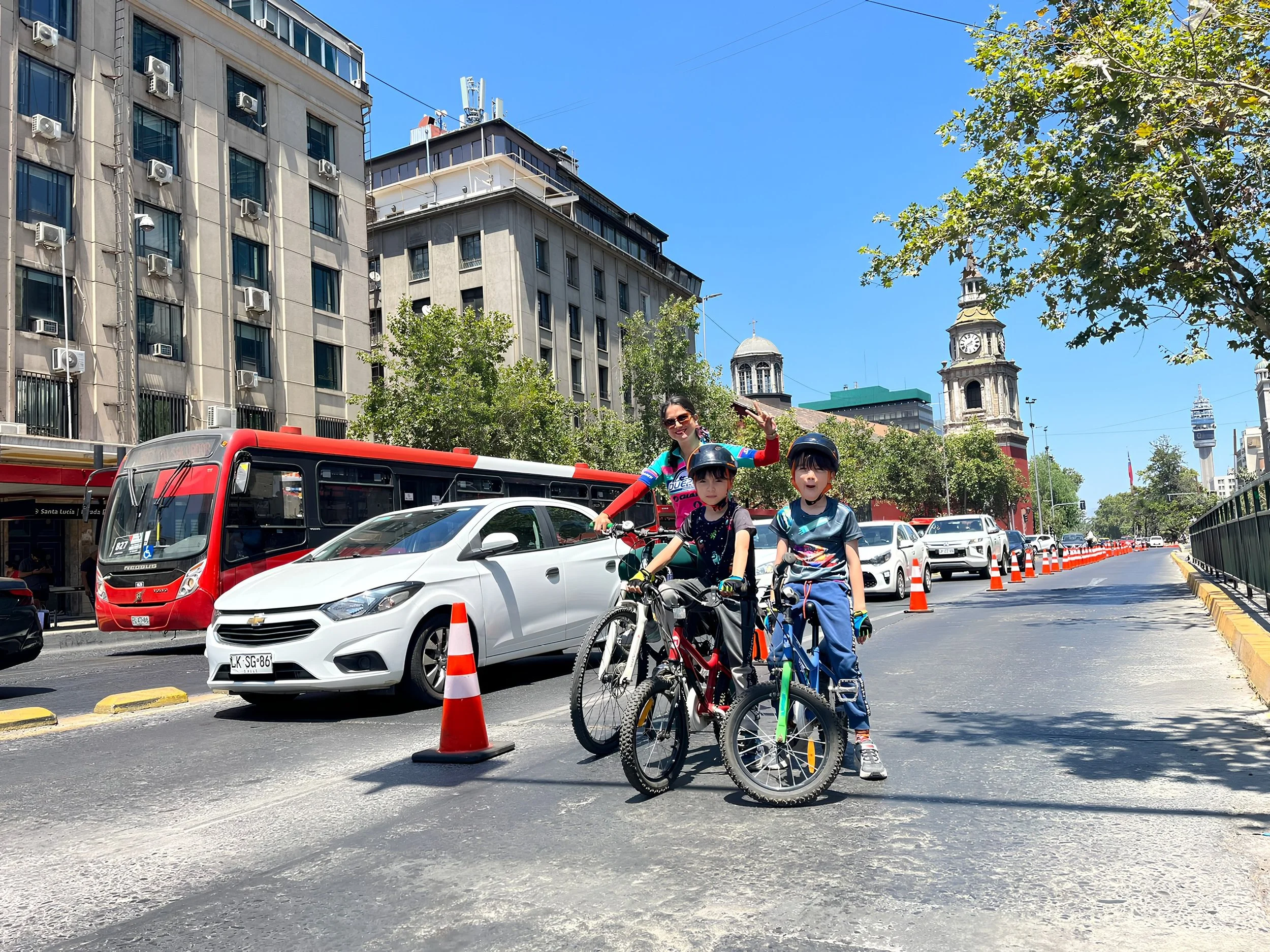
Experimental Bike Lane: Activation of a full-scale prototype to test the design with cycling organizations and citizens before final construction, evaluating its functionality and safety under real conditions.
Clients / Partners
Context: Part of the comprehensive "Nueva Alameda" (New Alameda) project.
Public-Private Alliance: Metropolitan Regional Government of Santiago, ministries, municipalities along the Alameda axis, and Ciudad Emergente.
Collaborators: Cycling organizations and local communities from the participating municipalities.
Results and Impact
Strategic Connectivity: Integration of 8 km of cycling infrastructure in the heart of the city, connecting Santiago’s key hubs in a fluid and comfortable manner.
User-Validated Design: Thanks to participatory methodologies, the final design addresses the real safety challenges identified by the cyclists themselves.
Citizen Consensus: The workshops helped reduce resistance to change, transforming the infrastructure into a project socially validated by the residents of Lo Prado, Estación Central, and Santiago.
Future Vision: The project reinforces the capital’s image as a modern metropolis aligned with international standards for sustainable mobility and carbon footprint reduction.
Conclusions
The Metropolitan Bike Lane represents a fundamental shift in the hierarchy of street use in Chile. By placing cyclists at the center of the Alameda axis, the project demonstrates that it is possible to redistribute public space in a fairer and more equitable way. The key to this process was the active participation methodology, which allowed for the transition from a rigid technical design to one that is human-centered and functional, substantially improving quality of life in the city.
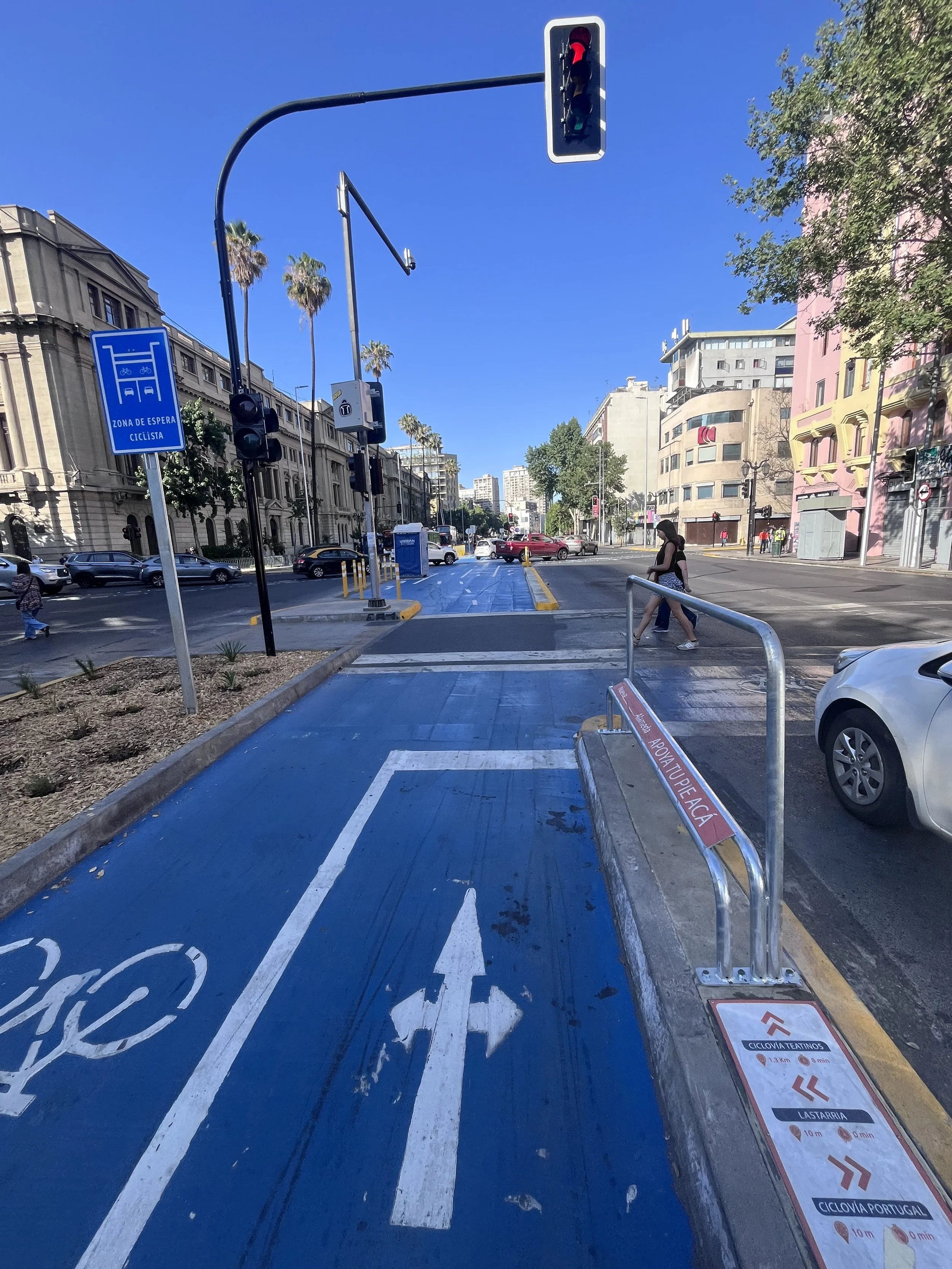
INFRAESTRUCTURA DEFINITIVA 2025
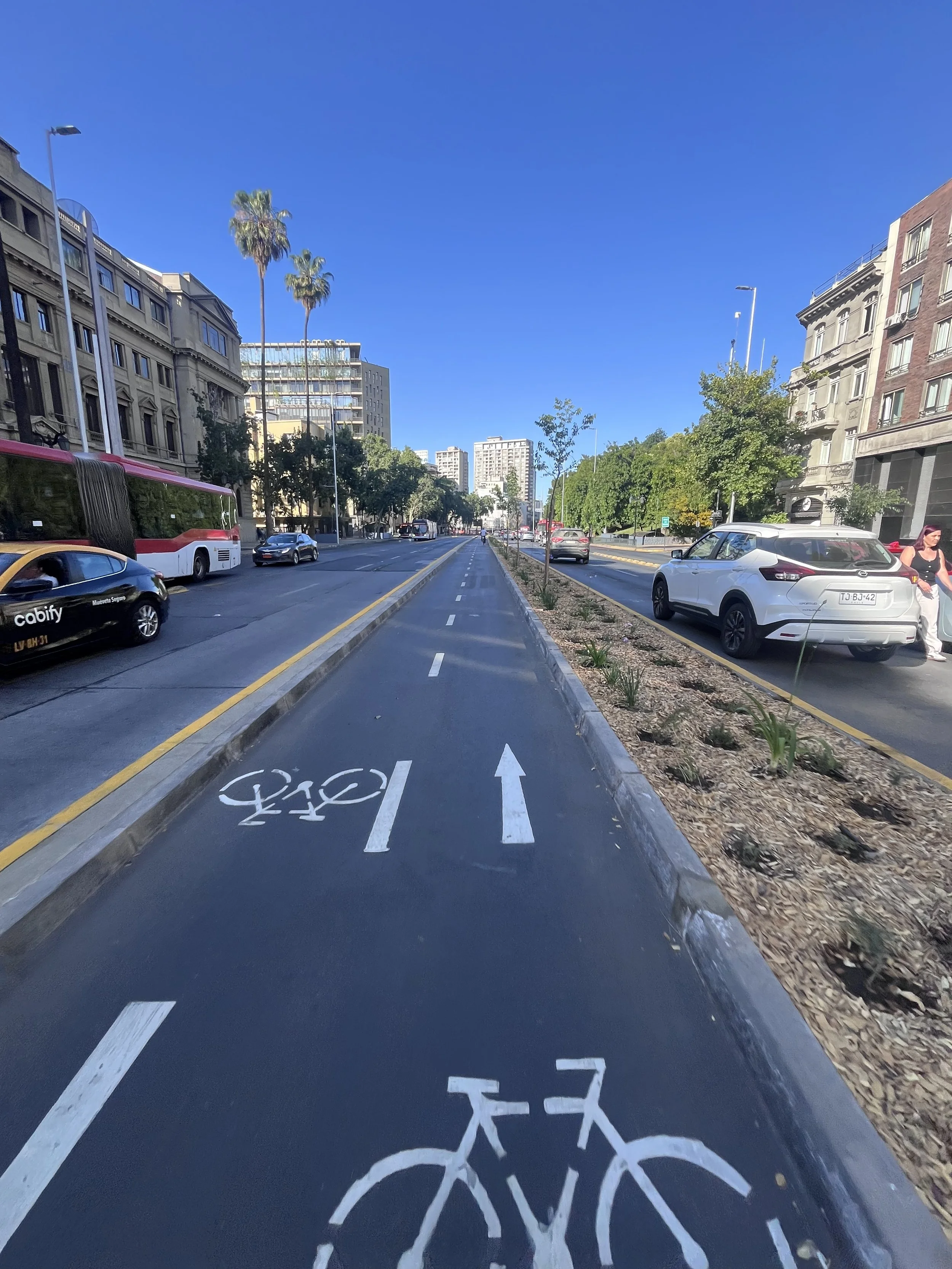
INFRAESTRUCTURA LARGO PLAZO 2025
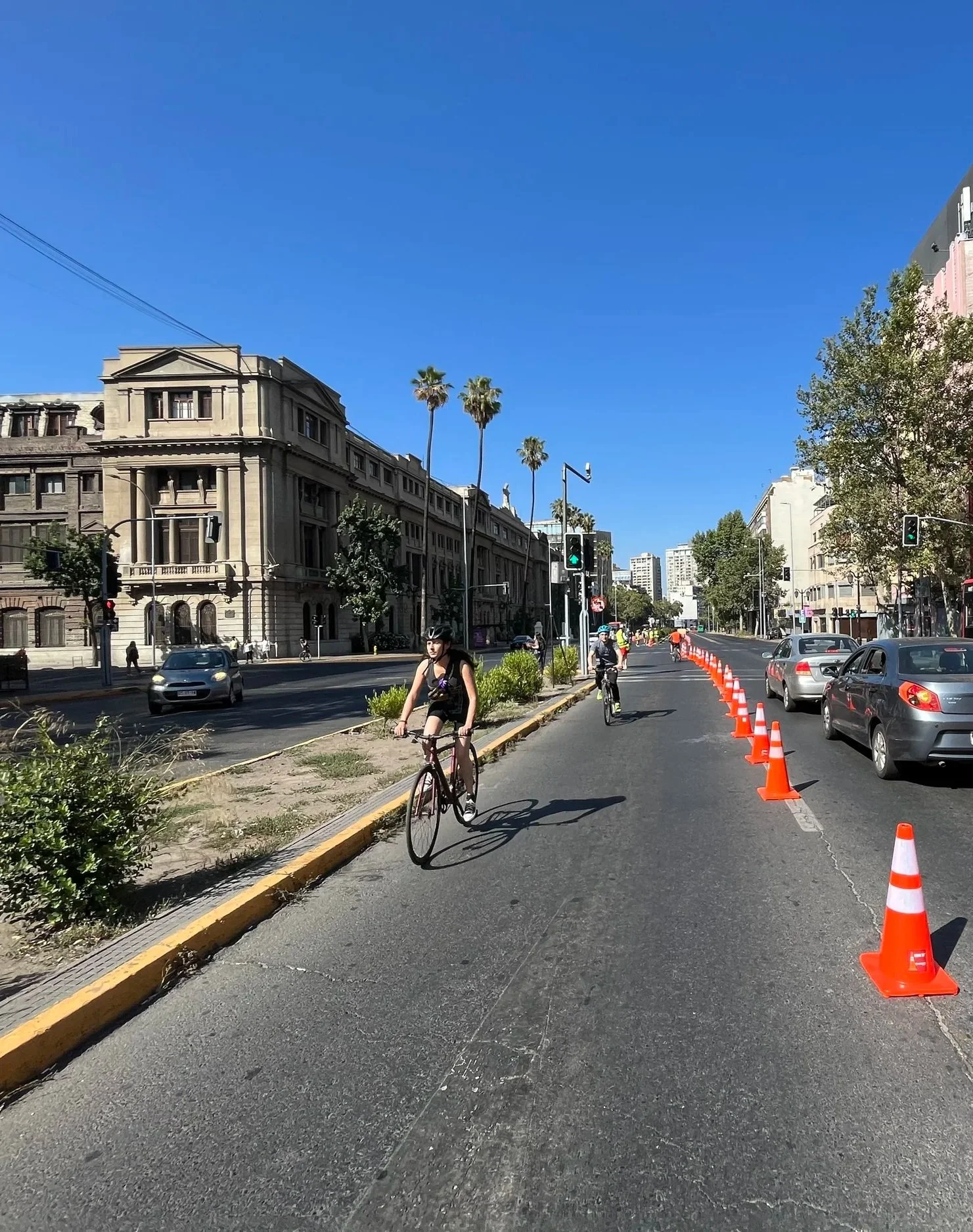
PILOTO TÁCTICO 2024
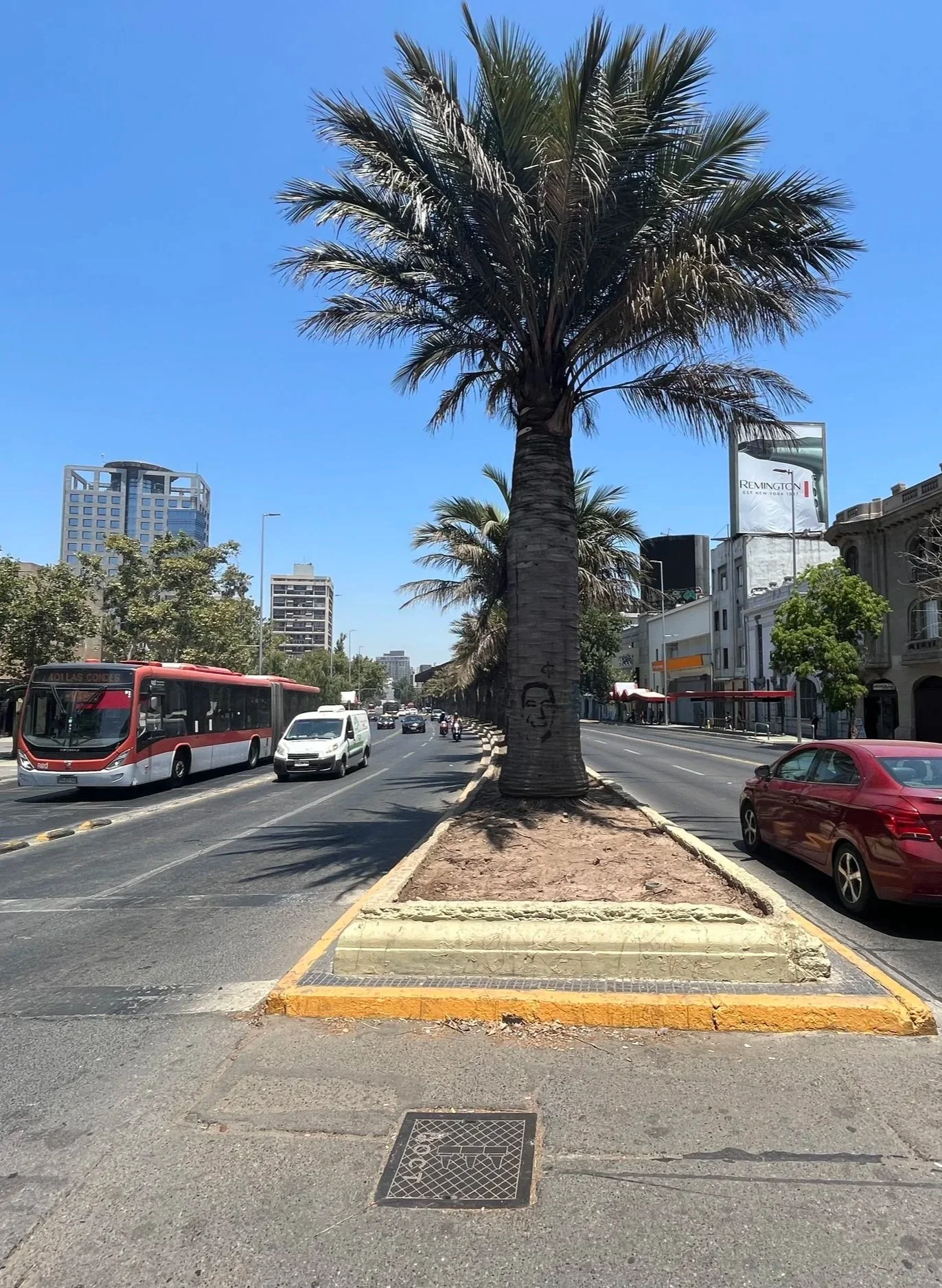
ALAMEDA 2023