Experimental Bike Lane: Eliodoro Yáñez
Agile validation and citizen participation for the transformation of strategic road axes.
Place
Santiago, Chile
Year
2019
Objectives
To test the technical and social feasibility of incorporating a high-flow bike lane into a road axis traditionally dominated by automobiles.
To validate design assumptions regarding effective demand, layout, and safety before making permanent investments.
To foster an inclusive and transparent debate, allowing authorities to make decisions based on real data and citizen perceptions.
To reduce road conflict by promoting a space for dialogue between pedestrians, cyclists, and drivers.
Methodology
The project consisted of a rapid infrastructure prototyping exercise, following Ciudad Emergente's methodology:
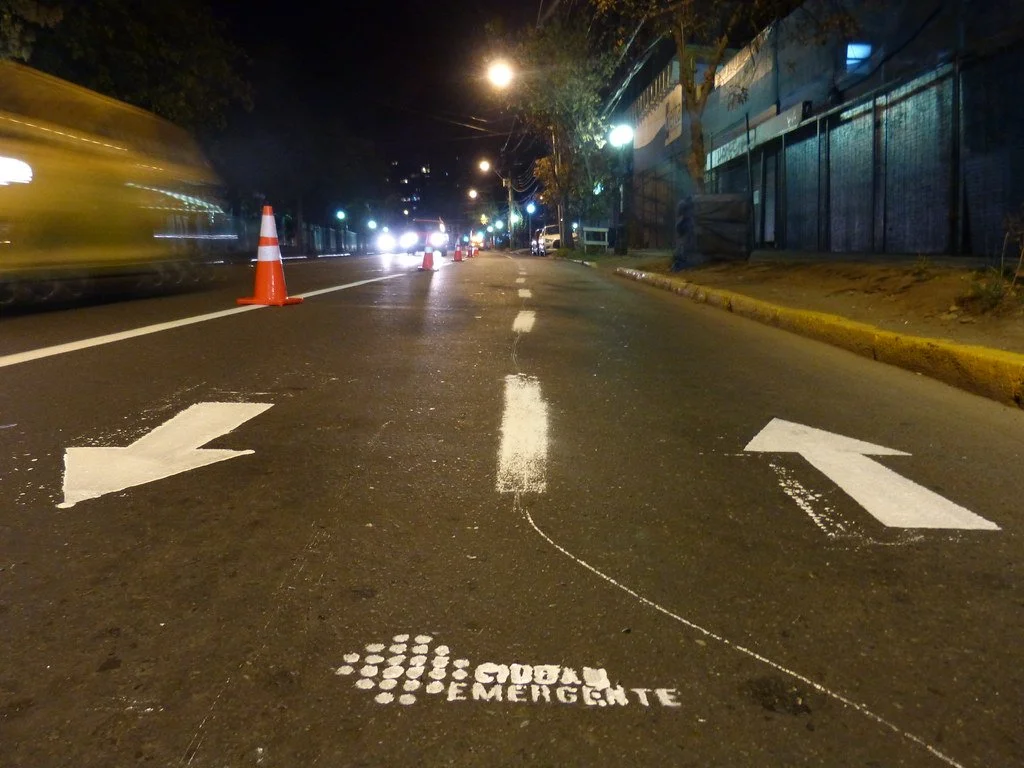
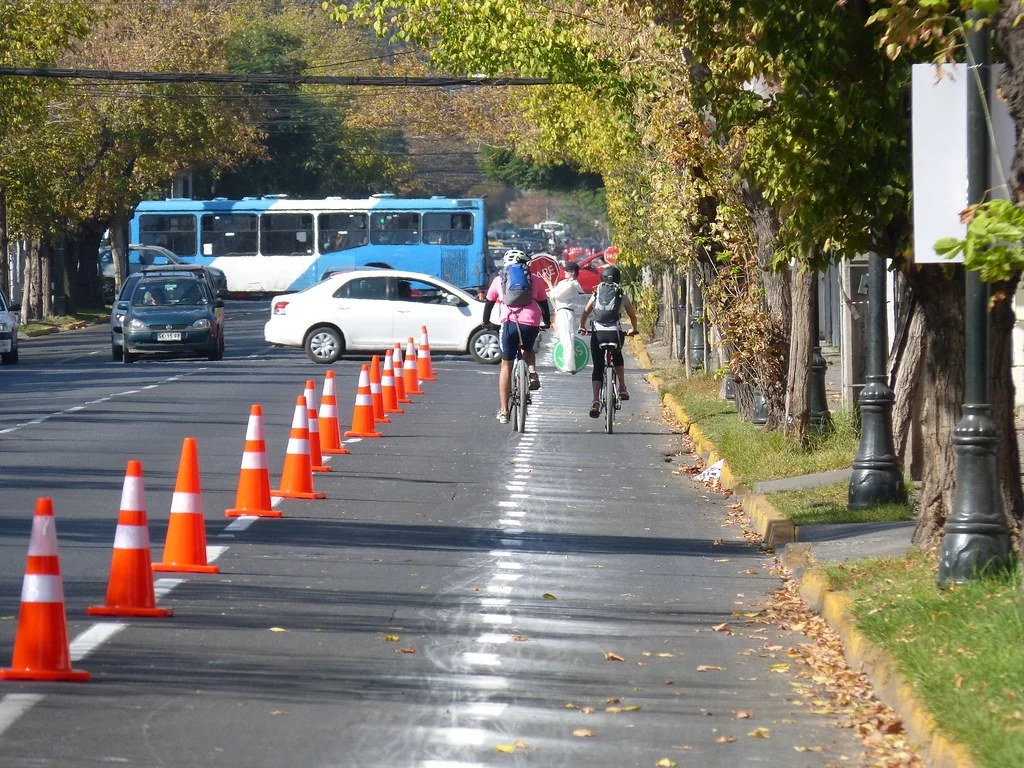
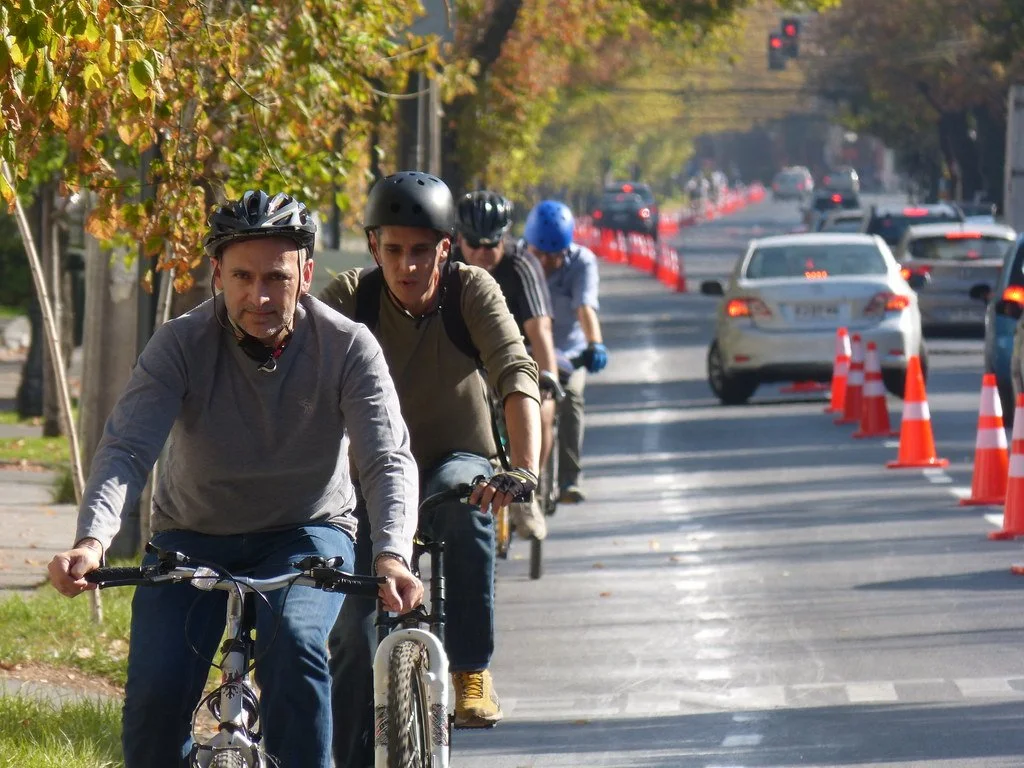
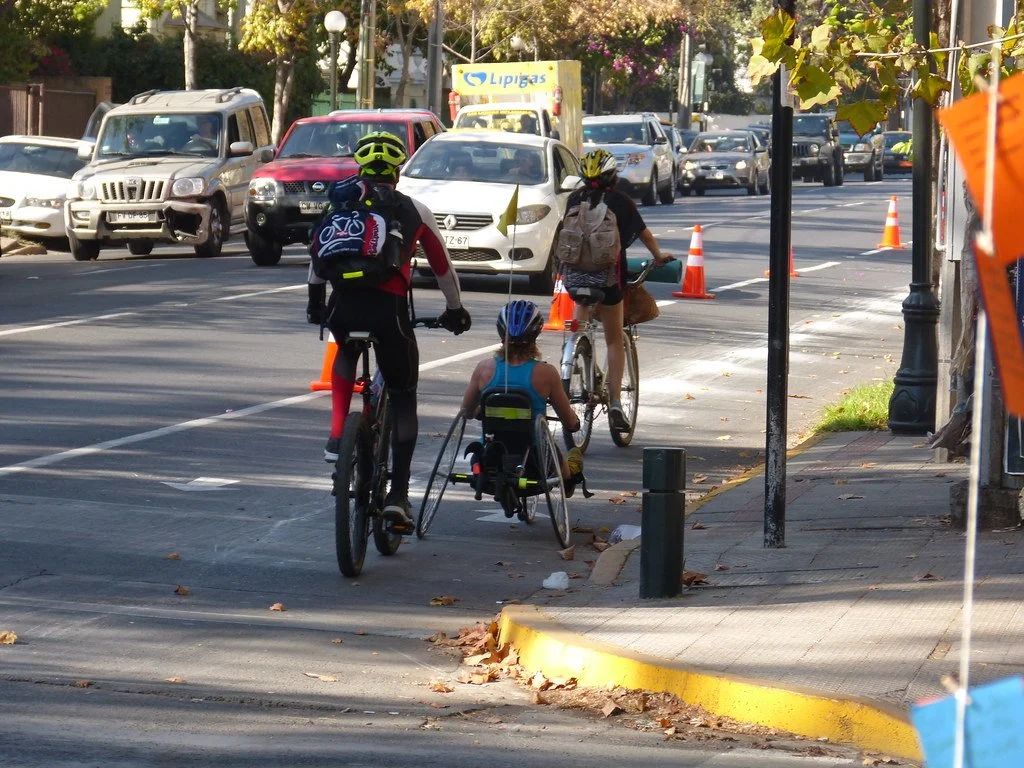
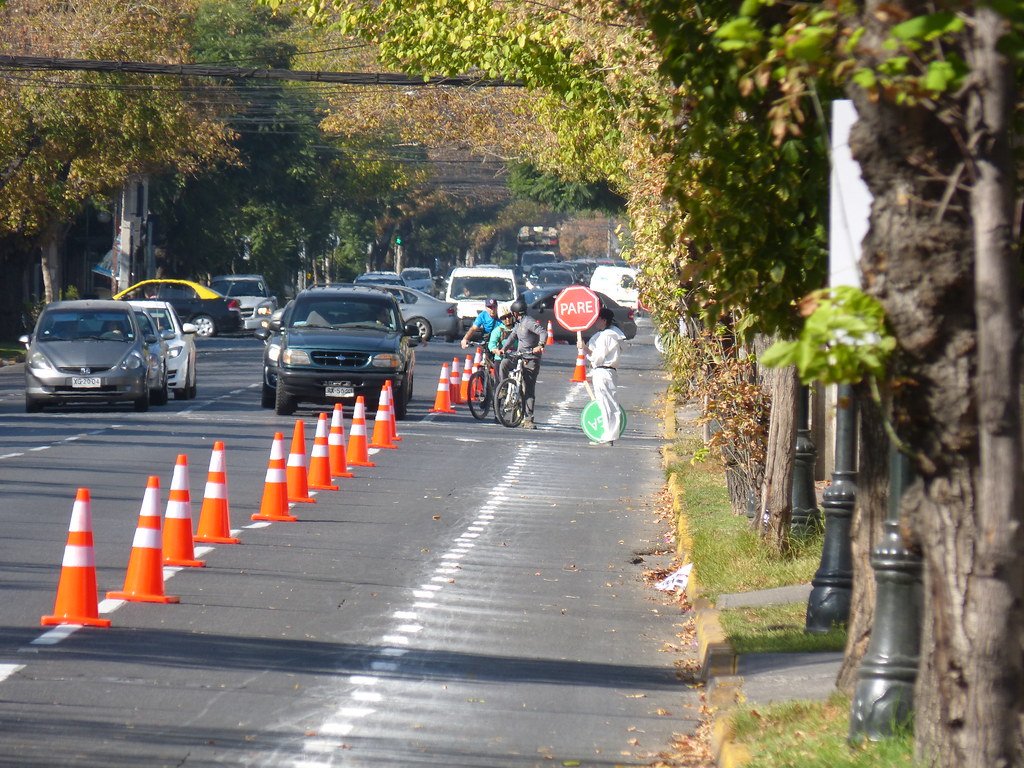
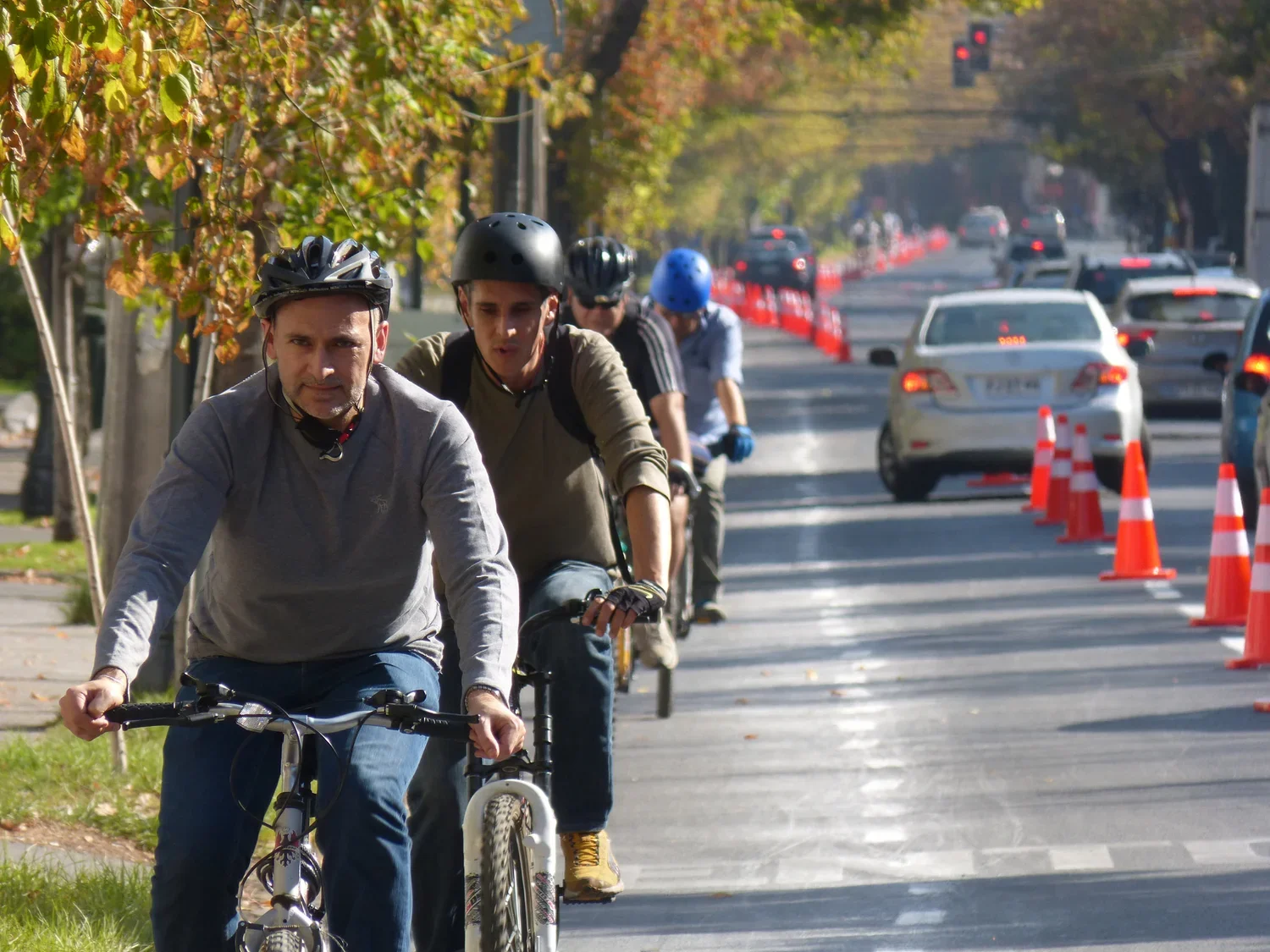
Short-Term Intervention: Over a weekend (April 18th and 19th), a tactical layout of a bike lane was implemented on Eliodoro Yáñez Avenue, using temporary signage and light segregation elements.
Live Data Lab: Road usage, travel times, and the behavior of different transport modes were measured under real operating conditions.
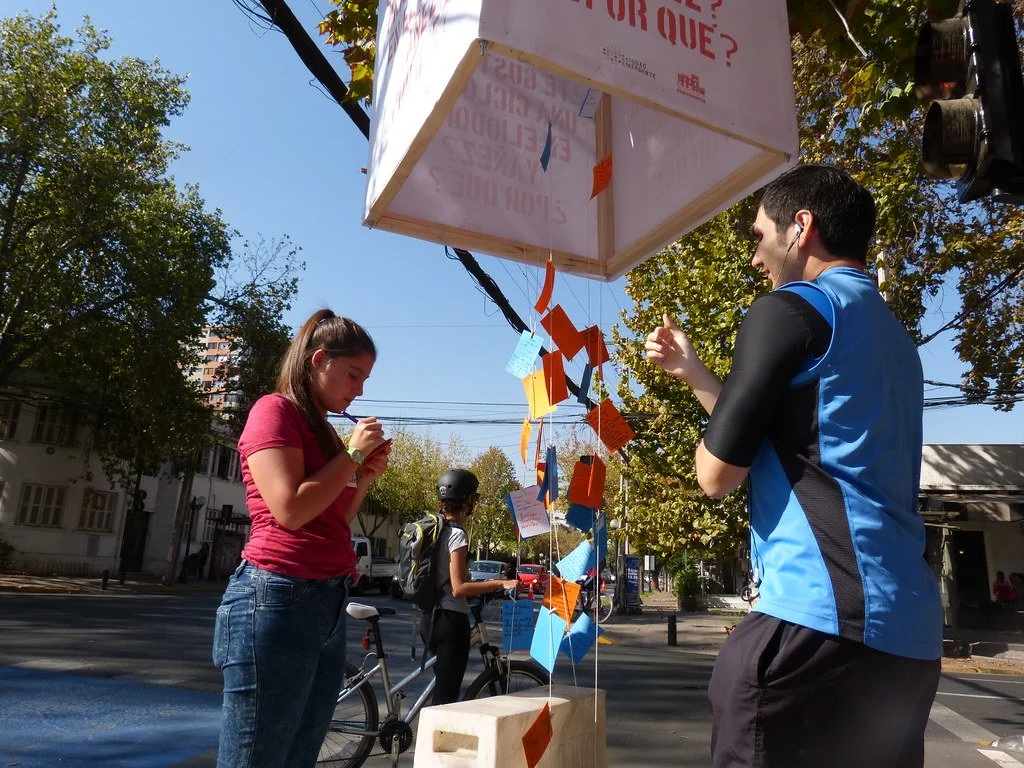
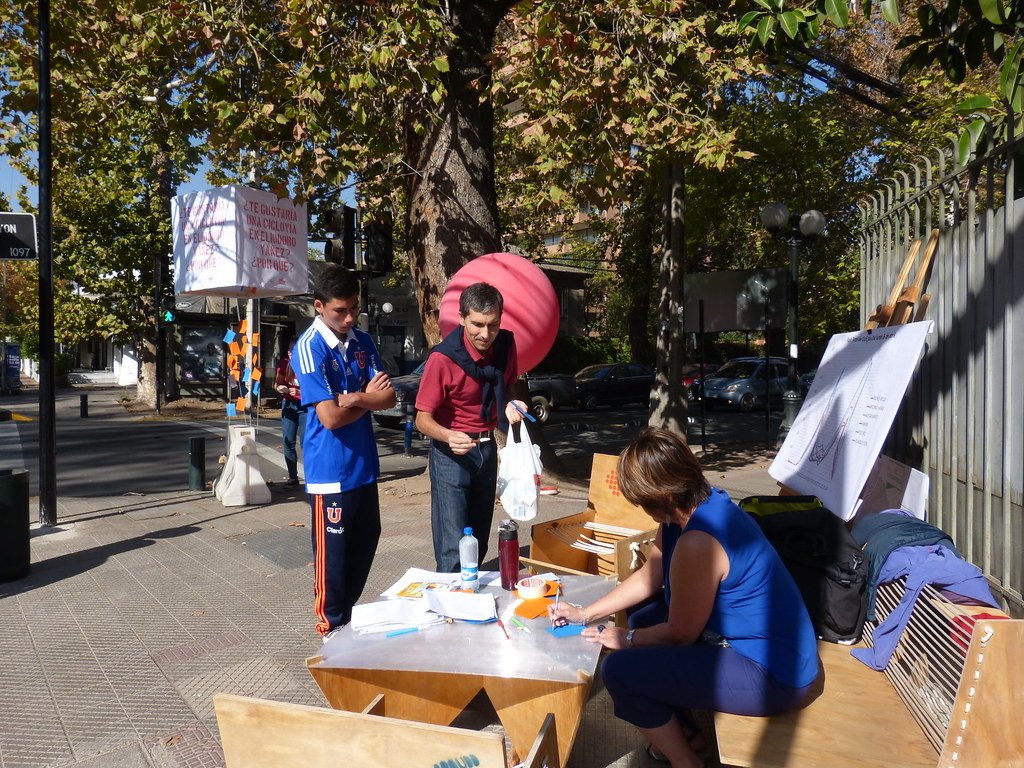
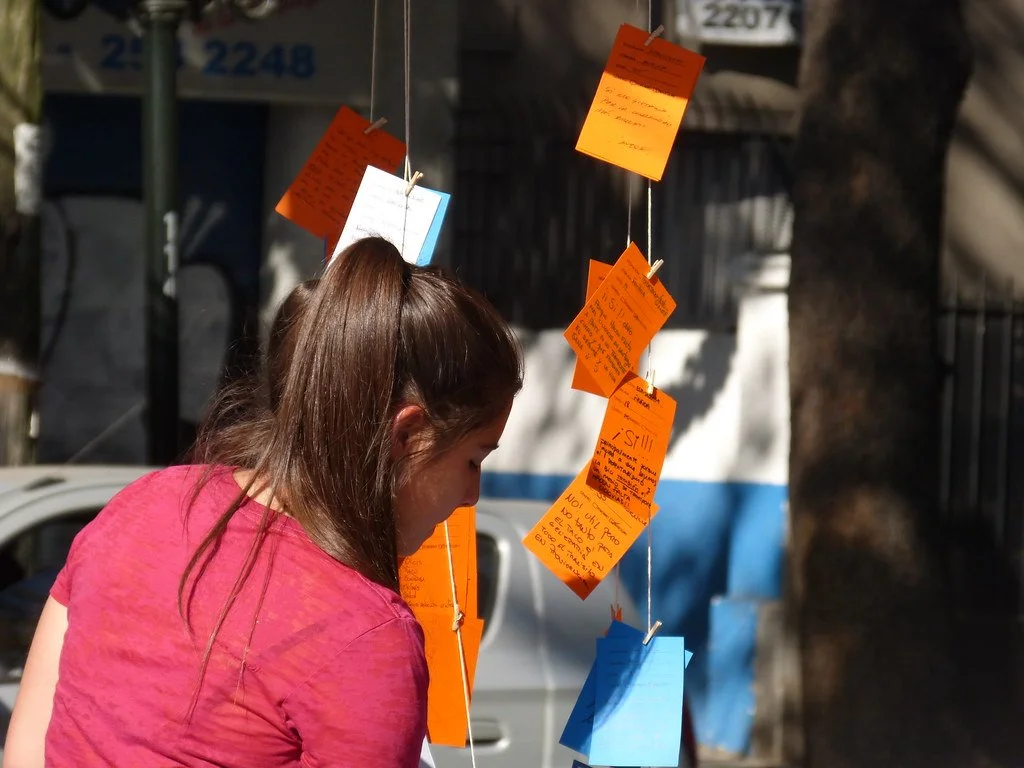
Active Citizen Participation: Instances were created to collect arguments and opinions from neighbors and users, turning the street into a space for building citizenship.
Information Transfer: The collected data was delivered to the municipal authority to inform the final design of the public transport policy.
Clients / Partners
Strategic Partnership: Municipality of Providencia and Ciudad Emergente Foundation (CEM).
Participants: Cycling organizations, Providencia residents, and users of the Eliodoro Yáñez axis.
Results & Impact
Investment Efficiency: Costly and erroneous implementations were avoided by adjusting the final design based on the behavior observed during the experiment.
Social Legitimacy: The process allowed for the collective addressing of "conflicting" opinions, achieving a greater consensus on the need for non-motorized transport infrastructure.
Impact on Public Policy: The pilot's success laid the foundation for the permanent implementation of the Eliodoro Yáñez bike lane, which is now a structural axis of Santiago's mobility network.
Institutional Strengthening: The bond between the municipal institution and the people was validated, demonstrating that citizens can be at the center of urban design.
Conclusiones
The Eliodoro Yáñez Experimental Bike Lane is a classic example of how "testing before investing" saves public resources and reduces social friction. Ciudad Emergente demonstrated that complex transport issues are not solved through engineering alone, but with social innovation and transparency. By opening a space for evidence-based debate, we successfully transformed a hostile street into a model for shared mobility, proving that tactical urbanism is the most powerful tool for accelerating long-term changes in the city.