Commercial Neighborhoods
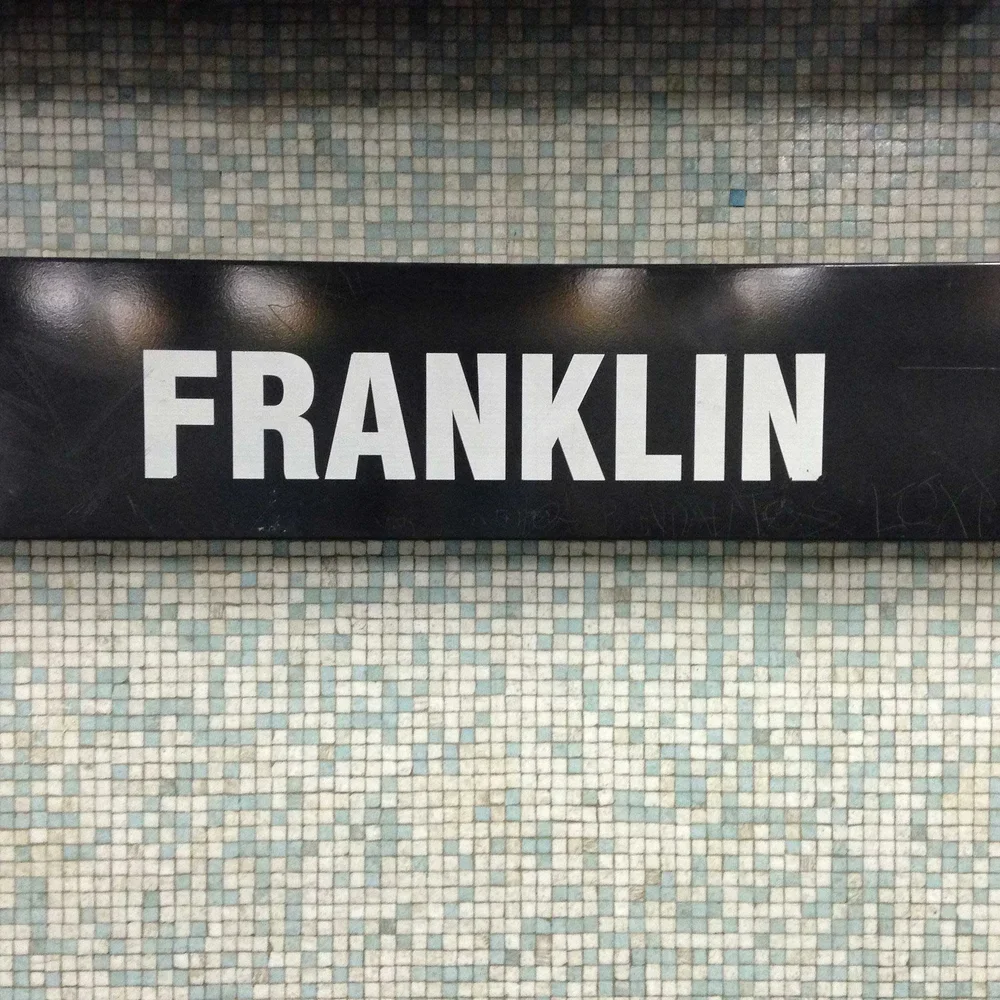
Economic revitalization and development of the Franklin Neighborhood through collaborative design.
Place
Santiago, Chile
Year(s)
2014-2016
Objectives
To boost the local economy of the iconic Franklin Neighborhood by revitalizing its public spaces.
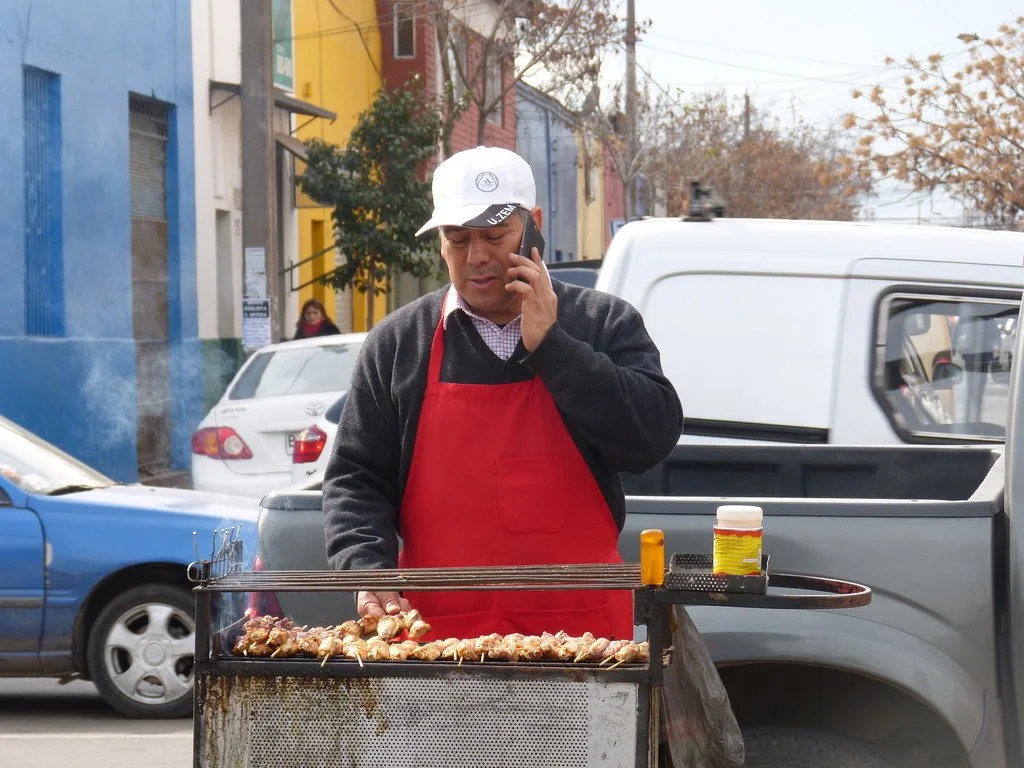
To strengthen social capital and collaboration networks among tenants, administrators, and the local culinary guild (cocinerías).
To inform long-term planning for the Franklin Neighborhood Master Plan driven by the Municipality of Santiago.
To test semi-permanent urban improvement strategies that increase comfort and attract visitors to the sector.
Methodology
The tactic was designed as a "triggering work" that combines academia with commercial reality:
Multi-stakeholder Articulation: Strategic coordination between the culinary guild, the Matadero Block administration, and municipal authorities.
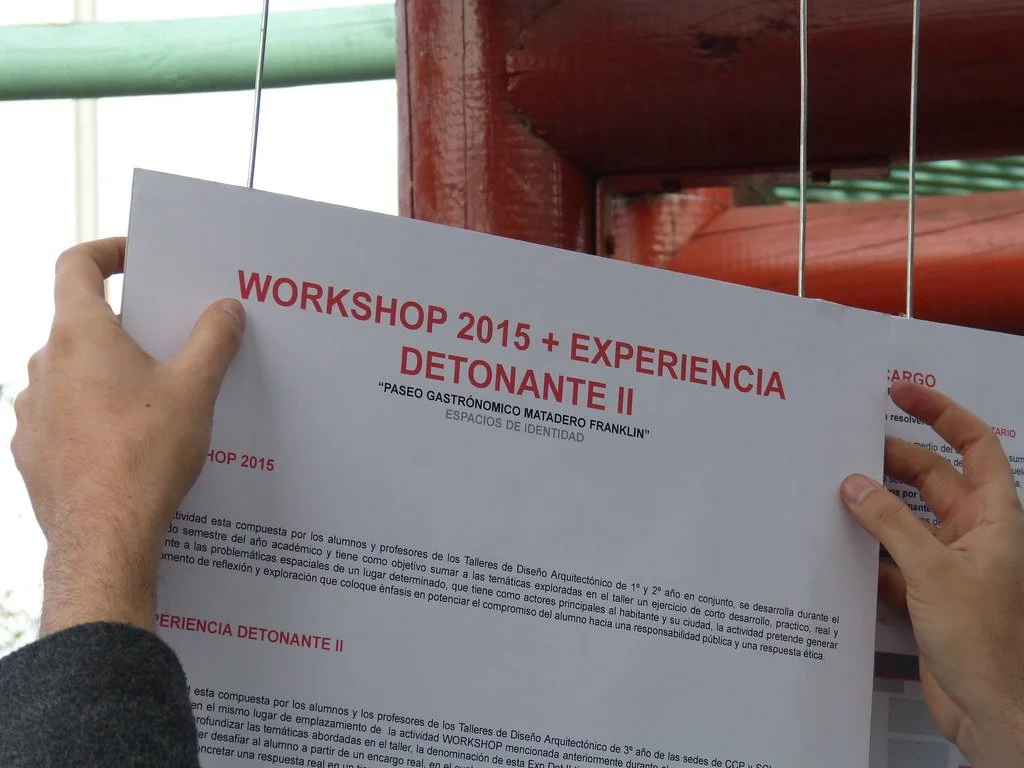
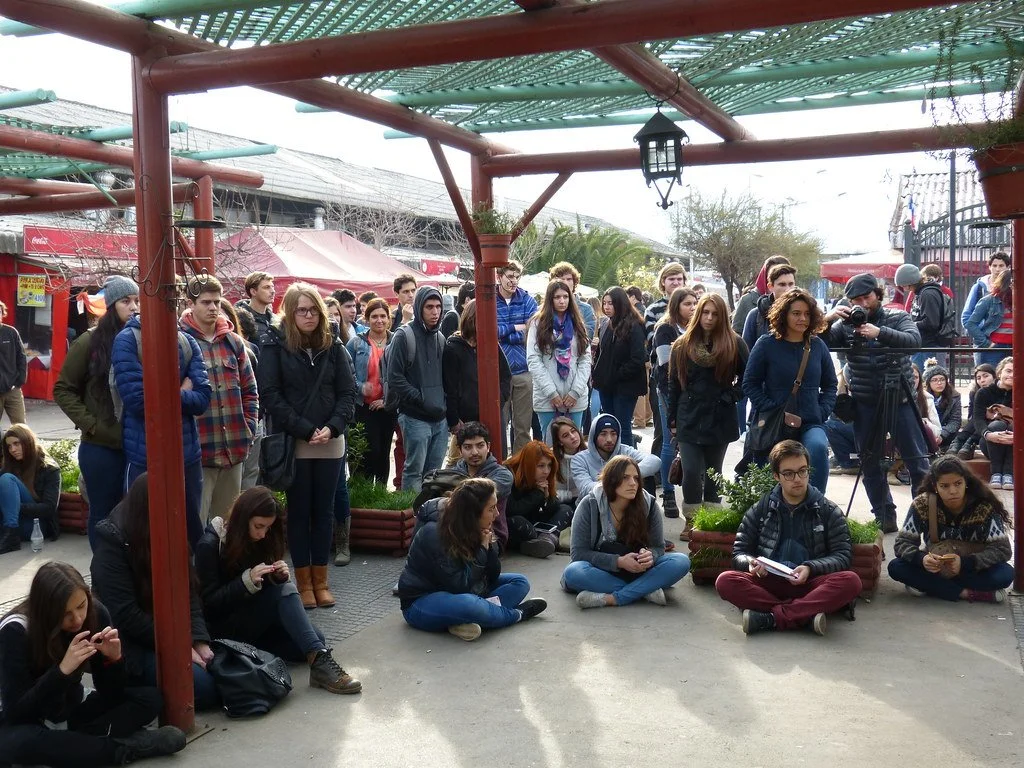
Architecture School Workshop: Collaboration with the Universidad del Desarrollo (UDD) to mobilize over 300 students in a collective construction day.
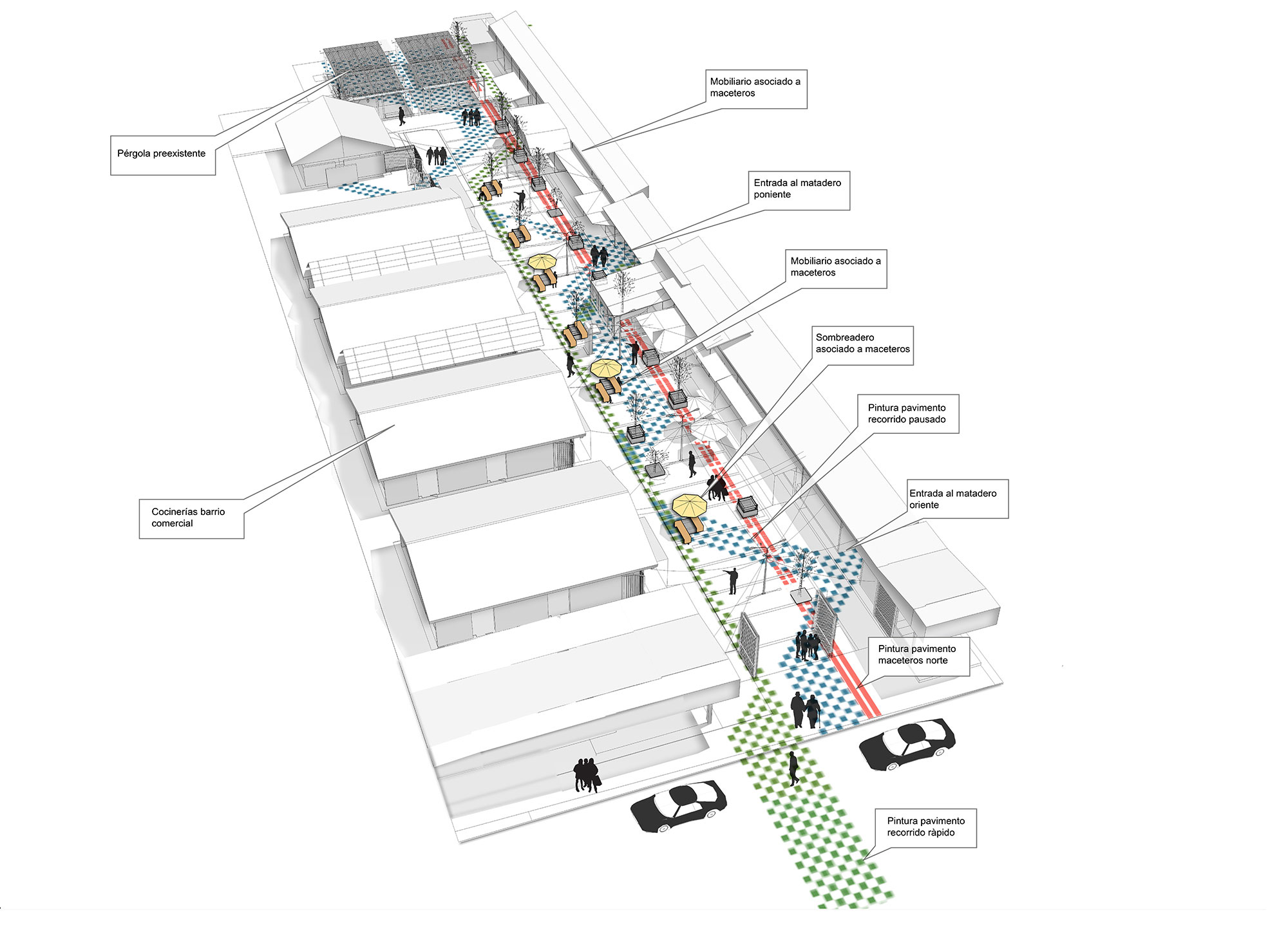
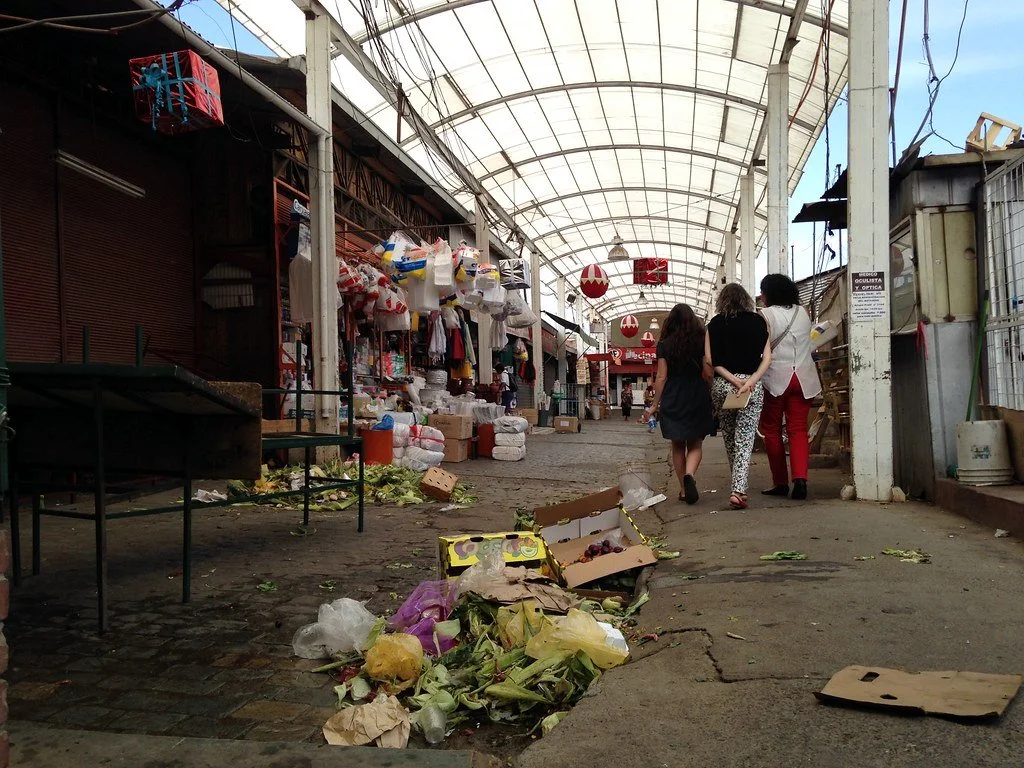
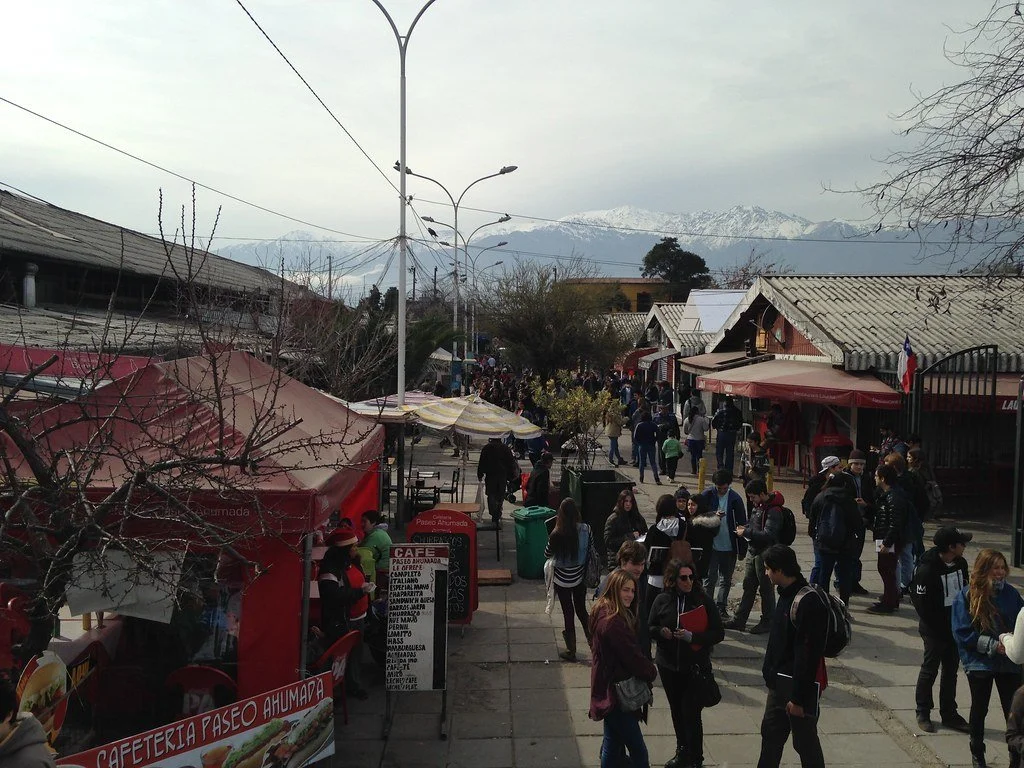
Short-Term Urban Improvement: Design and implementation of furniture and tactical signage to transform Paseo Matadero into a more livable and organized space.
Strategy Validation: Utilizing the intervention as a living laboratory to test which design solutions work best before making final investments.
Clients / Partners
Client: Ciudad Emergente (Self-initiated).
Strategic Partner: School of Architecture, Universidad del Desarrollo (UDD).
Alliances: Municipality of Santiago, Matadero Block Administration, and the Paseo Ahumada Culinary Guild.
Results & Impact
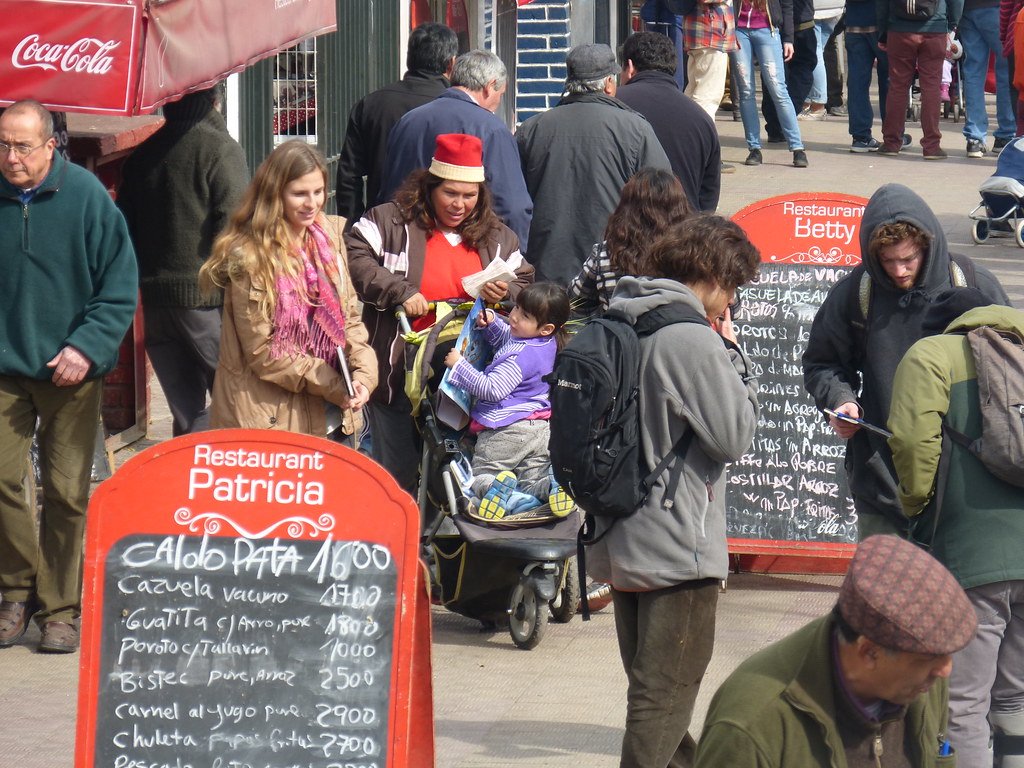
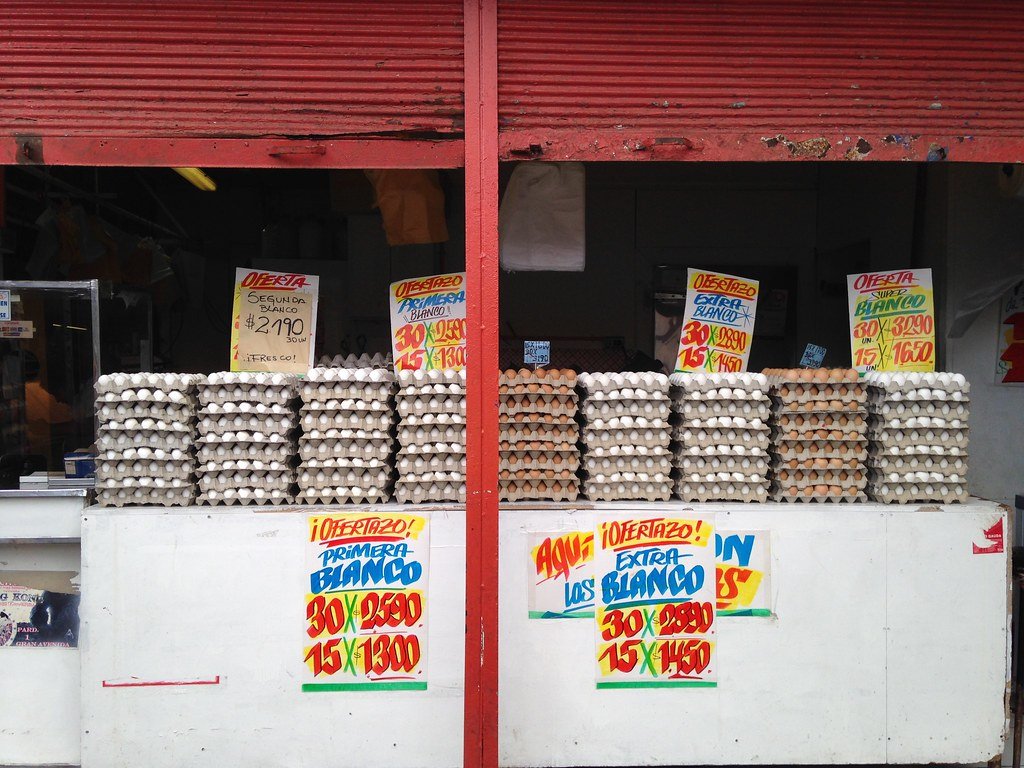
Commercial Axis Revitalization: Visual and functional transformation of Paseo Matadero, enhancing the shopping and dining experience for visitors.
Guild Strengthening: Consolidation of a working group among tenants that allowed for more coordinated management of their immediate environment.
Input for the Master Plan: The results and lessons learned from the tactic were delivered to the Municipality of Santiago as a technical basis for the neighborhood's future urban planning.
Academic Training with Real Impact: Integration of academia into critical urban challenges, generating tangible solutions for the city's commercial heritage.
Conclusions
The Paseo Matadero tactic demonstrates that urban design is a powerful tool for local economic development. By improving the public space where the culinary guilds operate, Ciudad Emergente not only beautifies the neighborhood but also dignifies the work of the local tenants and boosts the identity of one of Santiago's most traditional sectors. This project validates that collaboration between universities, guilds, and municipalities is the key to revitalizing commercial neighborhoods with soul, history, and future potential.